A loose shingle, drafty window, peeling siding, or overflowing gutter may look like separate problems. Often, they are connected. Exterior remodeling gives Connecticut homeowners a chance to address the parts of the home that work together to keep out water, control energy loss, and protect the structure beneath the surface.
The right project is not always the biggest project. A quality exterior plan starts with an honest look at what is failing, what can be repaired, and which upgrades will provide lasting value for your home. When roofing, siding, windows, doors, gutters, and decks are considered as one system, the result is a home that looks better and performs better through every season.
Start Exterior Remodeling With the Real Problem
Curb appeal matters, but protection should lead the decision. Connecticut homes face heavy rain, snow, ice, wind, humidity, and wide temperature swings. Small exterior failures can allow moisture into places it does not belong, leading to damaged sheathing, rot, mold concerns, insulation issues, and higher repair costs later.
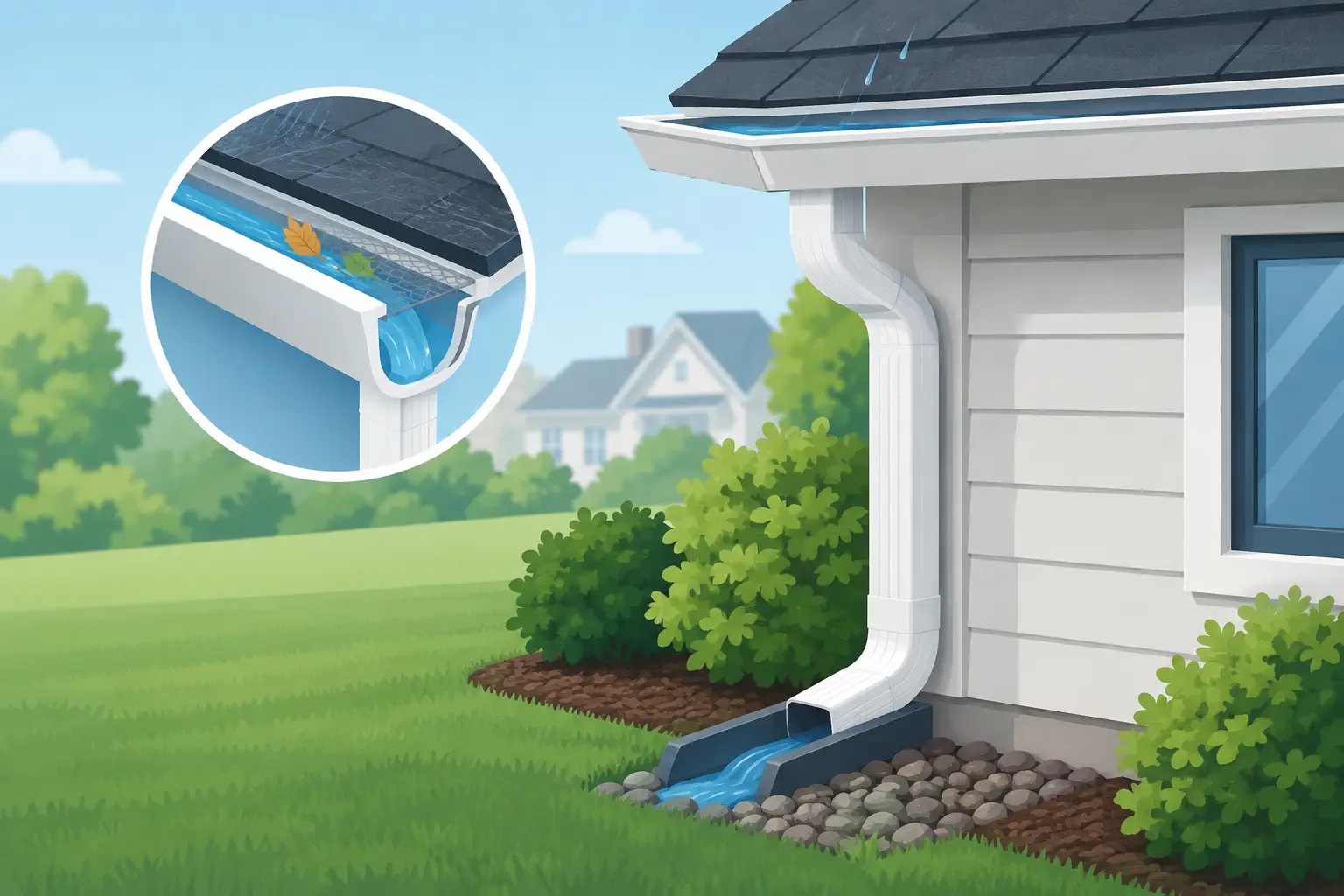
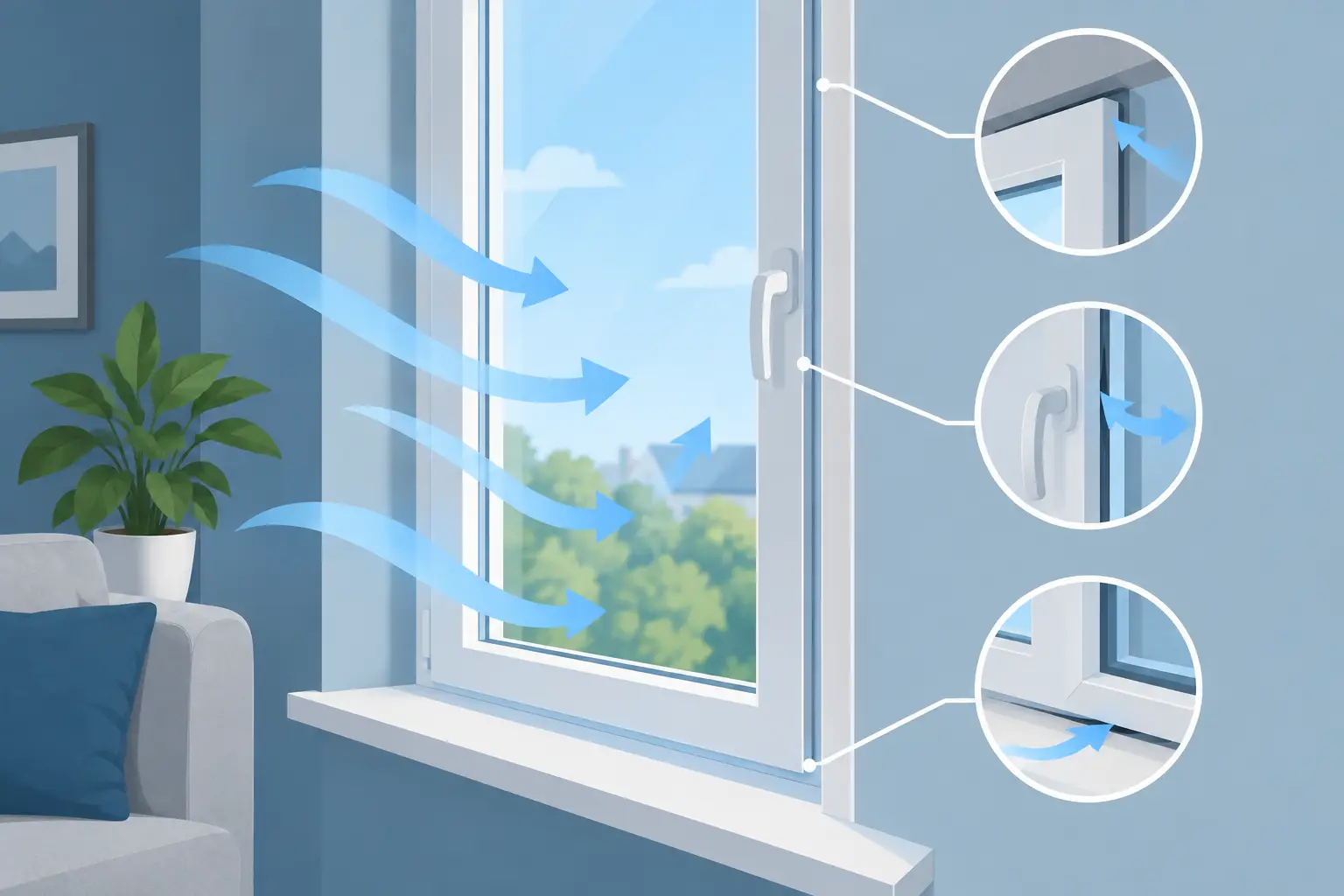
Look for signs that your home needs professional attention. Siding that is cracked, warped, loose, or repeatedly repainted may no longer be protecting the wall properly. Roof shingles that curl, lose granules, or show signs of leaking need prompt evaluation. Windows that feel cold, fog between panes, stick, or allow noticeable drafts can affect comfort and energy use. Gutters that sag, overflow, or pull away from the roofline can send water toward the foundation instead of away from it.
A deck also deserves a close inspection. Soft boards, loose railings, unstable stairs, and deteriorating framing are more than cosmetic concerns. Some deck issues can be repaired, while widespread material failure may make replacement the safer and more cost-effective choice.
The key is identifying the source of the problem before selecting a product or setting a budget. Replacing a section of siding without correcting flashing or gutter drainage, for example, can leave the underlying issue in place. An experienced exterior contractor can assess how the different components of your home are performing together.
Decide What to Repair and What to Replace
Repair is often the right answer when damage is isolated and the existing system still has useful life remaining. A localized roof repair, a small section of damaged siding, or a gutter adjustment may protect your home without requiring a full replacement.
Replacement becomes the stronger investment when problems are widespread, recurring, or tied to age. If you are paying for repeated repairs, dealing with ongoing leaks, or seeing deterioration across multiple areas, a replacement project can offer better long-term value. New materials also create an opportunity to improve energy efficiency, durability, and appearance at the same time.
There are trade-offs to consider. Repair generally costs less upfront, but it may not solve underlying wear throughout an older system. Replacement requires a larger initial investment, yet it can reduce maintenance needs and provide more dependable protection for years. The right choice depends on the condition of the home, your plans for the property, and the quality of the existing installation.
A reliable contractor should explain those options clearly rather than pushing a replacement when a repair will do. Homeowners deserve a straightforward recommendation based on the condition of the home and the work needed to protect it.
Prioritize the Parts of the Home That Work Together
Exterior projects are easier to manage and often more effective when they are planned in the right order. Roofing and water management typically come first because they protect everything below. A failing roof, damaged flashing, or ineffective gutter system can compromise siding, trim, windows, and the structure behind them.
Once the roof and drainage are addressed, siding, windows, and doors can be evaluated together. New siding installation may require trim work around windows and doors, so combining projects can create a cleaner finished appearance and reduce the chance of disturbing completed work later. It can also help ensure that flashing, seals, and exterior details are installed correctly across the full wall system.
Deck replacement or repair can be scheduled around the same exterior plan, especially when it connects to siding, exterior doors, or drainage areas. This does not mean every homeowner needs to replace everything at once. Phasing work is a practical option when the budget calls for it. The important part is having a plan that prevents one project from creating avoidable work for the next.
Choose Materials for Connecticut Weather and Your Goals
The best material is not simply the one with the highest price tag. It should match your home, maintenance preferences, budget, and performance needs.
For siding, many homeowners want a durable, low-maintenance finish that can handle moisture and seasonal changes while improving curb appeal. The right siding choice should also be installed with proper weather protection, trim, and flashing. Quality installation matters as much as the material itself.
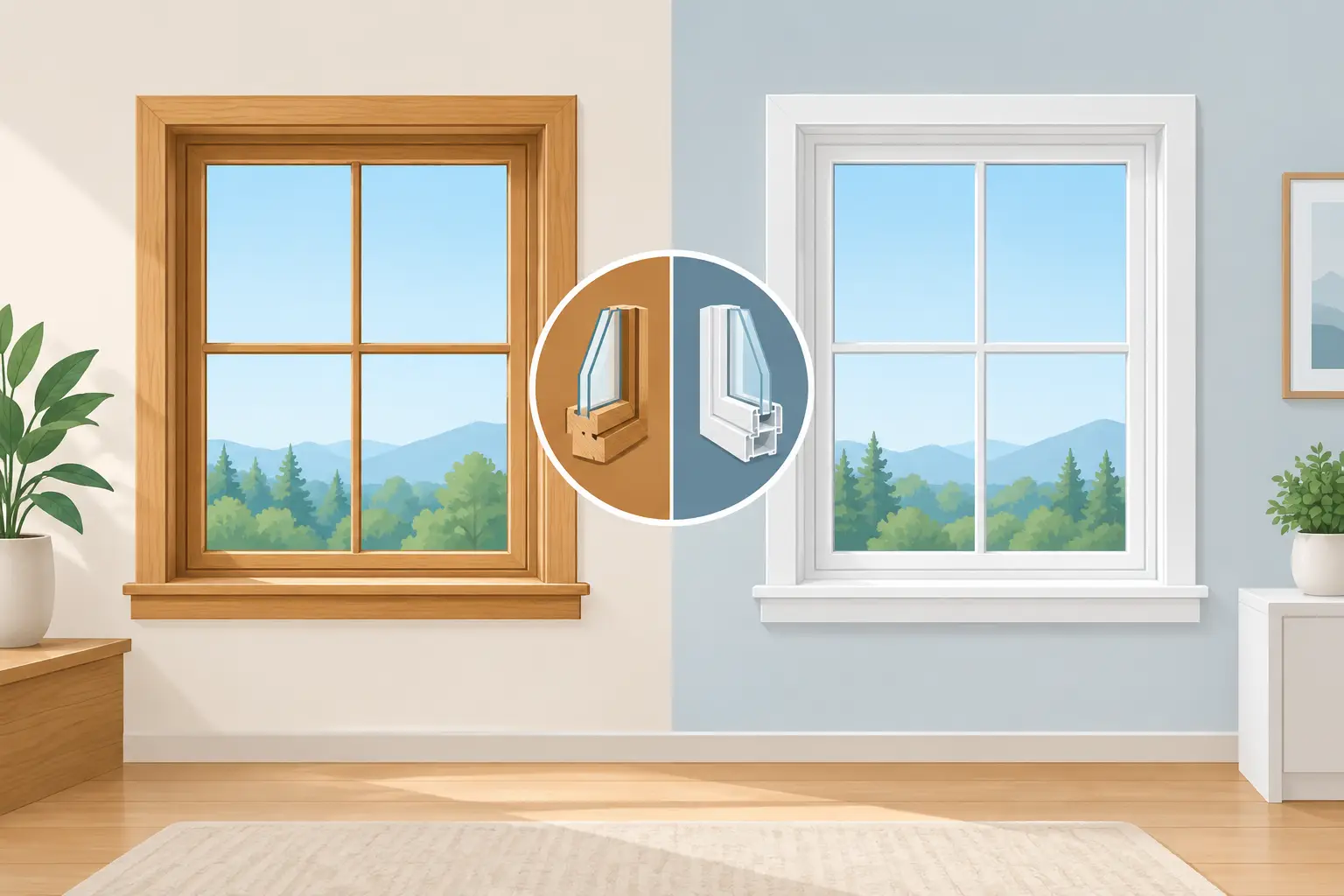
For windows and doors, focus on fit, insulation performance, weather sealing, and dependable operation. Efficient replacement windows and doors can help reduce drafts and make living spaces more comfortable. However, energy savings vary based on the age of the existing units, home insulation, heating system, and installation quality. A well-made product will not perform as intended if it is installed poorly.
Roofing materials should be selected for dependable weather resistance, ventilation needs, and the style of the home. Gutters should be properly sized, securely installed, and directed to move water away from the foundation. On decks, material choices come down to appearance, maintenance expectations, and how the space will be used by your family.
Premium products are worth considering when they provide a clear benefit in durability, efficiency, or long-term maintenance. But the most expensive option is not automatically the best choice. A professional quote should help you compare practical options and understand where your investment is going.
What a Professional Exterior Remodeling Project Should Include
Homeowners should expect clear communication before work begins. A thorough estimate should define the scope of the project, the materials being used, the work being performed, and any conditions that could affect the final plan. This helps prevent misunderstandings and gives you a realistic view of the project timeline.
During installation, professional crews should protect the work area, follow manufacturer requirements, and pay close attention to the details that keep water out. This includes flashing, transitions, trim, caulking where appropriate, ventilation considerations, and secure fastening. These details may not be the first things visitors notice, but they are often what determine whether an exterior upgrade lasts.
Timeliness matters, especially when a home is exposed to the weather. A contractor should have the experience and crew capacity to keep the work moving while maintaining quality. Fast service should never mean rushed installation. The goal is efficient, organized work completed to a professional standard.
Before the project is finished, the contractor should walk through the completed work with you, answer questions, and make sure the site is clean. That final review gives homeowners confidence that the project was completed properly and that the new exterior is ready to do its job.
Plan Your Budget Around Protection and Value
Exterior remodeling costs vary based on the size of the home, material choices, accessibility, existing damage, and the amount of detail required. A simple replacement on a straightforward home will not cost the same as a project involving structural repairs, complex rooflines, custom trim, or multiple exterior systems.
Rather than choosing solely on the lowest quote, compare what each contractor is including. A lower price may leave out necessary preparation, disposal, flashing, trim, or other important installation details. A reasonable price should reflect quality materials, trained installation crews, proper workmanship, and a clear scope of work.
If several areas of your exterior need attention, ask about completing related work together. Combining siding, windows, doors, gutters, roofing, or deck work can sometimes reduce duplication and create a more coordinated result. In other cases, a phased approach is more practical. A professional contractor can help you prioritize urgent protection needs first and plan future improvements with confidence.
For Connecticut homeowners, the best exterior project is one that solves the problem in front of you while preparing the home for the seasons ahead. Siding Unlimited CT brings more than 20 years of exterior renovation experience to that work, with certified crews, quality products, and a straightforward approach to service. Start with a professional evaluation and a clear quote, then make the improvements that will keep your home protected, comfortable, and ready for the years ahead.
Share this post