A window replacement should solve more than a draft. It should improve comfort, protect your home from Connecticut weather, and look right from the curb. When comparing wood windows versus vinyl windows, homeowners are usually balancing two priorities: the lasting character of real wood and the lower-maintenance value of vinyl.
Neither material is automatically the best choice for every home. Your existing architecture, budget, exposure to sun and moisture, energy goals, and long-term maintenance expectations all matter. The right answer is the one that delivers dependable performance for your home without creating costs or upkeep you did not plan for.
Wood Windows Versus Vinyl Windows: The Main Difference
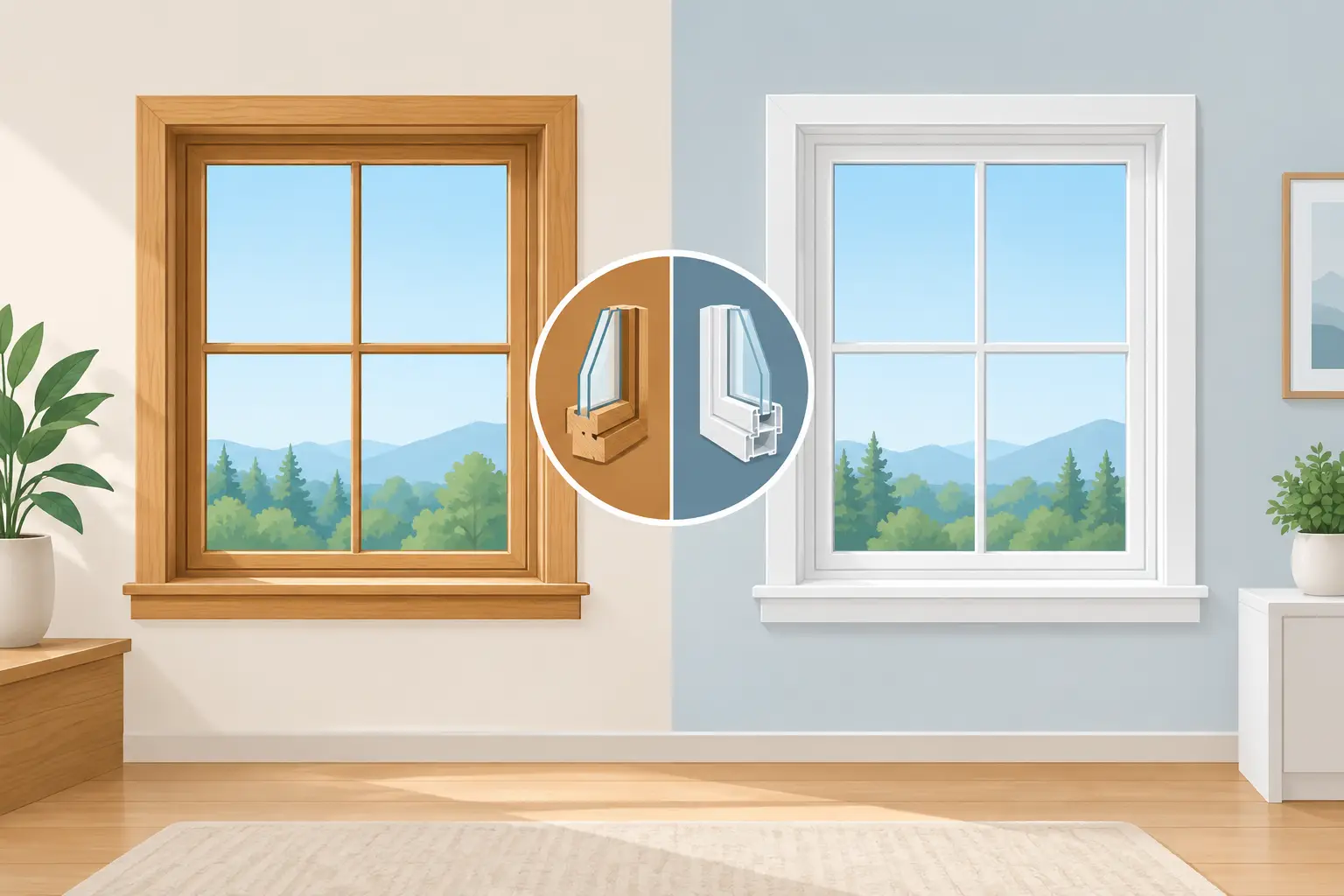
Wood windows are built with natural wood frames, often protected with exterior cladding, paint, or stain. They have long been a preferred choice for traditional homes because they offer warmth, detail, and design flexibility that manufactured materials cannot fully duplicate.
Vinyl windows use frames made from PVC. They are popular for replacement projects because they are affordable, energy-efficient, resistant to rot, and require very little maintenance. Modern vinyl windows are available in several colors and styles, although they still have more design limitations than wood.
The decision often comes down to this: wood offers premium appearance and customization, while vinyl offers practical durability and easier ownership.
Appearance and Fit for Your Home
For historic homes, Colonials, Capes, and other traditional Connecticut properties, wood windows can be the stronger visual match. Wood can be painted or stained, shaped into detailed profiles, and built to suit uncommon opening sizes. If your home has original divided-light windows or interior wood trim you want to preserve, wood may provide a more authentic result.
Vinyl windows have improved substantially in appearance, but their frame profiles are generally thicker and their finish options are more limited. White, beige, and a few darker colors are common. A quality vinyl replacement window can look clean and attractive on many homes, especially ranches, split-levels, and newer construction, but it may not reproduce the fine proportions of older wood windows.
This does not mean vinyl is a poor-looking option. It means the material should fit the house. A straightforward replacement on a practical family home may benefit more from vinyl’s value than from wood’s added design flexibility.
Paint and Color Flexibility
Wood gives homeowners more room to change the look of their home over time. You can repaint a wood frame when updating exterior colors or refresh an interior stain finish. That flexibility can be valuable when you are coordinating windows with new siding, doors, or trim.
Vinyl is typically sold in a factory-applied color. Painting it is possible in some situations, but it is not always recommended and may affect warranty coverage or performance if the wrong paint color is used. Dark colors can absorb heat, which may cause excessive expansion in certain vinyl frames.
Maintenance and Weather Resistance
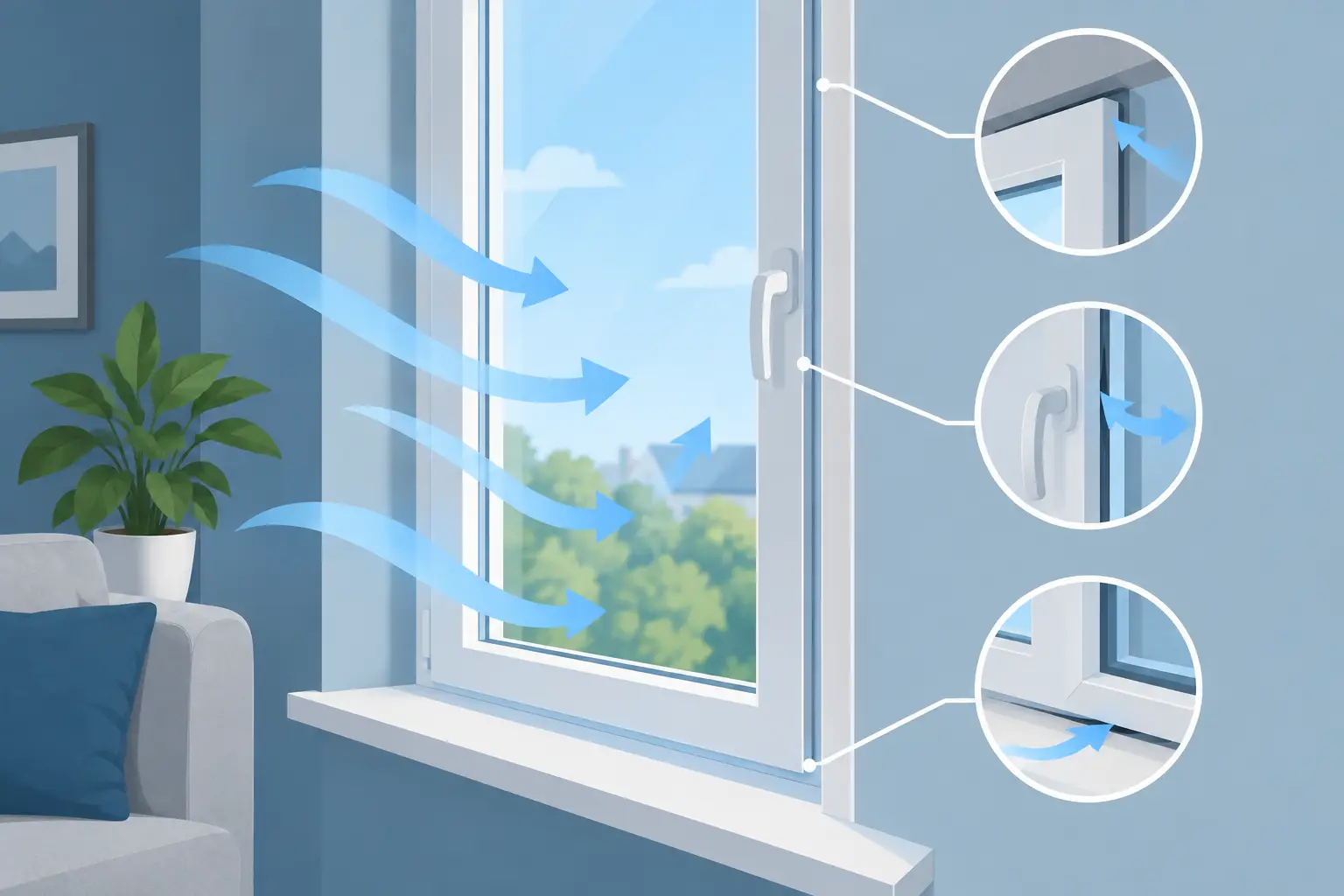
Connecticut homes deal with humid summers, snow, freeze-thaw cycles, wind-driven rain, and changing temperatures. Window material matters, but professional installation and proper flashing are just as important in keeping water and air where they belong.
Wood requires regular attention. Painted wood frames need to be inspected for peeling paint, failing caulk, soft spots, and moisture damage. If water reaches unprotected wood, it can lead to rot, swelling, or insect damage. Homeowners who stay ahead of maintenance can keep wood windows in excellent condition for many years. Those who prefer not to repaint, caulk, or monitor exterior finishes may find that responsibility frustrating.
Vinyl is highly resistant to rot and does not need painting. Routine cleaning with mild soap and water is usually enough to maintain its appearance. This makes vinyl especially appealing for busy homeowners who want a reliable replacement window with minimal ongoing work.
However, vinyl is not maintenance-free in every sense. Tracks and weep holes still need to be kept clear, weatherstripping should be checked, and glass and screens need regular cleaning. Vinyl can also expand and contract with temperature changes, which is why product quality and correct installation are essential.
Energy Efficiency Depends on the Whole Window
Many homeowners assume vinyl is always more energy-efficient than wood. In reality, both can perform well when paired with quality insulated glass, low-emissivity coatings, appropriate spacers, and a properly sealed installation.
Wood is naturally a good insulator. A well-built wood window can provide strong thermal performance, particularly when it includes modern double-pane or triple-pane glass. The concern is not the insulating value of wood itself. The concern is maintaining the exterior finish and preventing moisture damage that can compromise the frame over time.
Vinyl frames also offer good insulating performance and do not conduct heat as readily as metal frames. Multi-chamber vinyl designs can improve thermal resistance, and quality vinyl replacement windows often provide very good value for homeowners looking to reduce drafts and improve comfort.
Look beyond the frame material when reviewing proposals. The glass package, air infiltration rating, U-factor, solar heat gain, and installation method all affect real-world results. A premium window installed poorly can still leak air and water. A carefully installed, well-matched window provides the performance your home needs.
Cost: Upfront Price and Long-Term Value
Vinyl is usually the lower-cost option at installation. It gives homeowners a dependable replacement window at a reasonable price, particularly when replacing multiple windows throughout the home. Lower maintenance also helps keep future ownership costs predictable.
Wood windows usually cost more because of the material, craftsmanship, finishing, and customization involved. If the windows are clad on the exterior, the price can rise further, though cladding reduces exterior maintenance while retaining a wood interior.
The better value is not always the least expensive window. If a wood window protects the architectural character of a high-value historic home, the additional investment may be worthwhile. If you are replacing aging windows in a home where low maintenance, strong efficiency, and sensible pricing are the priorities, vinyl may be the better return.
It also helps to consider how long you expect to stay in the home. A homeowner planning to remain for decades may place more value on a premium interior finish or the ability to repaint wood. Someone preparing to sell or seeking a practical whole-home upgrade may prefer vinyl’s cost control and easy care.
Durability and Expected Service Life
A quality vinyl window can provide many years of dependable service, especially when installed square, level, sealed correctly, and protected from unusual stress. Vinyl will not rot, but extreme heat, impact, or poor manufacturing can cause warping, discoloration, or operational issues over time.
Wood can last for generations, but only when it is protected from water. Original wood windows on older Connecticut homes are proof that the material can endure. They have also usually needed regular repainting, repairs, and careful maintenance along the way.
For homeowners who like the appearance of wood but want better exterior durability, wood windows with aluminum or fiberglass cladding may be worth considering. They cost more than standard vinyl, but they reduce the exterior upkeep associated with exposed wood.
How to Choose the Right Replacement Window
Choose wood when architectural authenticity, interior warmth, custom sizing, and paint or stain flexibility are central to the project. It is a strong fit for historic properties and homeowners willing to protect their investment with regular maintenance.
Choose vinyl when you want an efficient, durable, low-maintenance window at a more accessible price. It is often the practical choice for whole-home replacements where dependable performance and long-term value matter most.
Before making a final decision, have the existing openings inspected. Hidden rot around the sill, damaged trim, poor drainage, or failed insulation may need to be addressed during replacement. The best window will not perform as intended if the surrounding opening is not repaired and sealed correctly.
An experienced contractor can help you compare window styles, glass options, frame materials, and installation details based on your home rather than a one-size-fits-all recommendation. Siding Unlimited CT provides professional window replacement with the same attention to craftsmanship, efficiency, and reliable scheduling homeowners expect from an exterior renovation partner.
A good replacement window should feel like a permanent improvement, not a recurring concern. Select the material that suits your home, your budget, and the level of upkeep you are comfortable managing, then make sure it is installed with care.
Share this post