A cold draft near the living room window, rooms that overheat in July, and condensation on the glass are more than small annoyances. They can be signs that older windows are no longer protecting your home as they should. Energy efficient replacement windows can improve comfort, reduce unnecessary energy loss, and give your Connecticut home a cleaner, more finished appearance.
The right windows are not simply about choosing a nicer frame or clearer glass. Real performance depends on the product, the condition of the surrounding opening, and the quality of the installation. Homeowners who understand these factors can make a more confident investment and avoid paying for features that do not fit their home.
What Makes Replacement Windows Energy Efficient?
An efficient window works as a system. The frame, glass package, weatherstripping, spacers, locks, and installation all contribute to how well it limits heat transfer and air leakage. If one part is weak, the window may not deliver the comfort or savings you expect.
Most quality replacement windows use insulated glass units with two or three panes of glass. The space between the panes is filled with air or an insulating gas, often argon, to slow heat transfer. Low-emissivity, or Low-E, coatings are also commonly used. These thin, nearly invisible coatings help reflect heat while still allowing natural light into the home.
For Connecticut homes, insulation matters in every season. During winter, efficient glass and frames help keep indoor heat from escaping. In summer, the right glass coating can reduce solar heat gain, making sunny rooms easier to cool. The best choice depends on the window’s location, how much direct sun it receives, and how the room is used.
Frame Material Matters, but Installation Matters More
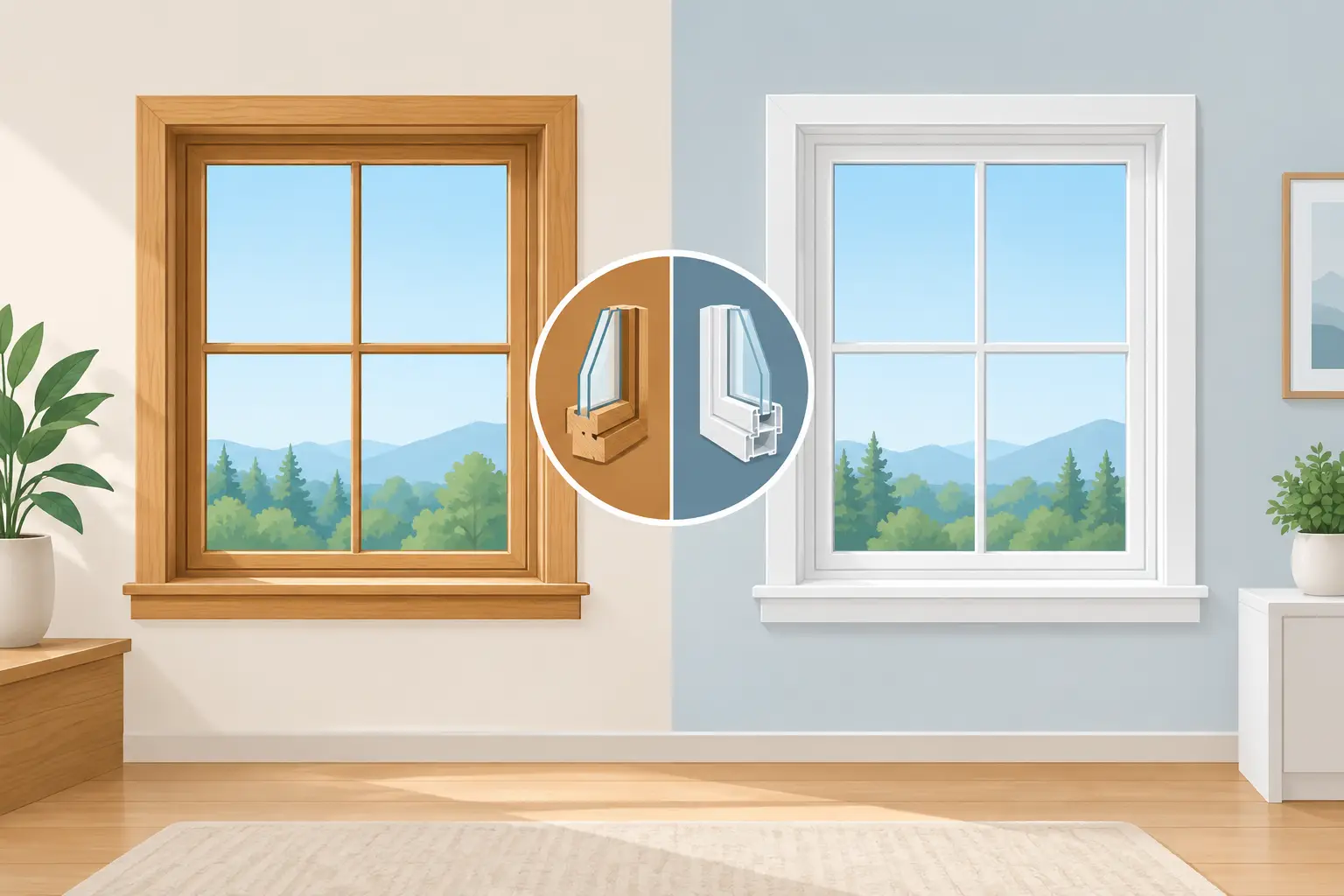
Vinyl replacement windows are a popular option because they are low maintenance, durable, and available with insulated multi-chamber frames. They can provide strong energy performance at a reasonable price. Fiberglass and composite frames can also perform very well, particularly where a homeowner wants added strength or a specific appearance.
Wood windows have a traditional look that suits many older Connecticut homes, but they require more maintenance. A wood-clad option can provide that interior character while using a protected exterior material. There is no single best frame for every property. The right choice should match your budget, architectural style, maintenance preferences, and performance goals.
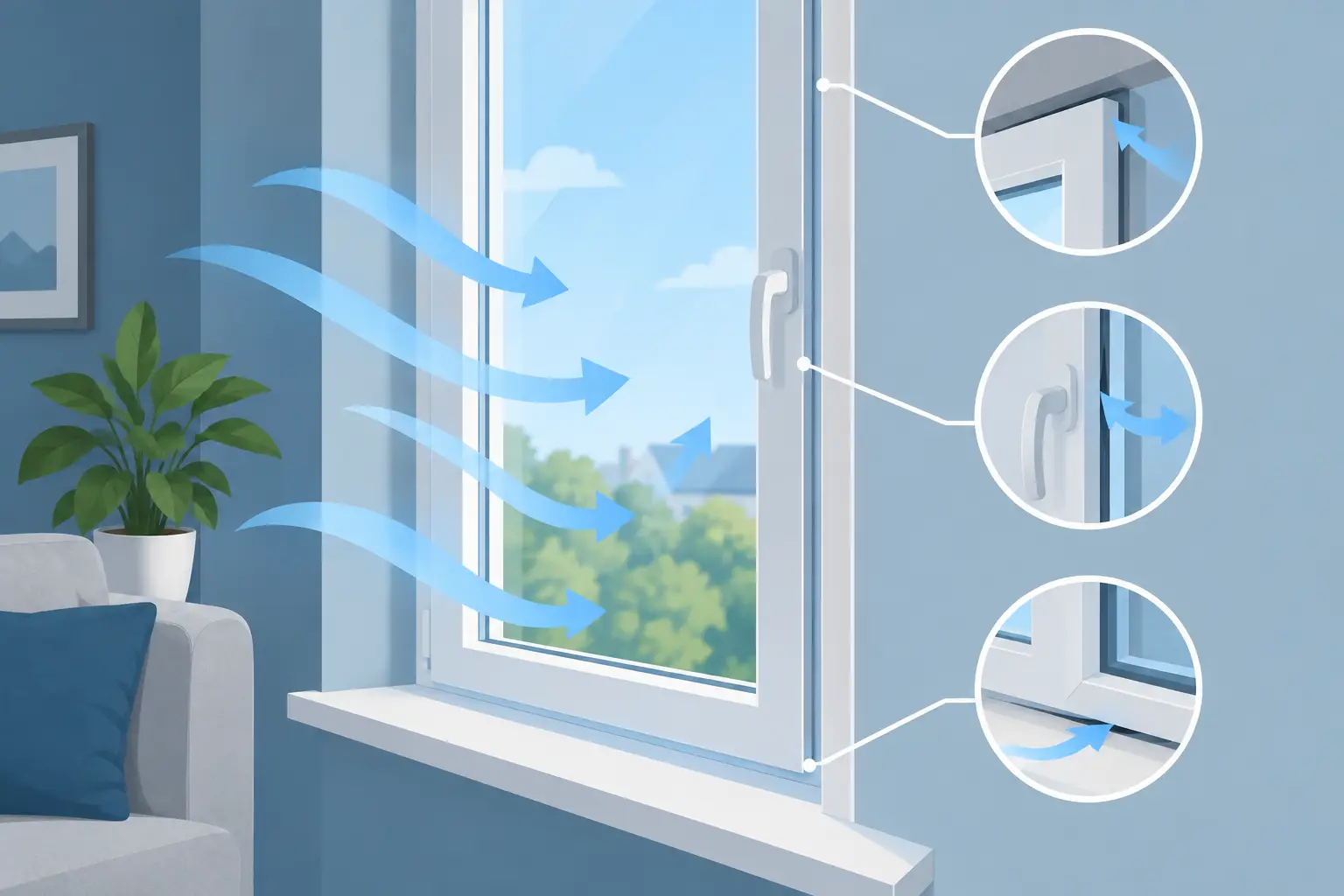
Even the best window will underperform if it is installed poorly. Gaps around the frame, damaged flashing, incorrect shimming, or weak insulation around the opening can allow drafts and moisture to reach the wall system. Professional measurement and certified installation crews make a real difference in the final result.
How to Compare Energy Efficient Replacement Windows
Window labels can feel technical, but a few ratings provide useful information when comparing products. Rather than focusing only on a brand name or a sales claim, ask for the performance ratings for the exact window configuration being quoted.
U-factor measures how readily a window transfers heat. A lower U-factor generally means better insulation. This is especially relevant during Connecticut’s colder months, when poorly insulated windows can make rooms feel chilly even when the thermostat is set correctly.
Solar heat gain coefficient, often called SHGC, measures how much solar heat passes through the window. A lower number reduces unwanted heat from strong sun exposure. That can be helpful on west- and south-facing walls, but very low solar heat gain may not be the best fit for every window. Some homes benefit from allowing a measured amount of winter sunlight indoors.
Air leakage ratings indicate how much air can pass through a closed window. Lower is better. This rating is particularly valuable if your existing windows rattle, whistle during wind, or leave rooms feeling drafty.
Visible transmittance measures how much natural light enters through the glass. A highly efficient window does not need to make a room dark. The goal is to balance insulation and solar control with the daylight you want in the space.
A dependable contractor can explain these ratings in plain language and help you select a practical glass package instead of pushing unnecessary upgrades.
Signs Your Current Windows Are Costing You Comfort
Older windows do not always need immediate replacement, but certain issues point to a system that is reaching the end of its useful life. Drafts, water staining around the trim, fogging between glass panes, difficult operation, peeling finishes, and recurring condensation are all worth addressing.
Fogging between panes means the seal on an insulated glass unit has failed. The insulating gas has likely escaped, moisture has entered, and the glass will not perform as designed. If several windows have failed seals or the frames are deteriorating, replacement often provides better long-term value than repeated repairs.
Windows that stick or will not lock properly can also be a security concern. New replacement windows should operate smoothly, lock securely, and provide a tight weather seal. This is one reason homeowners often see a noticeable difference immediately after a professional installation, even before they receive their next utility bill.
Do New Windows Lower Energy Bills?
Energy efficient replacement windows can help reduce heating and cooling demand, but they are not a guaranteed cure for high utility bills. Actual savings depend on the age and condition of your existing windows, the size of your home, your insulation levels, HVAC equipment, thermostat settings, and local energy costs.
The most immediate benefit is often comfort. Rooms near old windows may feel less drafty in winter and less overheated in summer. Your HVAC system may run more consistently instead of working harder to overcome air leaks and heat loss at the window openings.
Homeowners should also consider the broader value. Quality replacement windows can improve curb appeal, reduce outside noise, make cleaning easier, and support resale value. Windows are part of the home envelope, so their performance works alongside siding, roofing, doors, attic insulation, and proper ventilation.
If you are planning more than one exterior project, it may make sense to coordinate the work. For example, replacing damaged siding around old windows can create an opportunity to inspect the wall openings, address moisture concerns, and ensure trim and flashing are completed correctly. Handling connected exterior improvements with one experienced contractor can help protect the finished work.
Choosing the Right Style for Your Home
Energy performance should not force you to compromise on function. Double-hung windows are a familiar choice for many Connecticut homes and can provide easy ventilation and cleaning. Casement windows often offer a very tight seal because the sash closes against the frame. Sliding windows work well where a projecting sash would be inconvenient, while picture windows bring in broad views and daylight without moving parts.
The style should fit how you use the room. A bathroom may need privacy and controlled ventilation. A kitchen window above a sink may be easier to use as a casement. A large living room opening may benefit from a picture window combined with operable side units. Your installer should measure each opening and discuss how the finished window will look and function from both inside and outside.
Color, grids, trim profiles, and hardware also matter. A window replacement should look like it belongs on the home, not like an afterthought. Premium products offer options that can complement colonial, cape, ranch, and contemporary Connecticut homes while delivering modern insulation and weather protection.
Why Professional Installation Protects the Investment
Replacement window work is precise. Every opening can be slightly different, especially in older homes where framing may have shifted over time. Accurate measurements, proper removal of the old unit, inspection of the opening, insulation, sealing, and exterior finishing all affect performance.
A fast installation should still be careful installation. The crew should protect the work area, confirm the window operates correctly, seal the opening appropriately, and leave clean, durable exterior details. This work helps prevent the drafts, water intrusion, and premature wear that can result from shortcuts.
At Siding Unlimited CT, our experienced crews help homeowners choose and install quality replacement windows with workmanship built for Connecticut weather. We focus on clear recommendations, professional installation, and products that provide lasting value at a reasonable price.
If your windows are drafty, difficult to operate, or simply outdated, a professional assessment can give you a clear path forward. The right replacement windows should make your home feel more comfortable every day while protecting the investment you have made in it.
Share this post