A Connecticut home has to stand up to more than a few rainy days. Snow, freeze-thaw cycles, summer humidity, wind-driven rain, and strong sun all put exterior materials to work. This fiber cement siding review gives homeowners a clear look at whether this premium siding option is worth the investment for their home.
Fiber cement has earned a strong reputation for its durability, clean appearance, and ability to resemble traditional wood siding without the same level of upkeep. It is not the least expensive siding choice, and it is not a material that should be installed casually. For homeowners who plan to stay in their homes and want lasting curb appeal, it can be an excellent choice when paired with professional installation.
What Is Fiber Cement Siding?
Fiber cement siding is made from a blend of cement, sand, cellulose fibers, and water. The result is a dense, stable siding product designed to resist the issues that often affect wood and lower-grade exterior materials.
It is available in several profiles, including horizontal lap siding, vertical panels, shingles, trim boards, and soffit products. That flexibility makes it a practical option for many Connecticut home styles, from Colonials and Capes to ranch homes and newer construction.
Most homeowners choose fiber cement because it provides the look of painted wood while offering better resistance to rot, insects, and moisture. Quality products are also available with factory-applied finishes, which can provide a consistent color and reduce the need for early repainting.
Fiber Cement Siding Review: The Main Advantages
The biggest benefit of fiber cement siding is long-term performance. Unlike natural wood, it does not provide a food source for termites or carpenter ants. It will not rot simply because moisture reaches the exterior, and it is far less likely to warp or split as seasons change.
Fire resistance is another meaningful advantage. Fiber cement is noncombustible, which can give homeowners added peace of mind compared with wood-based siding materials. While no exterior renovation eliminates all fire risk, the material itself does not ignite easily or contribute fuel to a fire.
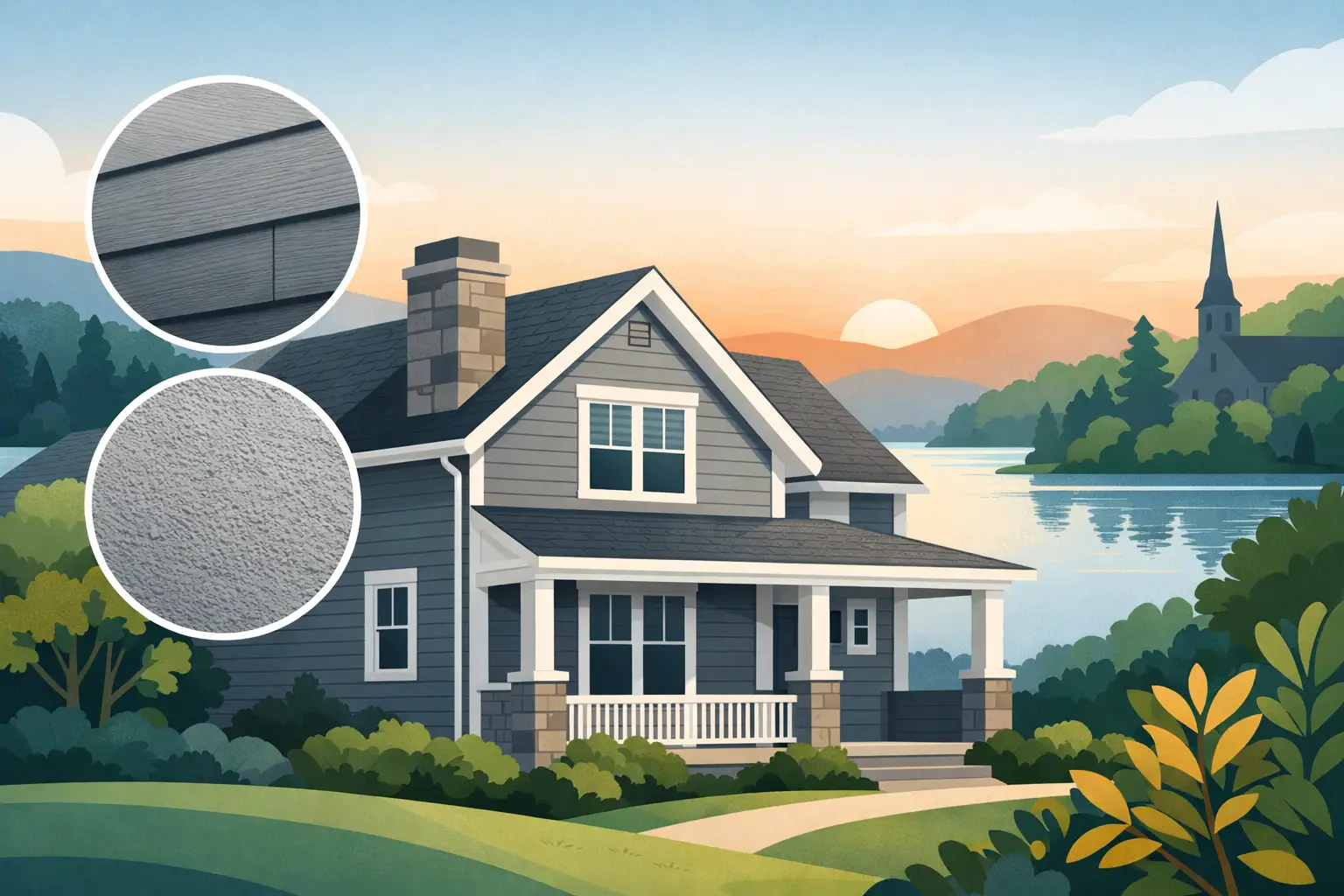
Fiber cement also holds its appearance well. The material can be manufactured with a convincing wood-grain texture or a smooth, modern finish. It can be painted in a wide range of colors, and its crisp lines add visual value to a home. For homeowners preparing to sell in the coming years, updated siding can make a strong first impression before a buyer even steps inside.
Connecticut weather is a good reason to consider this material. Winter moisture and ice can be tough on exterior surfaces. Hot, humid summer conditions can also expose weaknesses in poorly maintained wood siding. Fiber cement is built to handle these shifts, provided the siding, trim, flashing, and caulking are installed correctly.
The Trade-Offs Homeowners Should Understand
A fair review needs to cover the drawbacks as well. Fiber cement siding costs more upfront than many vinyl siding options. Material costs, labor requirements, trim details, and painting can all affect the final price. Homes with multiple stories, complex rooflines, decorative trim, or existing damage may require a larger investment.
The material is also heavy. Installation takes experienced crews, proper cutting tools, and careful handling. Each board must be positioned with the right clearances and fastened according to manufacturer requirements. Incorrect fastening, poor flashing around windows, or missing gaps at rooflines can lead to moisture problems that are not caused by the siding itself, but by the installation.
Fiber cement is not maintenance-free. It is low-maintenance compared with wood, but homeowners should still inspect it periodically, clean dirt or mildew as needed, and keep caulked joints in good condition. Painted fiber cement will eventually need repainting. The timing depends on exposure, color, product finish, and local conditions, but it is a real part of long-term ownership.
There is also a practical point to consider: fiber cement does not insulate a home on its own. It can be part of an energy-efficient exterior renovation, especially when a contractor addresses the wall system, house wrap, flashing, and air sealing. However, homeowners looking for a siding product with built-in insulation may want to compare it with insulated vinyl options.
How Fiber Cement Compares With Other Siding Materials
Vinyl siding remains a popular choice because it is budget-friendly, lightweight, and easy to maintain. It is a smart fit for homeowners who need a quality exterior upgrade at a lower initial cost. However, vinyl can crack under impact in cold weather, may fade over time, and does not typically offer the same substantial look as fiber cement.
Wood siding has natural character that many homeowners appreciate, particularly on historic or traditional homes. Its trade-off is maintenance. Wood can require regular painting or staining, and it is more vulnerable to rot, insect activity, and moisture damage if neglected. Fiber cement is often selected by homeowners who want a similar appearance with fewer long-term concerns.
Engineered wood siding can offer a middle ground. It is generally lighter than fiber cement and can provide a wood-like appearance at a competitive price. Product quality and installation details matter greatly, as engineered wood systems rely on proper protection at cuts, seams, and vulnerable areas.
For a homeowner prioritizing premium durability and a painted wood appearance, fiber cement often comes out ahead. For someone focused primarily on the lowest upfront cost, vinyl may be the better fit. The right answer depends on the home, budget, expected length of ownership, and the condition of the existing exterior.
What Professional Installation Should Include
Fiber cement siding is only as reliable as the system behind it. Before new siding is installed, a contractor should inspect the existing wall surfaces for rot, water intrusion, and structural concerns. Covering damaged sheathing or deteriorated trim may create a clean appearance temporarily, but it does not solve the problem.
A professional installation should account for water management around windows, doors, roof intersections, chimneys, and deck connections. Flashing and weather-resistant barriers help direct water away from the home. Proper clearances from roofing, grade, decks, and masonry reduce the chance of moisture wicking into the siding.
The finishing work matters just as much. Trim should align cleanly, joints should be treated correctly, and exposed cuts should be sealed or painted as required by the manufacturer. These are details homeowners may not notice from across the street, but they make a major difference in how the siding performs over time.
At Siding Unlimited CT, certified crews focus on the workmanship behind the finished appearance. A siding replacement should improve curb appeal, but it should also protect the home through every Connecticut season.
Is Fiber Cement Worth the Cost?
Fiber cement siding is often worth the cost for homeowners who want a durable, high-quality exterior and plan to keep their home for years. It offers a strong combination of moisture resistance, insect resistance, fire resistance, and design flexibility. Its painted finish and detailed trim can also make a home look more refined than many lower-cost alternatives.
It may not be the best fit for every project. If a home needs immediate siding replacement but the budget is limited, quality vinyl siding may deliver better value. If the home has significant hidden water damage, repairs should be addressed before choosing any new siding material. And if a homeowner wants a completely maintenance-free exterior, fiber cement may not meet that expectation because paint and caulk still require attention.
The best decision starts with an honest assessment of the house. Consider the age and condition of the existing siding, exposure to weather, architectural style, maintenance expectations, and the other exterior work that may be needed. Replacing windows, gutters, roofing, or trim at the same time can help create a better-protected and more cohesive exterior.
A well-installed fiber cement system is not simply a cosmetic upgrade. It is a long-term investment in the protection, appearance, and value of the home, and the contractor chosen to install it matters as much as the product itself.
Share this post