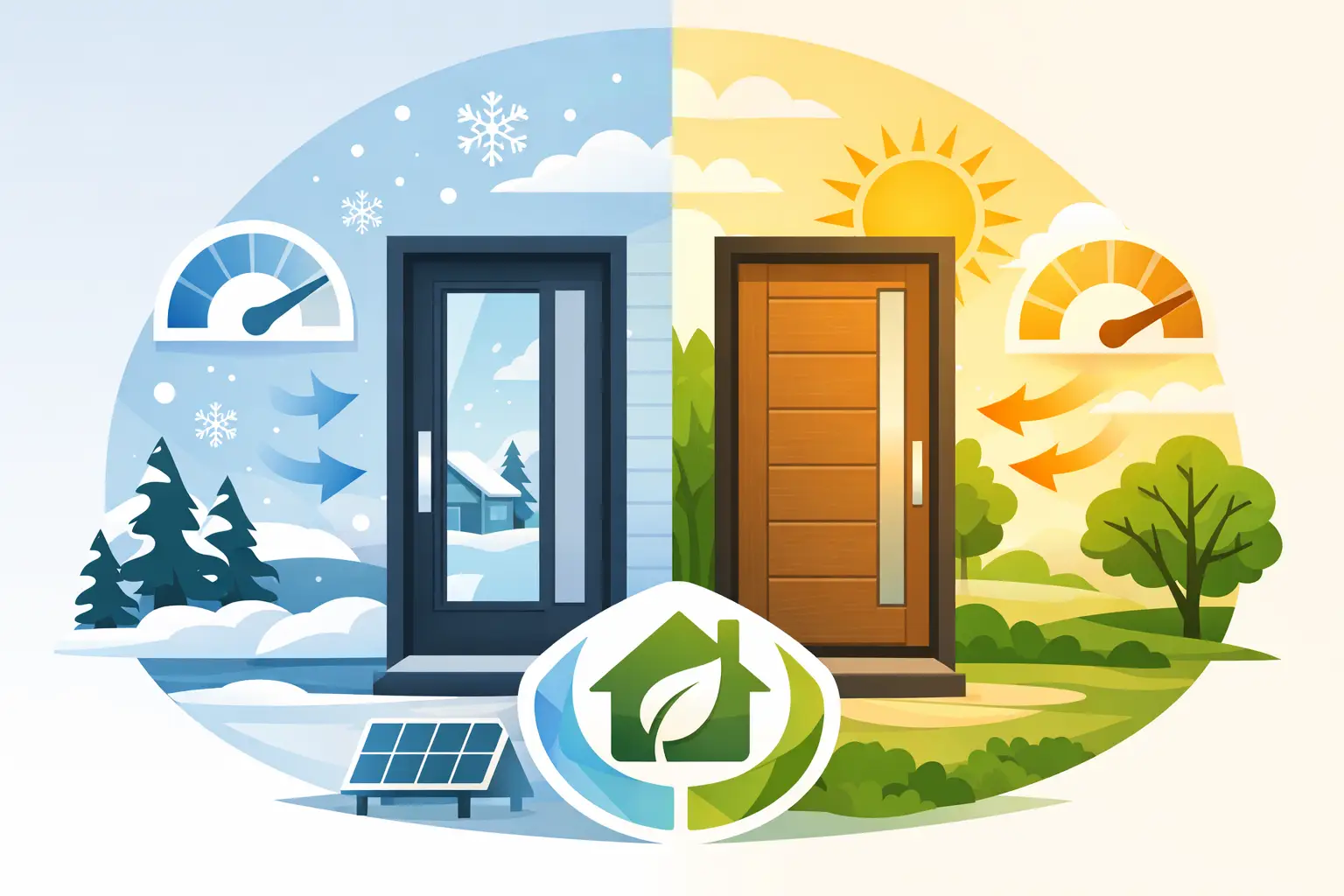
A drafty front door can make a well-heated Connecticut home feel cold near the entryway, raise monthly energy bills, and create moisture concerns around the frame. The best exterior doors for energy efficiency do more than look good from the curb. They create a tight, durable barrier against winter wind, summer humidity, and the daily use a busy household puts on an entry door.
For most homeowners, the right choice comes down to more than the door slab. Material, insulation, glass, weatherstripping, threshold design, and professional installation all affect real-world performance. A high-quality door installed poorly can still leak air. Choosing the right product and having it fitted correctly gives your home the comfort and value you expect from an exterior improvement.
What Makes an Exterior Door Energy Efficient?
An energy-efficient exterior door reduces heat transfer and limits uncontrolled air movement between your home and the outdoors. Those are two different jobs. Insulation helps slow heat loss through the door itself, while seals around the edges stop cold air from slipping through gaps.
Look for a door with a low U-factor, which measures how readily heat passes through the full door system. Lower numbers indicate better insulating performance. For Connecticut homes, that matters during long heating seasons, especially on doors exposed to prevailing winds or limited afternoon sun.
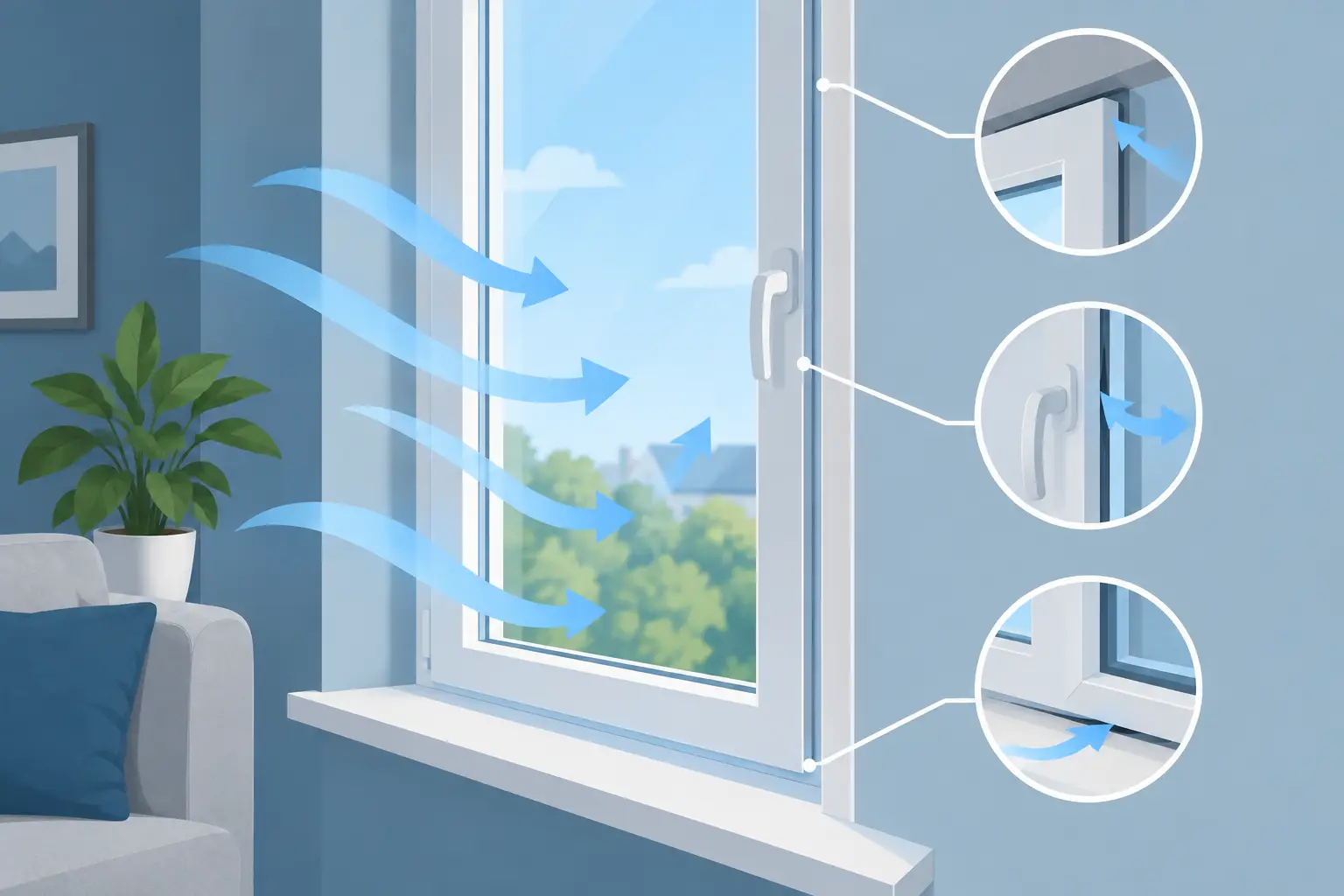
Air leakage ratings matter as well. A door can have an insulated core but still perform poorly if the jamb, sweep, threshold, or weatherstripping does not seal tightly. Quality doors use compression weatherstripping around the sides and top, along with an adjustable threshold and door sweep at the bottom.
When comparing products, evaluate the complete entry system rather than just the panel style. The frame, sill, hinges, lockset preparation, and installation method all contribute to energy performance.
Fiberglass Doors Offer the Best Overall Balance
For many Connecticut homeowners, fiberglass is one of the best exterior doors for energy efficiency because it balances insulation, durability, appearance, and maintenance. Fiberglass doors typically have an insulated foam core that resists heat transfer far better than a solid wood door. They also hold up well against changing temperatures, rain, snow, and humidity.
Unlike wood, fiberglass does not expand and contract as dramatically with seasonal moisture changes. That stability helps the door maintain a dependable seal over time. It is also less likely to warp, crack, or rot when properly installed and maintained.
Fiberglass is available in smooth finishes for a painted look and textured finishes that resemble real wood grain. Homeowners can choose a traditional panel design, craftsman style, or decorative glass while still getting strong thermal performance. It often costs more than a basic steel door, but its long-term durability and low maintenance can make it a smart investment.
When Fiberglass Makes the Most Sense
A fiberglass entry door is especially practical for a main front entrance that receives direct weather exposure. It is also a strong choice for homeowners who want the appearance of wood without the regular refinishing that real wood requires. If comfort, curb appeal, and durability are all priorities, fiberglass is hard to beat.
Steel Doors Deliver Strong Value and Security
Steel entry doors are another efficient choice, particularly for side entrances, garage-to-house doors, and budget-conscious front door replacements. Most quality steel doors have an insulated foam core that provides solid thermal performance. Their construction also offers excellent security and resistance to everyday impacts.
A steel door is generally more affordable than a comparable fiberglass model, making it a practical option when replacing multiple exterior doors. It can be painted in a wide range of colors and works well with many home styles.
The trade-off is that steel can dent, and scratches need prompt attention to prevent rust. In coastal or highly damp conditions, maintaining the finish is particularly important. Steel also conducts heat more readily than fiberglass, although the insulated core and a well-designed thermal break can greatly improve overall performance.
For a protected side door or a door that needs reliable performance at a reasonable price, insulated steel is often an excellent fit.
Wood Doors Bring Beauty, but Require More Care
A real wood exterior door has a warmth and character that manufactured materials cannot fully duplicate. For historic Connecticut homes or homeowners seeking a traditional, high-end look, wood may still be the right choice.
From an energy standpoint, though, wood is not automatically the best option. Solid wood can provide reasonable insulation, but it generally does not match the insulating performance of a foam-core fiberglass or steel door. It also requires ongoing maintenance to protect it from moisture, sun exposure, and movement caused by changing weather.
A wood door can perform well when it is properly finished, protected by an overhang, and installed with quality weatherstripping. However, homeowners should plan for periodic inspection, refinishing, and adjustment. If low maintenance and maximum efficiency are the main goals, fiberglass usually offers a better balance.
Glass Panels Can Be Efficient When Chosen Carefully
Decorative glass can brighten an entryway and improve curb appeal, but more glass usually means a greater potential for heat transfer than an insulated solid panel. That does not mean you need to avoid glass altogether. It means the glass package should be selected with care.
For an exterior door with sidelights or a large glass insert, choose insulated double-pane glass with a low-emissivity coating. Low-E glass helps reflect heat, keeping indoor warmth inside during winter and reducing unwanted solar heat in warmer months. Argon gas between panes can further improve performance.
The amount and direction of glass matter. A door facing strong afternoon sun may benefit from glass designed to control solar heat gain. A shaded north-facing entry may call for a different balance that prioritizes heat retention. Decorative glass, internal blinds, and privacy glass can all be incorporated without sacrificing comfort when the door is built as a quality insulated system.
Installation Is Just as Important as the Door
Even the highest-rated door cannot perform as intended if it is installed out of square, improperly flashed, or left with gaps around the frame. This is where professional installation makes a measurable difference.
The opening must be inspected for damage, moisture issues, and framing problems before the new door goes in. The installer should level the sill, plumb the jamb, shim the frame correctly, and confirm that the door operates smoothly without binding. Insulation should be placed around the frame without overpacking the space and causing the jamb to bow.
Exterior flashing and sealant are equally important. These details help direct water away from the opening and prevent moisture from entering wall cavities. A properly installed threshold should seal at the bottom without making the door difficult to close.
After installation, the door should close firmly, latch without force, and show even contact with the weatherstripping. Small gaps may seem minor, but they can create noticeable drafts and reduce the value of an otherwise efficient replacement door.
Signs It Is Time to Replace Your Exterior Door
Age alone does not always mean a door needs replacement, but several warning signs indicate that repair may no longer be enough. Pay attention to cold air around the door, daylight visible around the frame, condensation between glass panes, sticking or sagging, peeling finish, rust, soft wood, or water stains near the entry.
You may also notice that your heating system runs more often in rooms near an exterior door. A worn threshold or compressed weatherstripping can sometimes be replaced, but a warped slab, damaged frame, or recurring moisture issue usually calls for a full door system evaluation.
Choosing the Right Door for Your Home
The best choice depends on where the door is located, how exposed it is to weather, your preferred style, and your budget. Fiberglass is typically the best all-around option for a front entrance. Insulated steel offers dependable value for secondary entrances. Wood remains a strong design choice when homeowners are prepared for the maintenance it requires.
Do not choose based on material alone. Ask about the door’s U-factor, glass package, weatherstripping, threshold, warranty, and installation process. A professional contractor can also identify problems in the existing opening that need attention before replacement.
A new exterior door should make your home feel more secure and comfortable the moment it closes. With a properly selected and professionally installed door, you can improve energy efficiency, protect your entryway from Connecticut weather, and give your home a finished look that lasts.
Share this post