A house can look well maintained from the street and still waste energy through old windows, worn siding, roof problems, and gaps around doors. The right energy saving home upgrades address those weak points at the exterior of the home, where weather protection and comfort begin. For Connecticut homeowners, that can mean fewer drafts in January, less heat buildup in summer, and a home that feels more consistent room to room.
The best project depends on the condition of your home. A window replacement may make the most sense for one property, while another needs new siding, better insulation details, or roof repairs first. The goal is not to replace everything at once. It is to invest in the improvements that solve real problems, protect the structure, and deliver lasting value.
Start With the Parts of Your Home That Are Failing
Before choosing an upgrade, look for clear signs that the exterior is no longer doing its job. Cold spots near windows, drafts around doors, peeling paint, high utility bills, water stains, and loose or cracked siding all deserve attention. These issues can be connected. For example, damaged siding or missing exterior trim can allow moisture and air movement behind the wall, while an aging roof can create risks that go far beyond energy loss.
A professional exterior assessment helps identify where the problem starts. Replacing one visible component without addressing the surrounding flashing, trim, or water-management details can leave the home vulnerable. Quality installation matters as much as the product itself.
Energy Saving Home Upgrades With the Biggest Impact
Replace inefficient windows
Older single-pane windows, failing insulated glass, and worn weatherstripping can make rooms uncomfortable even when the heating system is working hard. Modern replacement windows are designed to reduce heat transfer and air leakage while providing a tighter, more reliable fit.
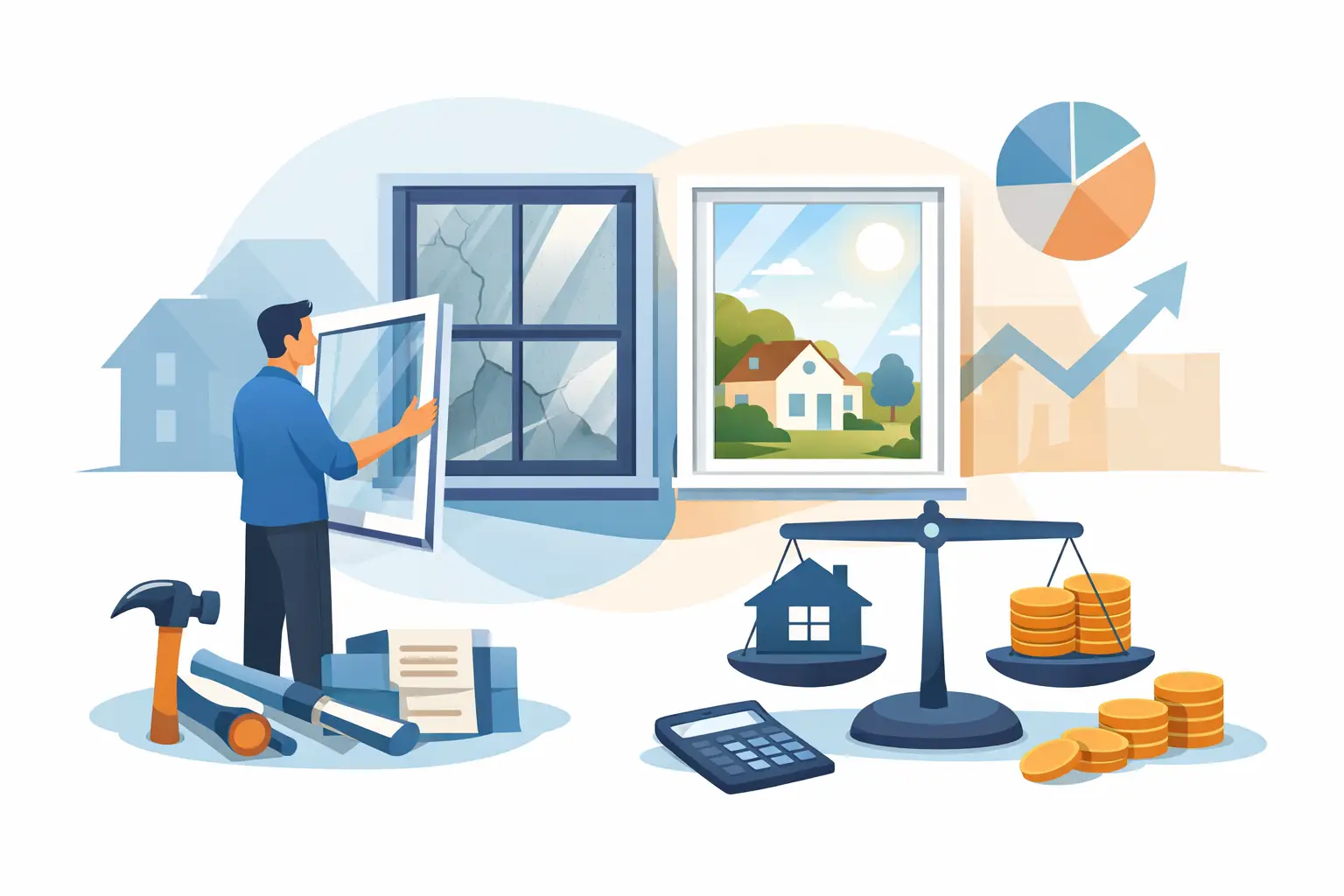
The right window choice depends on the opening, your home’s style, and how much sun that side of the house receives. Low-emissivity glass can help manage heat transfer, while properly sealed frames and professional installation help prevent drafts. Window replacement is especially worthwhile when homeowners notice condensation between glass panes, difficulty opening windows, rotted frames, or noticeable cold air near the glass.
Windows are not a cure for every high-energy-bill problem. If attic insulation is inadequate or exterior walls have moisture damage, those conditions should also be evaluated. But when old windows are clearly failing, replacement can improve comfort, appearance, and day-to-day operation at the same time.
Upgrade old or damaged siding
Siding is more than a finish material. It protects the wall system from rain, wind, pests, and seasonal temperature changes. Cracked panels, warped boards, loose pieces, and failing caulk can let water reach areas where it does not belong. Over time, that can affect insulation, sheathing, and framing.
New siding provides an opportunity to inspect the wall surface underneath and improve the home’s weather barrier. Depending on the system selected, exterior insulation can also be part of the project. This may help reduce thermal bridging, where heat moves through wall framing more easily than through insulated cavities.
The trade-off is cost and scope. A full siding replacement is a larger project than replacing a few damaged boards, but patching an aging system repeatedly may not be the best value. When siding has widespread deterioration or moisture concerns, a complete replacement often delivers better long-term protection and a more consistent appearance.
Repair or replace an aging roof
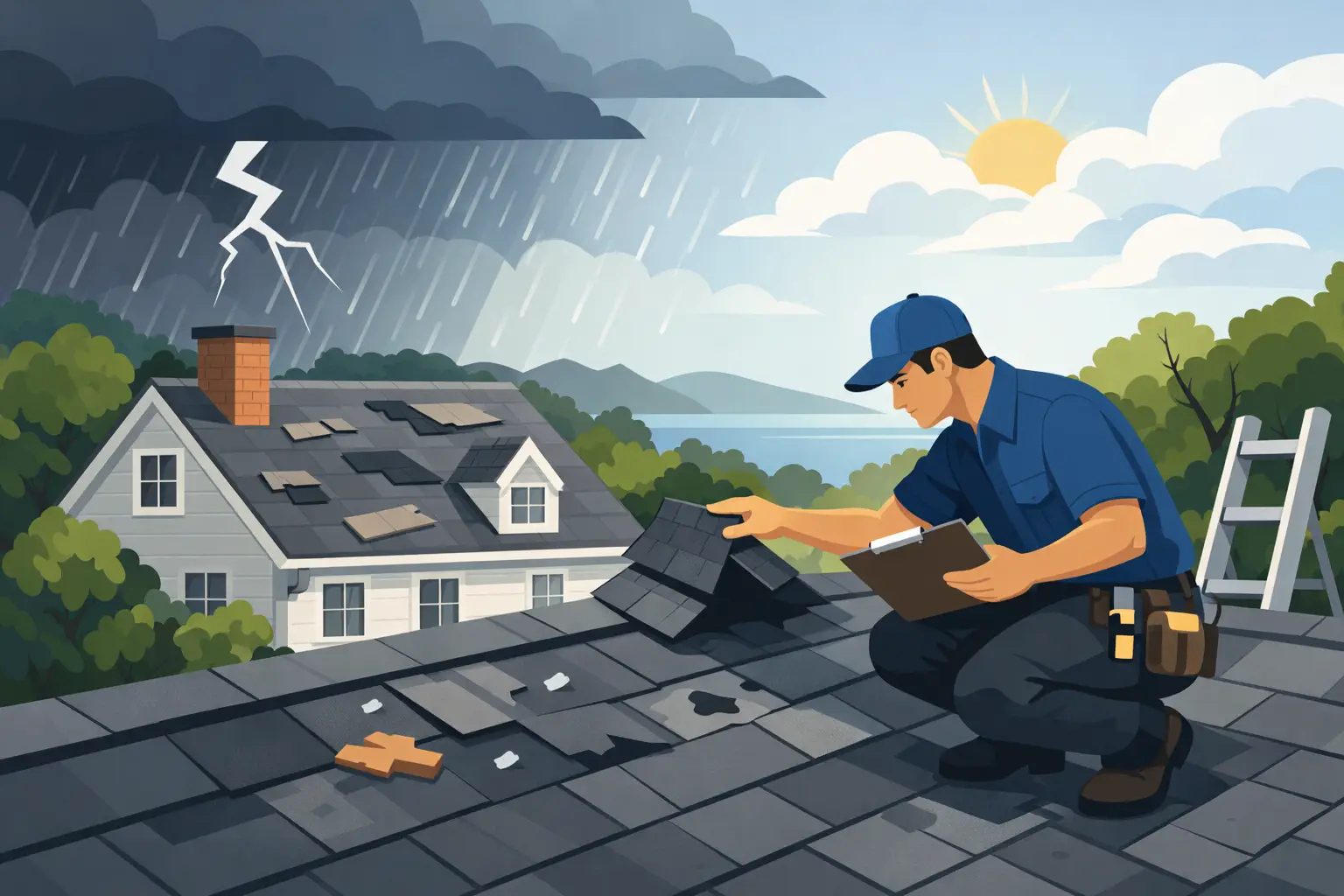
A roof that is near the end of its service life can affect comfort and energy performance, particularly when leaks or ventilation problems are involved. Missing shingles, curling edges, granule loss, roof staining, and water marks in the attic are all reasons to schedule an inspection.
A roof replacement is also the right time to review attic ventilation and the condition of roof deck components. Proper ventilation helps manage moisture and heat buildup in the attic. It does not replace insulation, but it is an important part of a healthy roofing system.
Homeowners should be careful about treating a new roof as an automatic energy-saving solution. The biggest immediate benefit is dependable weather protection. Energy improvements are strongest when the roof project also corrects ventilation issues and supports a properly insulated attic.
Install a high-performance exterior door
An exterior door is a small part of the home’s total wall area, but it can create an outsized comfort issue when it is warped, poorly fitted, or missing effective weatherstripping. If you can see daylight around the door, feel air movement, or struggle with a door that sticks, it may be time for replacement.
A quality entry door with a properly installed frame, threshold, and weather seals can reduce drafts while improving security and curb appeal. Fiberglass and insulated steel doors are popular options because they offer durability with lower maintenance than many older wood doors. The installation details matter here: even an excellent door will underperform if the opening is not properly prepared and sealed.
Keep gutters and drainage working
Gutters do not directly lower a utility bill, but they protect the exterior systems that do. When gutters overflow, leak at seams, or drain too close to the foundation, water can damage siding, trim, fascia, and roof edges. That damage may eventually create gaps and rot that compromise the home’s thermal envelope.
A properly sized gutter system, securely installed and directed away from the foundation, helps preserve your investment in roofing and siding. This is a practical upgrade for homeowners who see overflowing water during heavy rain, sagging gutters, or recurring ice buildup along roof edges.
Think About the Home as One Exterior System
The most effective improvements work together. New windows should be properly integrated with flashing and exterior trim. Siding should be installed over a sound wall system with careful attention to moisture protection. Roofing, gutters, soffit, and fascia should direct water away from the home rather than trapping it at vulnerable edges.
This is why hiring a contractor with experience across exterior renovation services can make planning easier. Instead of treating each issue as isolated, homeowners can make decisions based on the condition of the complete exterior. A phased plan may be the right approach when the budget does not allow for every project at once.
For example, a homeowner may replace a leaking roof and failing gutters first, then schedule siding and window replacement later. Another homeowner may prioritize drafty windows and an exterior door while monitoring a roof that still has useful service life. The right order protects the home from damage before moving on to cosmetic improvements.
Choose Products and Installation for Connecticut Weather
Connecticut homes face cold winters, humid summers, wind-driven rain, and freeze-thaw cycles. Materials need to hold up through all of it. Product quality is important, but no product can compensate for poor workmanship.
Ask how existing damage will be handled, how flashing and water barriers will be installed, and what preparation is included before the new materials go on the home. A clear, detailed quote helps you understand what is being replaced and why. It also helps prevent unexpected shortcuts after work begins.
Experienced installation crews can spot problems that are not always visible from the ground, such as soft wood around windows, damaged roof decking, or failed trim behind old siding. Addressing those issues during the project is often more cost-effective than covering them up and facing repairs later.
Invest Where Comfort and Protection Meet
Energy savings are a meaningful reason to improve your home, but comfort, durability, and protection matter just as much. A warmer room, a dry wall system, a dependable roof, and doors that close tightly are all signs that the exterior is working as it should.
If your home has aging windows, worn siding, roofing concerns, or persistent drafts, start with a professional evaluation rather than a guess. The right upgrade should solve the problem in front of you and help your home perform better through the next Connecticut season and many more after that.
Share this post