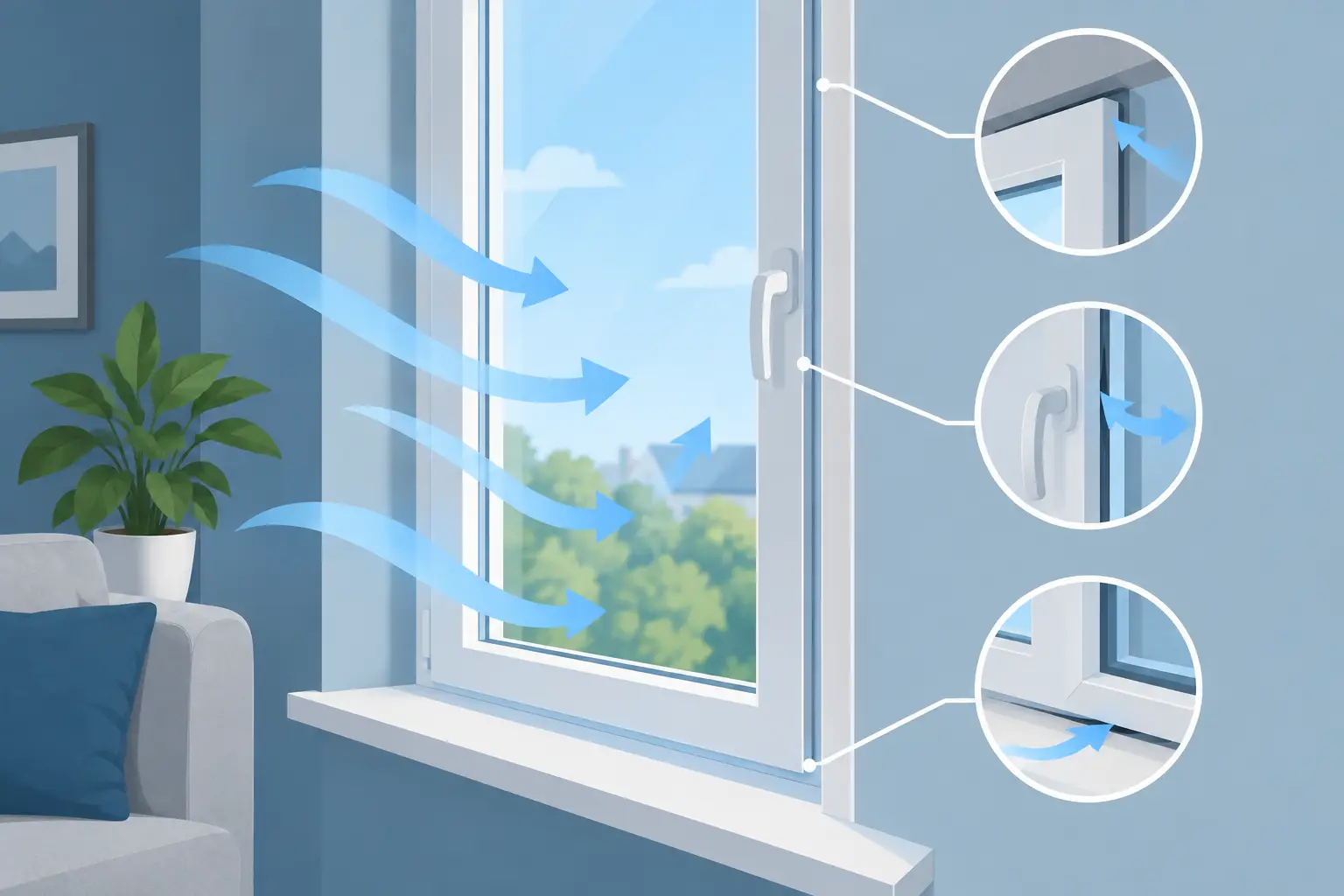
A drafty living room, condensation between panes, or windows that will not stay open are not small annoyances. They can affect comfort, energy use, security, and the appearance of your home. The best replacement windows for homes are not always the most expensive option. They are the windows that fit your home, perform well in Connecticut weather, and are installed correctly.
For most homeowners, the decision comes down to three things: choosing a dependable window material, selecting efficient glass, and working with an experienced installer. Each matters. A high-quality window can still underperform if it is poorly measured, incorrectly flashed, or left with gaps around the frame.
What Makes the Best Replacement Windows for Homes?
A good replacement window should solve a specific problem. If your current windows leak cold air in winter, energy-efficient glass and a tight installation may be the priority. If your home faces a busy road, laminated glass or double-pane windows with better sound control may be worth considering. If the goal is easier cleaning and a fresh exterior look, the operating style and frame color may matter most.
Connecticut homes see freezing temperatures, summer humidity, heavy rain, and strong seasonal temperature swings. That makes durability and weather resistance especially important. Look beyond a showroom sample and ask how the window will handle moisture, expansion and contraction, and daily use over many years.
The best choice also depends on the existing opening. Some homes need an insert replacement window that fits within the existing frame. Others need a full-frame replacement because the old frame is rotted, out of square, or allowing water into the wall. A professional assessment should determine which approach protects the home for the long term.
Choose the Right Window Frame Material
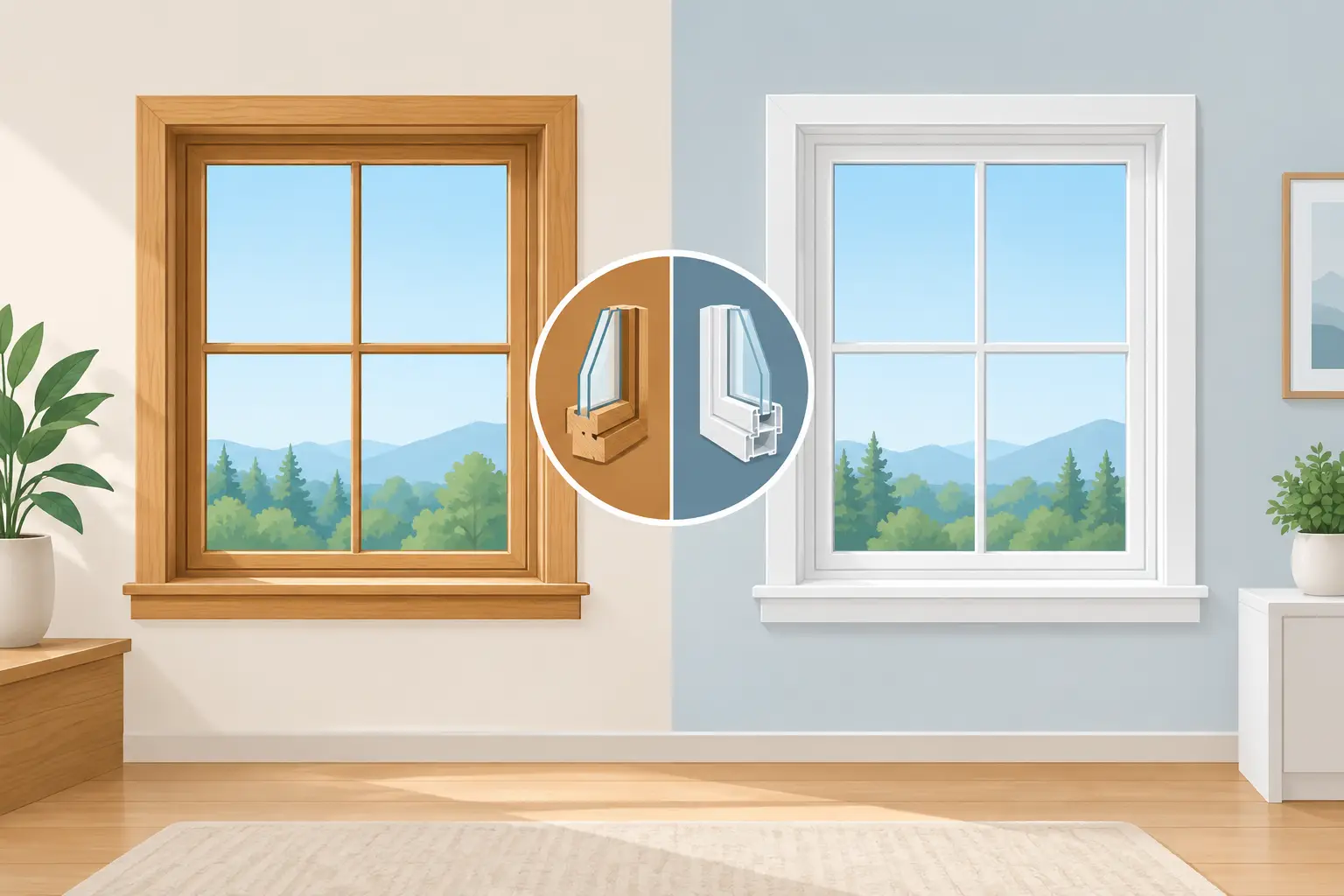
Frame material affects cost, maintenance, insulation, and appearance. There is no single material that works best for every home.
Vinyl Windows
Vinyl replacement windows are a practical choice for many Connecticut homeowners. They are generally budget-friendly, low-maintenance, and resistant to rot and moisture. Quality vinyl windows can offer strong energy performance when paired with insulated frames and efficient glass packages.
The trade-off is that color and profile choices may be more limited than with wood or fiberglass. Very low-cost vinyl windows can also have thinner frames, less durable hardware, and weaker structural performance. The goal is not simply to choose vinyl, but to choose a well-built vinyl window from a reputable manufacturer.
Fiberglass Windows
Fiberglass windows are valued for strength, stability, and long-term performance. The material expands and contracts less than vinyl in changing temperatures, which can help maintain a tight seal. Fiberglass can also provide a slimmer frame profile, allowing more visible glass and natural light.
These windows often cost more upfront, but they can be a smart investment for homeowners who plan to stay in their home for many years. They work well on larger openings and on homes where a clean, durable finish is a priority.
Wood and Wood-Clad Windows
Wood windows bring a traditional look that suits many colonial, historic, and upscale Connecticut homes. Wood offers natural insulation and can be painted or stained to match interior trim. Wood-clad windows place a protected exterior material over a wood interior, reducing exterior maintenance while preserving the indoor wood appearance.
The main consideration is upkeep. Exposed wood requires proper painting, sealing, and attention to moisture. For a home with existing wood trim or a distinctive architectural style, the added care can be worthwhile. For homeowners looking for the least maintenance possible, vinyl or fiberglass may be a better fit.
Glass Packages Matter More Than Most Homeowners Expect
The glass makes up most of a window’s surface, so it has a major effect on comfort and efficiency. Standard double-pane glass is common, but the details between the panes matter.
Low-E coatings help reflect heat while allowing useful natural light into the home. In winter, they help keep indoor heat from escaping. In summer, they help limit solar heat gain. Argon or krypton gas between panes improves insulation compared with ordinary air.
For Connecticut homes, double-pane, Low-E glass with argon gas is often a solid starting point. Triple-pane glass can provide added insulation and may reduce outside noise, but it costs more and is not automatically necessary for every room. It can make sense for bedrooms near traffic, exposed north-facing rooms, or homes where maximum comfort is the goal.
Ask about the window’s U-factor and solar heat gain coefficient. A lower U-factor generally means better insulation. Solar heat gain is more situational. Homes with large sunny exposures may benefit from lower solar heat gain, while a colder or shaded area may call for a different balance. The right glass should match the orientation of your home, not follow a one-size-fits-all rule.
Select a Style That Works for Daily Life
The window style should fit the room as well as the exterior design. Double-hung windows remain popular because both sashes can operate and tilt inward for easier cleaning. They are a dependable choice for bedrooms, living rooms, and traditional-style homes.
Casement windows crank outward and seal tightly when closed. They are useful over kitchen sinks and in areas where homeowners want strong ventilation and unobstructed views. Awning windows hinge at the top and can often be opened during light rain, making them useful in bathrooms or lower-level spaces.
Picture windows do not open, but they bring in wide views and daylight with fewer moving parts. Pairing a picture window with operating side windows can provide both light and ventilation. Sliding windows are simple to operate and can work well in wider openings, although they typically do not seal as tightly as a quality casement window.
For bedrooms, confirm that the window meets egress requirements when it serves as an emergency exit. A window may look large enough but still fail to provide the required clear opening once the sash is raised or opened.
Do Not Overlook Installation Quality
Installation is where replacement window performance is won or lost. Proper installation begins with accurate measurements and a close inspection of the existing frame, sill, exterior trim, and surrounding siding. If there is hidden rot or water damage, covering it with a new window does not fix the problem.
A professional crew should remove the old unit carefully, prepare the opening, install flashing where needed, insulate gaps appropriately, and seal the window without restricting drainage. The window must be level, plumb, and square so it operates smoothly and locks correctly.
This work is especially important when replacing windows during a larger exterior project. If your siding, trim, or gutters also need attention, coordinating the work can help ensure the home envelope is properly protected. It also avoids the risk of replacing windows now and disturbing surrounding exterior materials later.
Siding Unlimited CT brings more than 20 years of exterior renovation experience to window replacement projects throughout Connecticut. Certified installation crews focus on professional workmanship, premium products, and a finished result that improves both comfort and curb appeal.
Questions to Ask Before Approving a Window Quote
A clear quote should make it easier to compare options. Price matters, but it should not be the only number you consider. A lower quote may reflect a simpler glass package, basic hardware, limited warranty coverage, or an installation scope that does not address damaged trim and framing.
Before moving forward, ask whether the quote includes full-frame or insert installation, interior and exterior trim work, removal and disposal of old windows, insulation and sealing, and any needed repair to the opening. Confirm the manufacturer warranty and the contractor’s workmanship coverage. It is also helpful to know the expected timeline, how the work area will be protected, and who will be your point of contact during the project.
Comparing detailed quotes helps homeowners make a confident decision. It also gives you a clearer picture of the value behind the price rather than focusing only on the initial cost.
Plan for Long-Term Value, Not Just Immediate Savings
Replacement windows can improve energy efficiency, reduce drafts, simplify cleaning, and update the look of your home. They can also help protect interior finishes from fading and make rooms more comfortable near the glass. The return is not always limited to a utility bill. Better windows can make a home quieter, easier to maintain, and more appealing when it is time to sell.
Still, replacement should be based on condition and performance, not pressure. If a window is structurally sound and only needs new hardware or minor sealing, repair may be reasonable. When frames are failing, panes are fogged, operation is difficult, or drafts persist, replacement is usually the more dependable answer.
The right window project starts with an honest evaluation of your home. Choose products built for your needs, insist on skilled installation, and get a detailed quote that explains exactly what your investment includes.
Share this post