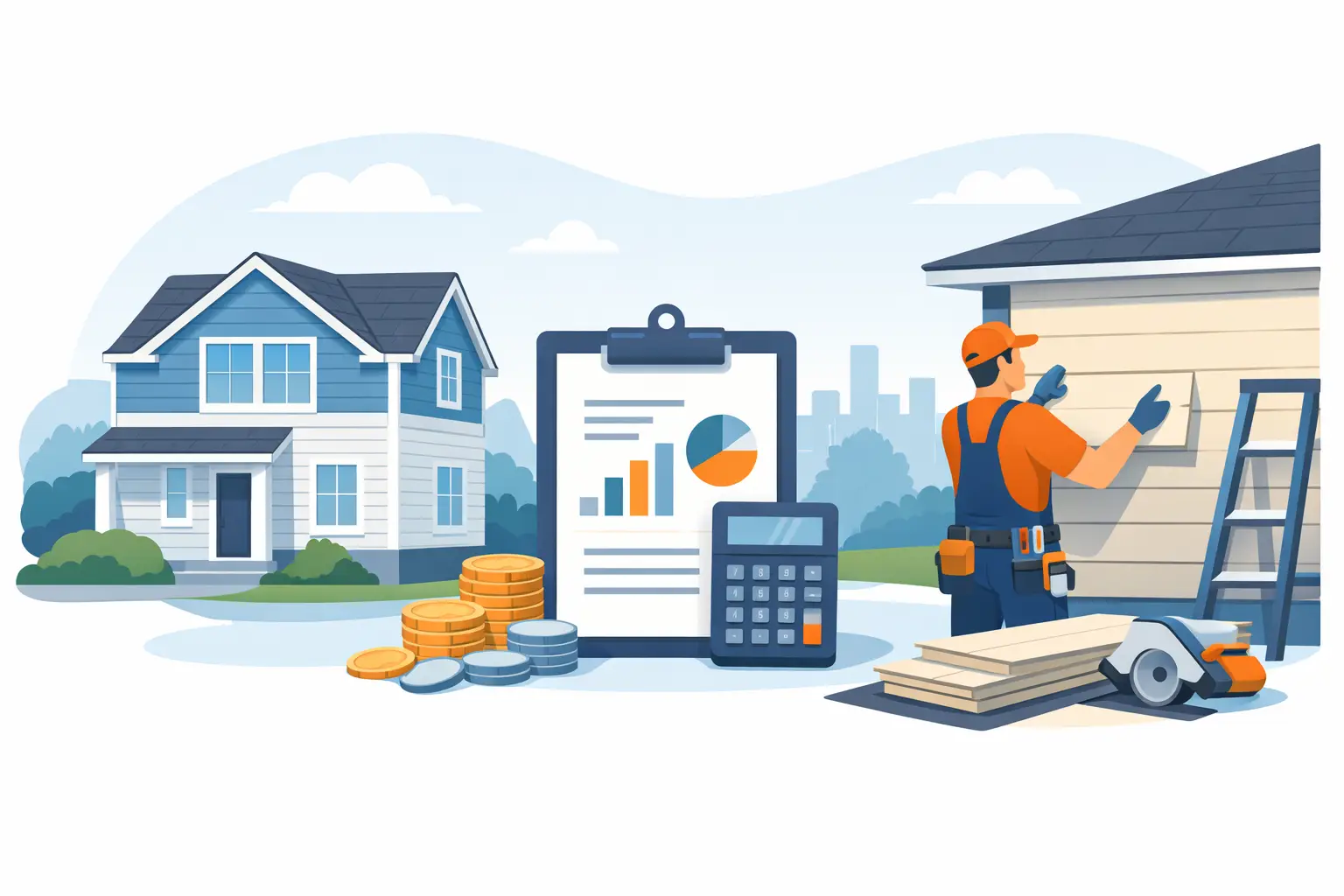
A low siding price can look appealing until the project starts and the real numbers show up. For most homeowners, siding installation cost depends less on a single square-foot rate and more on the condition of the home, the material you choose, and how the work is installed. If you want a realistic budget, it helps to understand what actually drives the price before you compare quotes.
New siding is not just a cosmetic upgrade. It protects the home from moisture, improves energy performance, and changes curb appeal right away. Done correctly, it also reduces the risk of hidden water damage and premature wear around windows, doors, and trim.
What affects siding installation cost
The biggest factor is the size of the home, but that is only the starting point. A larger house needs more material and more labor, yet two homes with the same square footage can still have very different project costs.
Layout matters. A simple ranch is usually faster and more straightforward to side than a two-story colonial with multiple gables, dormers, bump-outs, and detailed trim. The more cuts, corners, and transitions involved, the more labor the job requires.
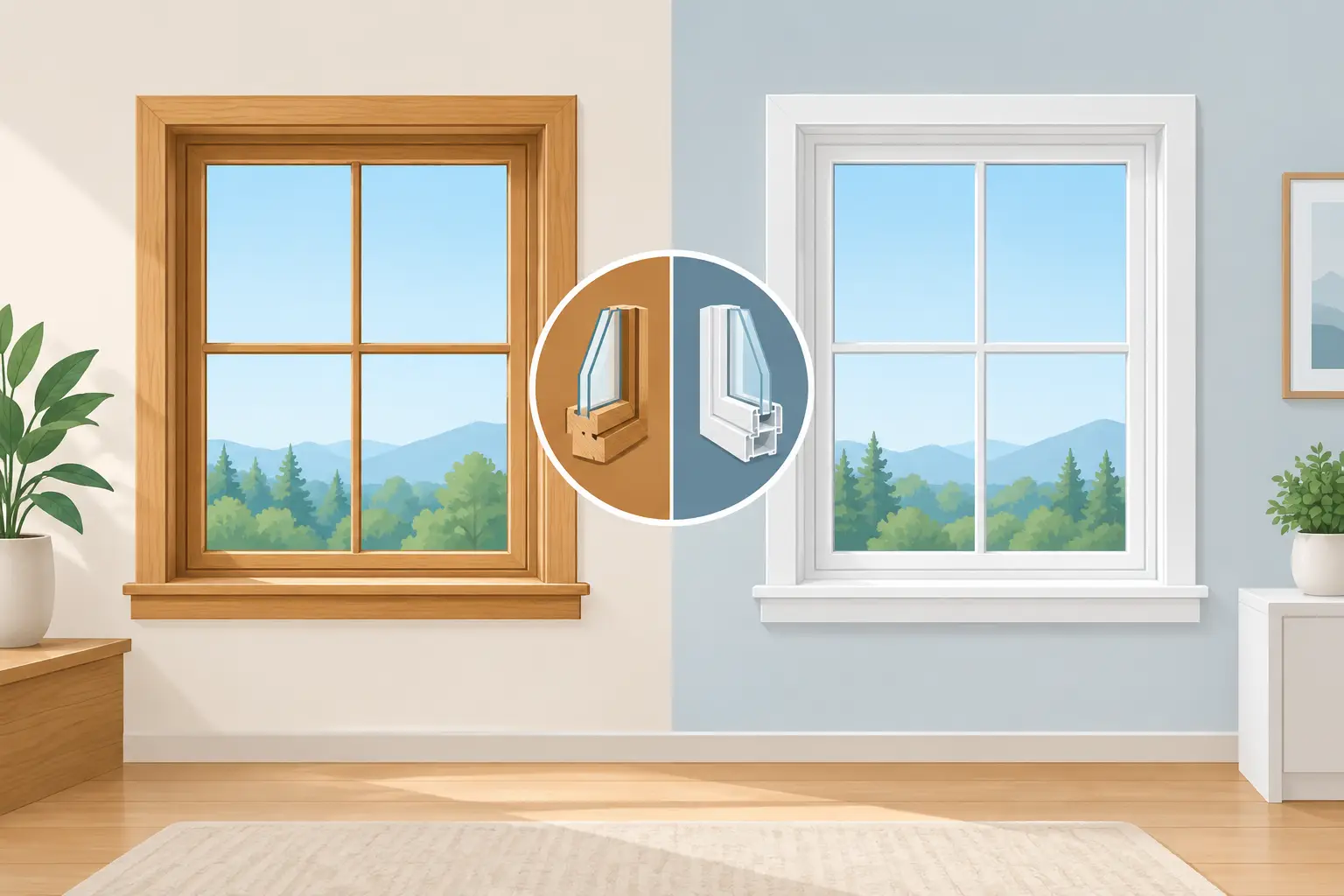
Material choice also has a major impact. Vinyl siding is often one of the most budget-friendly options, which is why many homeowners choose it for a balance of appearance, durability, and value. Fiber cement, engineered wood, and premium composite products tend to cost more up front, but some homeowners prefer them for their look, rigidity, or long-term performance.
Labor is another major part of the total. Professional installation is not a minor line item. Proper flashing, moisture management, trim work, and fit around openings all affect how the siding performs over time. A lower labor number may mean shortcuts, and shortcuts on exterior work usually become expensive later.
Average siding installation cost by project scope
Most homeowners are looking for a ballpark before they request a quote. The challenge is that siding work is highly project-specific, especially on older homes in Connecticut where trim issues, moisture exposure, and wall repairs are more common.
A smaller, simpler siding replacement with basic vinyl materials may fall on the lower end of the range. A full replacement on a larger home with premium materials, extensive trim work, insulation upgrades, and substrate repairs will land much higher. In general, homeowners should expect the final number to reflect the full exterior system, not just the visible panels.
That is why square-foot pricing can only tell you so much. It may help with rough planning, but it does not account for house wrap, removal of old siding, disposal fees, corner boards, soffit and fascia details, custom trim, or repair work found after tear-off.
Material choices and how they change cost
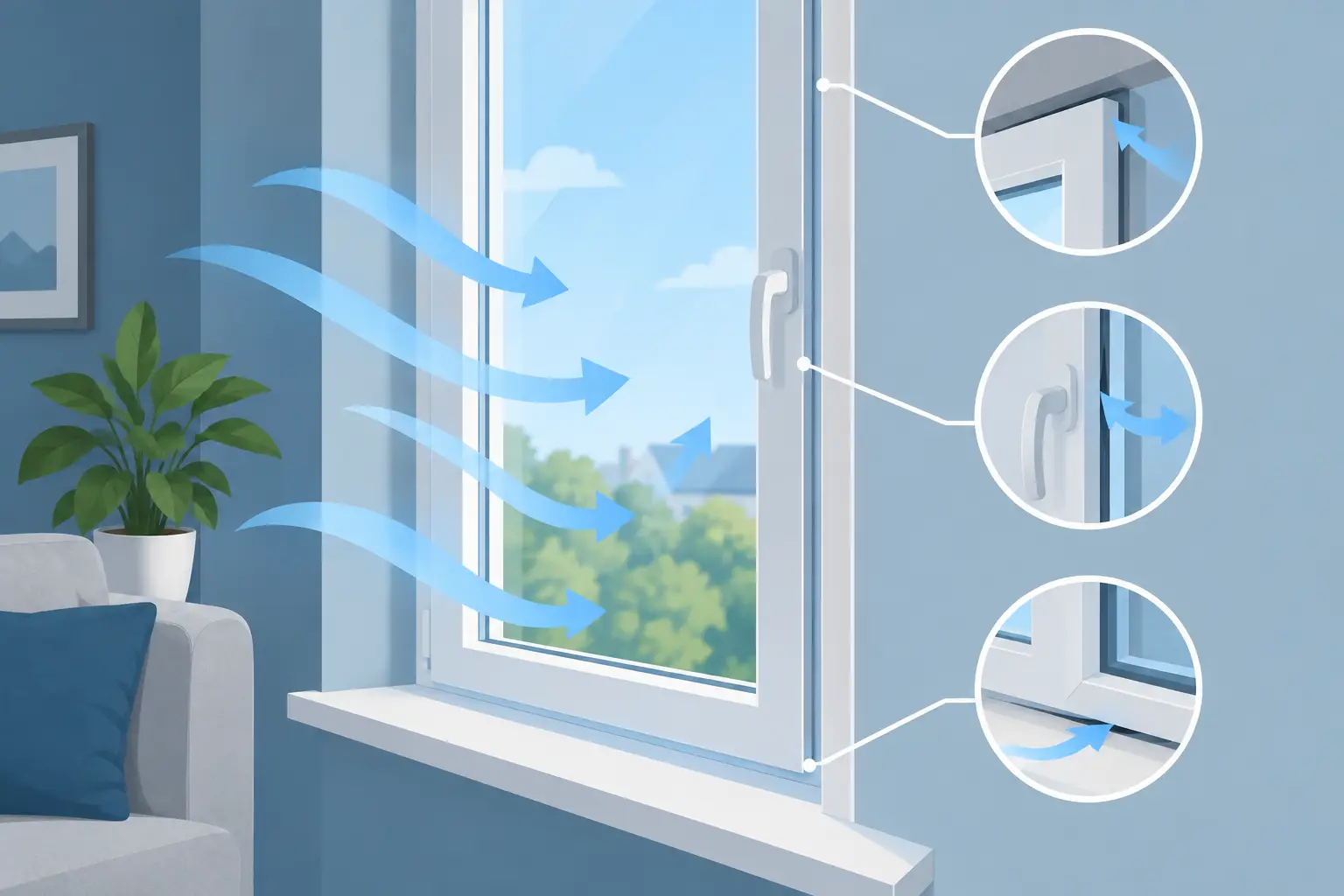
Vinyl remains a popular choice because it offers good durability at a reasonable price. It is available in a wide range of colors and profiles, and it can give homeowners a clean, updated look without pushing the budget too far. Insulated vinyl products cost more than standard options, but they can improve thermal performance and help reduce drafts in some homes.
Fiber cement generally costs more to install because the material is heavier, more labor-intensive, and requires specialized handling and cutting. Many homeowners like the appearance and the solid feel, but it is not always the most cost-effective option for every house.
Engineered wood and composite siding can also raise the project cost, depending on the brand and design. These products may appeal to homeowners who want a more premium finish or a specific architectural style. The trade-off is a higher investment and, in some cases, a more involved installation process.
If budget is the priority, vinyl is often the practical choice. If appearance or product preference is the main goal, spending more on a premium material may make sense. The right answer depends on how long you plan to stay in the home, the style of the property, and the condition of the existing exterior.
Why labor and installation quality matter
Siding is only as good as the crew installing it. That may sound simple, but it is where many homeowners get caught off guard. Two quotes can look similar on paper while the actual installation standards are very different.
Good installation includes more than attaching panels to the wall. It means properly preparing the surface, addressing damaged sheathing, installing moisture barriers where needed, flashing around windows and doors, and making sure the finished product can expand and perform as intended. These details protect the structure and help the siding last.
That is one reason experienced, certified installers matter. A professional crew can identify problems early, complete the work efficiently, and deliver a finished result that looks right and holds up. Paying for quality labor up front often prevents repair bills later.
Hidden costs homeowners should ask about
Many siding quotes start with material and installation, but there can be additional costs that change the final price. Old siding removal is one common example. If the existing exterior has multiple layers or is difficult to remove, disposal and labor costs can increase.
Wall repairs are another major variable. Once old siding comes off, contractors may find water damage, rot, insect damage, or deteriorated sheathing. These issues need to be repaired before new siding goes on. It adds cost, but it is the right way to protect the home.
Trim replacement can also affect the budget. Fascia boards, window trim, rake boards, and exterior accents often need updating along with the siding. If you are planning a full exterior refresh, it is smart to price those elements together instead of treating them as afterthoughts.
Some homeowners also choose to include gutters, replacement windows, or exterior doors during the project. Combining services can improve the finished look and reduce future disruption, but it will raise the total investment.
Siding installation cost and long-term value
The lowest quote is not always the best value. Siding should last for years, and the job affects more than appearance. It plays a direct role in weather protection, energy efficiency, and the overall condition of the home envelope.
When siding is installed correctly with quality materials, homeowners often see benefits beyond curb appeal. Draft reduction, less maintenance, improved moisture control, and better resale presentation can all make the investment worthwhile. A well-done project can also reduce the chance of larger structural repairs caused by ongoing exterior exposure.
This is where it helps to think beyond initial cost. Spending a little more for better products or better workmanship can make sense if it means fewer problems, stronger performance, and a cleaner finish that holds up over time.
How to compare siding quotes the right way
If you are reviewing multiple estimates, compare more than the bottom-line price. Look at what is included and what is not. One contractor may price basic panel installation, while another includes removal, wrap, trim, flashing updates, and repair allowances.
Ask whether the quote covers disposal, permits if needed, trim materials, insulation upgrades, and any expected repairs. Confirm the product line being used, the warranty coverage, and who will actually perform the installation. A quote that seems higher may be more complete and more reliable.
It also helps to look at timing and communication. Homeowners want projects done on schedule and done right. A dependable contractor should be clear about scope, realistic about conditions that may affect price, and straightforward about what happens if hidden damage is found during the work.
For Connecticut homeowners, local experience matters too. Homes in this region deal with seasonal weather, moisture, wind, and temperature swings that put exterior materials to the test. Working with an experienced contractor such as Siding Unlimited CT can help ensure the project is priced accurately and installed to perform in local conditions.
When the higher price is worth it
There are times when paying more is the smart move. If your existing siding shows signs of moisture damage, if your trim is failing, or if your home has older exterior details that need careful handling, a more thorough quote may save money in the long run.
The same applies when energy efficiency is a concern. Better underlayment, insulated siding options, and coordinated replacement of nearby exterior components can improve overall performance. That may not always produce the cheapest upfront number, but it can create better value over the life of the home.
A siding project should leave you with more confidence in your home, not more questions about what was skipped. The right investment is the one that gives you dependable protection, strong curb appeal, and workmanship you will not have to second-guess.
Share this post