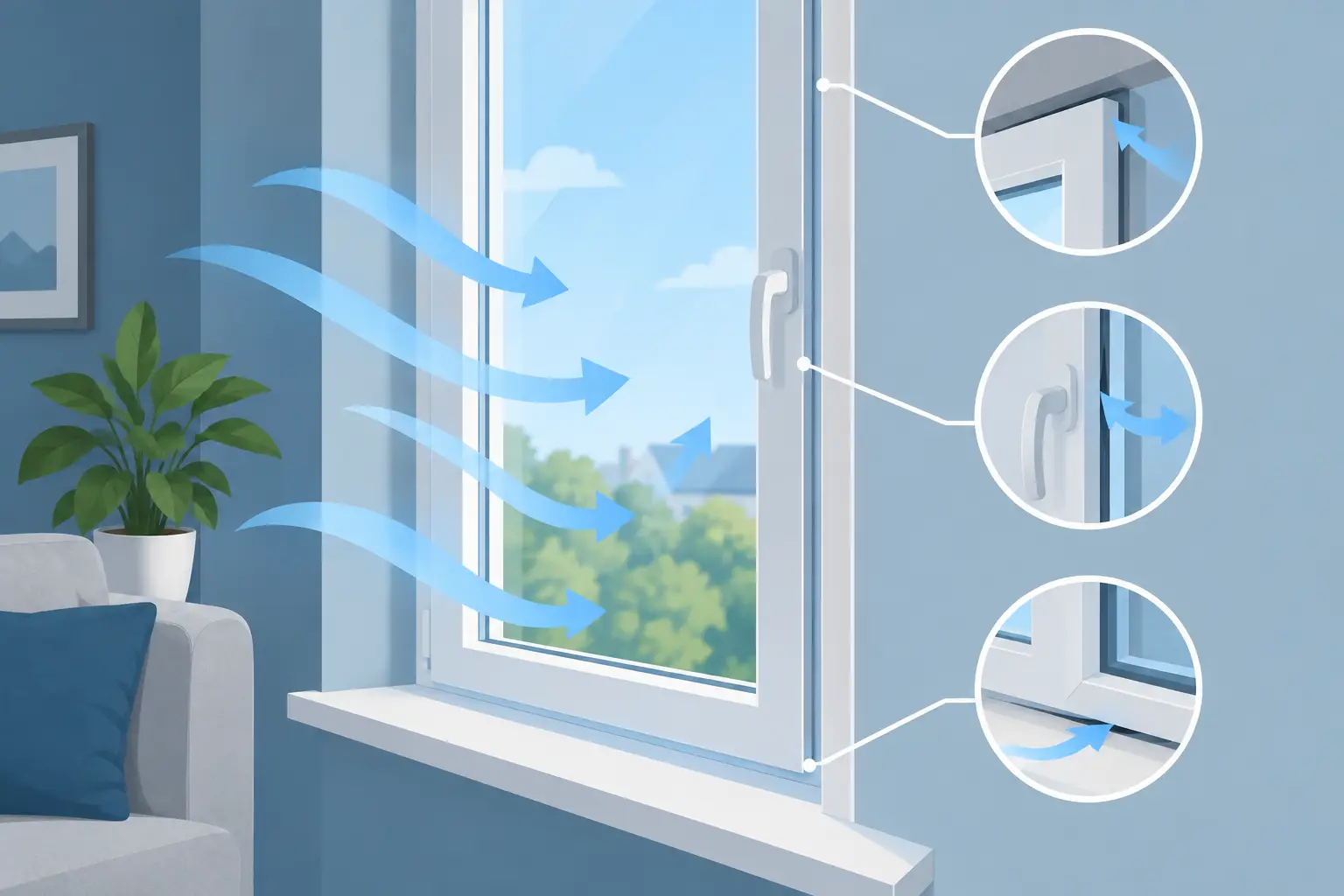
A foggy window is more than a cosmetic annoyance. Window condensation between panes usually means the insulated glass unit has lost its seal, allowing humid air to enter the space that should remain dry and airtight. For Connecticut homeowners, that can mean reduced comfort, less efficient windows, and a view that never looks fully clear again.
The good news is that moisture between panes does not usually mean an emergency. The right next step depends on the age of the window, its condition, the extent of the damage, and whether other windows in the home are showing the same problem. A professional evaluation can help you avoid putting money into a short-term fix when replacement would provide better value.
What Window Condensation Between Panes Means
Most modern replacement windows have two or three panes of glass separated by a sealed air space. That space is often filled with an insulating gas, such as argon, to slow heat transfer between the inside and outside of your home. A perimeter seal holds the unit together and keeps moisture out.
When that seal fails, outside air and humidity can enter the gap. As temperatures change, moisture in that air condenses on the inside surfaces of the glass. You may see a light haze, visible droplets, streaks, or mineral deposits that cannot be wiped away from either side of the window.
This is different from condensation on the room-facing side of the glass. Interior condensation can occur when warm indoor air meets a cold window surface, especially during a Connecticut winter. It may point to high indoor humidity, limited ventilation, or poor window performance, but it can often be addressed by adjusting humidity levels and airflow. Moisture trapped between panes, however, points to a sealed-unit problem.
Why Window Seals Fail
Window seals are built to withstand years of weather changes, but no sealed glass unit lasts forever. Connecticut homes experience hot, humid summers, freezing winters, heavy rain, and repeated temperature swings. That expansion and contraction places steady stress on window components.
Age and normal wear
Older windows are more likely to develop seal failure as the materials gradually weaken. Even a quality window can eventually reach the end of its useful service life, particularly if it faces intense sunlight or severe weather.
Installation issues
Poor installation can contribute to premature problems. If a window is not level, properly flashed, insulated, or secured, the frame can shift over time. That movement may place pressure on the glass unit and seals. Professional installation matters because the window, surrounding opening, trim, siding, and flashing all need to work together to keep out water and drafts.
Physical damage and frame movement
A cracked pane, an impact near the edge of the glass, or a warped window frame can compromise the seal. Water intrusion around the window opening can also damage surrounding materials and cause the frame to move. In these cases, the fogging may be only one sign of a larger issue that deserves attention.
Failed components or manufacturing defects
Some windows fail earlier than expected because of defective seals or spacer systems. If the windows are relatively new, check whether the manufacturer warranty is still active. Keep in mind that product warranties often differ from labor coverage, so it is wise to understand what portion of the repair or replacement may be covered.
Why a Failed Seal Matters to Your Home
The first concern for many homeowners is appearance. Cloudy glass blocks natural light and takes away from the clean look of a home, inside and out. That matters in living rooms, kitchens, bedrooms, and any area where you want to enjoy the view.
There is also an energy-efficiency concern. Once the seal fails, the insulating gas may escape and the glass unit can lose part of its thermal performance. The window may feel colder during winter or warmer during summer, making the room less comfortable and placing more demand on your heating and cooling system.
A failed seal does not automatically mean the entire window is leaking water into the wall. Still, it should not be ignored. If you also notice drafts, damaged wood trim, staining, soft drywall, peeling paint, or water around the sill, the problem may extend beyond the insulated glass. Those symptoms call for a prompt professional inspection.
What to Do When You See Fogging Between Glass Panes
Start by confirming where the moisture is located. Clean both accessible surfaces of the window. If the haze or droplets remain trapped inside the glass unit, the seal has likely failed. Take a few clear photos and note whether the issue appears only in certain weather conditions or remains visible all the time.
Next, look at the window as a whole. Open and close it to see whether it operates smoothly. Check for drafts around the frame, visible frame damage, loose trim, or signs of moisture near the sill. If only one glass unit is fogged and the frame is otherwise solid, replacing the insulated glass unit may be an option.
Avoid drill-and-vent services that promise to remove the fog without replacing the glass. These methods may temporarily improve visibility, but they do not restore the original sealed construction or insulating gas. Results can be inconsistent, and the window may fog again. For homeowners who want a lasting solution, repairing the unit correctly or replacing the window is typically the better investment.
When Window Condensation Between Panes Calls for Replacement
Glass-only replacement can make sense when the window is fairly new, the frame is in excellent condition, and a matching insulated glass unit is available. This approach can be more affordable than a full window replacement, but it is not always the right answer. The surrounding frame, weatherstripping, balances, locks, and installation condition still affect how the window performs.
Full replacement is often the smarter choice when the windows are older, difficult to operate, drafty, damaged, or showing condensation in several rooms. It may also be the better option when the existing units have single-pane glass, deteriorated frames, or outdated insulation performance. Replacing multiple failing windows at one time can create a more consistent appearance and improve comfort throughout the home.
A window contractor should assess more than the fogged pane. The evaluation should include the condition of the frame, the window opening, exterior trim, caulking, siding around the opening, and any evidence of water intrusion. A quality installation is just as important as the window itself. Even premium products cannot perform as intended if they are not installed correctly.
Choose a Solution Built for Connecticut Weather
Connecticut homeowners need windows that stand up to winter cold, summer humidity, wind-driven rain, and daily temperature changes. Energy-efficient replacement windows can help reduce drafts, improve indoor comfort, and give your home a cleaner, more updated appearance. The best choice depends on your budget, the style of your home, and the condition of the existing openings.
Look for an experienced contractor that provides a clear assessment rather than a one-size-fits-all answer. You should understand whether glass replacement is practical, what full replacement involves, and how the work will protect the exterior of your home. Certified installation crews, reliable scheduling, and quality materials make a noticeable difference in the finished result.
If fogged glass is affecting your view, comfort, or confidence in your windows, schedule an evaluation before the issue grows into a larger exterior repair. Siding Unlimited CT can help homeowners assess failing windows and choose a durable replacement solution that fits the home and the budget. Clear glass and a properly sealed window are small details that make every room feel more comfortable.
Share this post