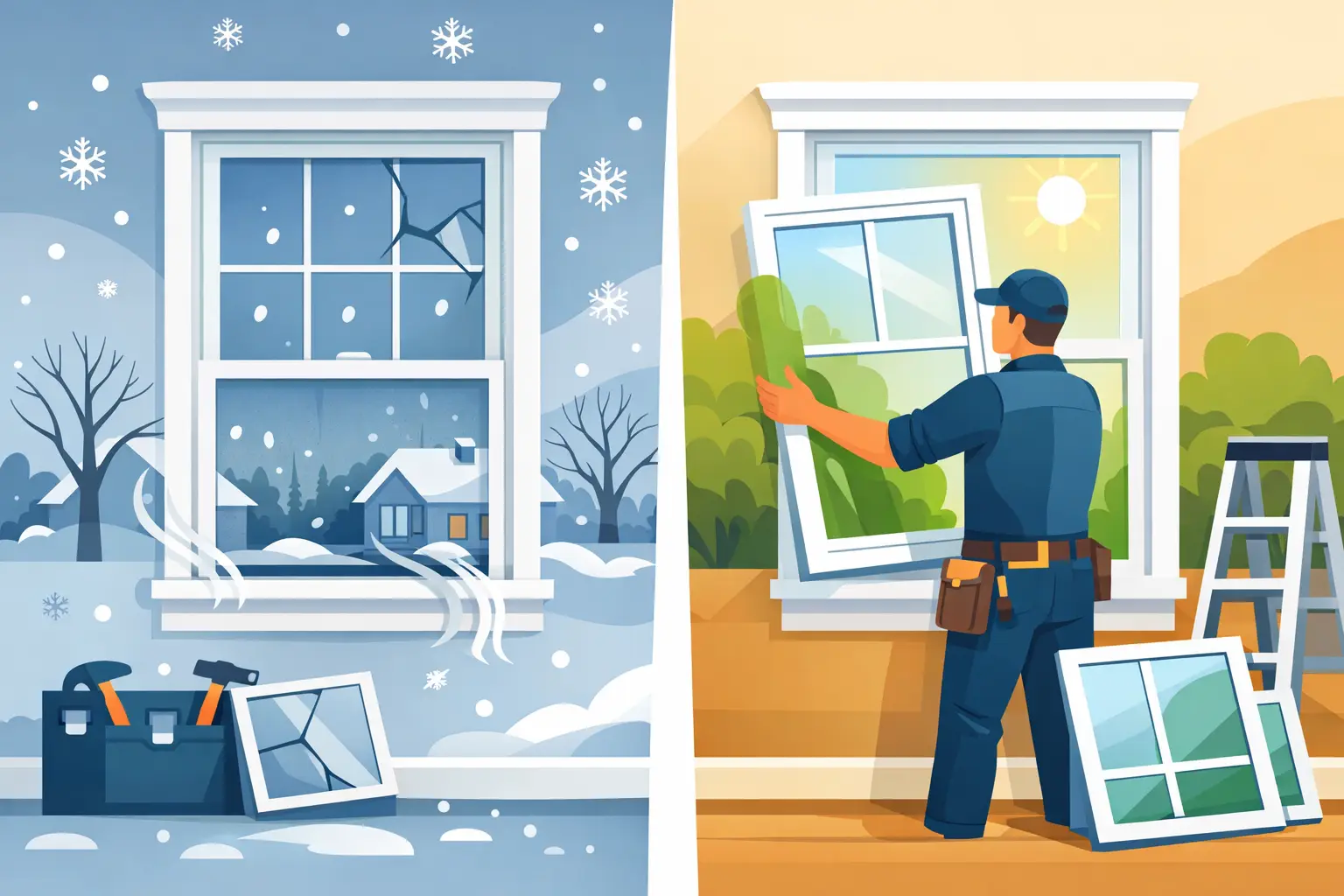
A cold draft near the living room window, condensation trapped between panes, or a frame that will not stay open are more than small annoyances. They can signal that your home is losing energy, comfort, and protection from Connecticut weather. If you are asking when should windows be replaced, the answer usually comes down to their condition, performance, and the cost of continuing to repair them.
A quality replacement window is not simply a cosmetic upgrade. Properly selected and professionally installed windows can reduce drafts, improve indoor comfort, refresh curb appeal, and help protect your home from rain and wind. The right time to replace them is before minor problems turn into moisture damage, high utility costs, or larger exterior repairs.
When Should Windows Be Replaced? Watch for These Signs
Age matters, but it is not the only factor. Some well-maintained windows can last for decades, while others begin to fail sooner because of poor installation, weather exposure, or lower-quality materials. Instead of replacing windows based on age alone, look for clear signs that they are no longer doing their job.
Drafts and uneven room temperatures
If a room feels noticeably colder near the windows in winter or warmer in summer, air may be leaking through the frame, sash, weatherstripping, or surrounding wall opening. You may also notice that your heating and cooling system runs longer than it should.
A minor air leak can sometimes be corrected with targeted maintenance. But if drafts continue after weatherstripping or caulking, or if several windows have the same problem, replacement is often the more dependable long-term solution. New energy-efficient windows installed correctly can create a much tighter barrier between your home and the outdoors.
Condensation between glass panes
Modern insulated windows use multiple panes of glass with a sealed space between them. When that seal fails, moisture can enter and create fogging, haze, or water droplets between the panes. This is different from normal interior condensation that can form on the room-facing side of a window during very cold weather.
Fogged glass cannot be cleaned from the outside or inside because the moisture is trapped within the sealed unit. It also means the window has lost much of its insulating value. Replacing the affected glass unit may be possible in limited cases, but if the window is older or shows other signs of wear, a full replacement can offer better value and more consistent performance.
Windows that stick, sag, or will not lock
A window should open, close, and lock without a struggle. Difficulty operating a window may point to warped frames, damaged hardware, swelling from moisture exposure, shifting in the opening, or worn balances. Beyond the everyday frustration, windows that will not lock properly can create a security concern.
One isolated hardware issue may be repairable. When multiple windows are hard to use, frames are visibly warped, or the sash no longer closes squarely, replacement is usually the practical choice. Operable windows also matter for ventilation and emergency exit requirements in certain rooms.
Rotting wood, soft frames, and water damage
Peeling paint and surface wear can be normal on older wood windows, but soft spots, cracked trim, stained drywall, or visible rot require prompt attention. Water entering around a window can damage framing, insulation, siding, and interior finishes long before the full problem is visible.
Do not assume the window itself is the only issue. A professional inspection should determine whether the problem comes from the window, failed flashing, damaged exterior trim, siding details, or an installation issue. Replacing a window without addressing the source of water can lead to the same problem again.
Rising energy bills without a clear reason
Utility costs naturally change with energy rates and seasonal temperatures. Still, if heating or cooling costs have continued to rise and your older windows feel cold to the touch, leak air, or show failed seals, they may be contributing to the problem.
Replacement windows are not a magic fix for every high energy bill. Insulation, attic ventilation, doors, roofing, and HVAC equipment all affect home efficiency. But windows are a significant part of the home envelope, especially when they are single-pane, poorly sealed, or damaged.
Replacement vs. Repair: How to Make the Right Call
Repair makes sense when the window is structurally sound and the issue is limited. Replacing a broken latch, renewing caulk, repairing a screen, or correcting a small area of trim damage can extend the life of a good window. Homeowners with historic wood windows may also choose restoration when preserving original architectural details is a priority.
Replacement becomes the stronger investment when repairs are frequent, the frame has rot or warping, insulated glass seals have failed, or the windows no longer provide reasonable comfort and efficiency. It also makes sense when several windows are reaching the end of their service life. Addressing them as part of one planned project can provide a more consistent appearance and avoid repeated service calls.
The key trade-off is upfront cost versus ongoing performance. Repair may cost less today, but repeatedly repairing failing windows can become more expensive than installing durable replacements that solve the underlying problem.
Connecticut Weather Makes Window Condition Matter
Connecticut homes face hot, humid summers, freezing winter temperatures, wind-driven rain, and rapid seasonal changes. Those conditions put pressure on window seals, exterior caulk, frames, and the materials around each opening.
Windows on the north and west sides of a home may experience different stresses than windows protected by a porch or roof overhang. Older coastal or inland homes may also have original windows that were never designed for current expectations around efficiency and comfort. A replacement recommendation should account for the home’s age, exposure, siding condition, and how the windows are performing room by room.
This is also why installation quality matters as much as the window product. Even a premium window can underperform if the opening is not properly prepared, insulated, flashed, and sealed. Certified installation crews help ensure the replacement works as intended and that surrounding exterior materials are handled correctly.
What to Look for in Replacement Windows
The best replacement window for your home depends on the opening, your budget, the style of the house, and how you use each room. A window above a kitchen sink may need easy operation, while a large front-facing window may be selected primarily for curb appeal and natural light.
Look for durable frames, insulated glass, dependable weather seals, and options suited to Connecticut’s climate. Low-emissivity glass coatings can help manage heat transfer, while double-pane or other insulated glass configurations can improve comfort compared with older single-pane units. The appropriate features should be matched to your home, not selected based on a one-size-fits-all package.
Appearance deserves attention as well. Replacement windows should complement your home’s exterior color, trim, siding, and architectural style. A clean installation with properly finished exterior trim makes the project look like a lasting improvement rather than an obvious patch.
Plan the Project Before Failure Becomes an Emergency
The best time to replace windows is often before one fails completely. Planning ahead gives you time to compare options, coordinate window work with siding, roofing, or door improvements, and schedule the project around your family’s needs.
If you are replacing siding, it is especially smart to evaluate your windows at the same time. Working on both areas together can make it easier to properly integrate trim, flashing, and exterior details. It can also help create a consistent finished appearance across the home.
Siding Unlimited CT helps Connecticut homeowners evaluate aging windows and complete professional replacement work with a focus on quality, efficiency, and dependable service. An on-site assessment can identify whether your windows need repair, replacement, or attention to the surrounding exterior materials.
A window that is drafty, fogged, damaged, or difficult to operate rarely improves with time. Addressing the issue while it is still manageable protects your comfort now and gives your home a stronger, better-looking exterior for the years ahead.
Share this post