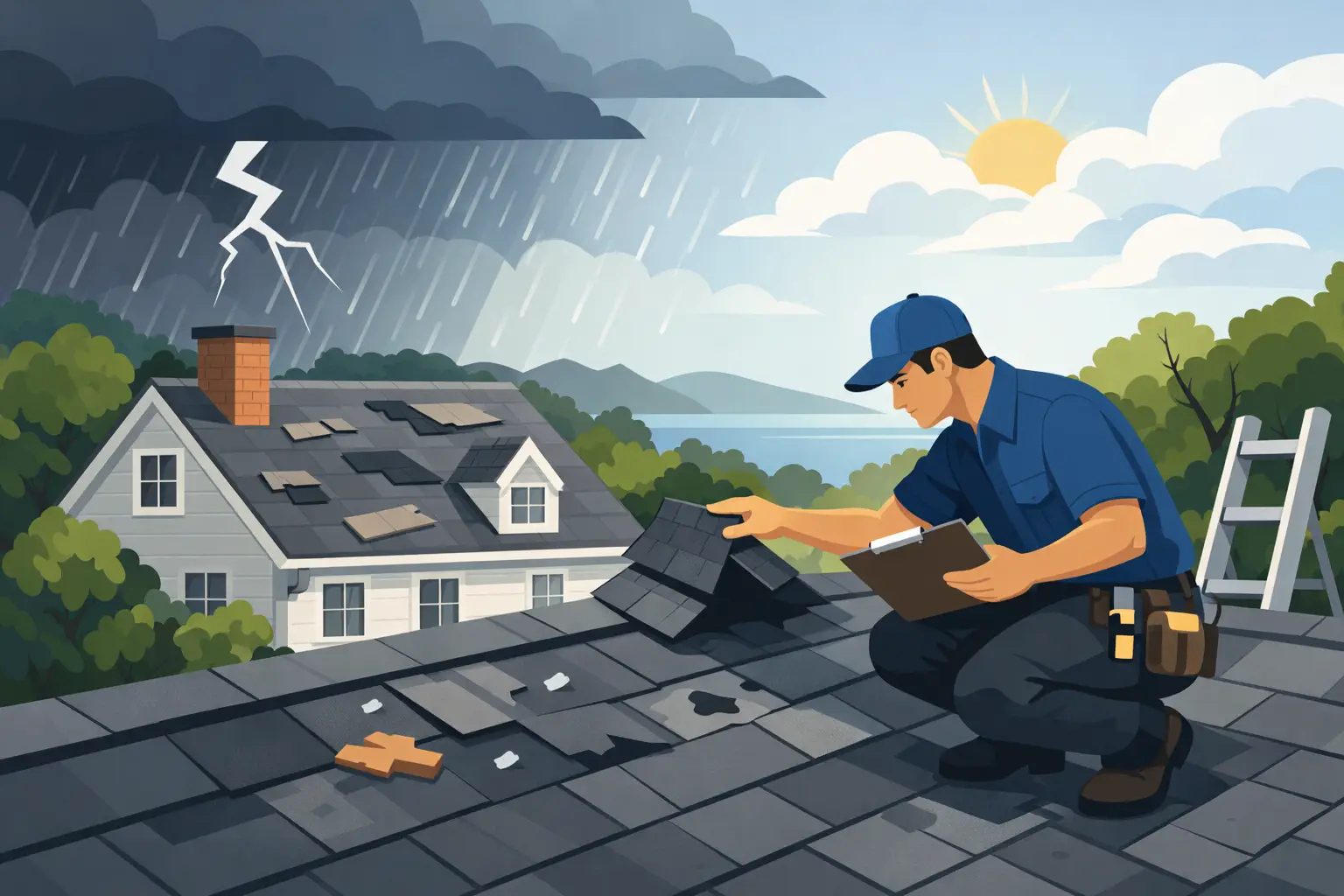
A loose panel after a Connecticut winter may look like a small exterior problem, but siding is part of your home’s protective envelope. When it begins to fail, water, wind, and outside air can reach places they do not belong. If you are asking, what are signs of siding failure, the right time to inspect is before a minor issue becomes hidden wall damage or a larger replacement project.
Siding does not always fail all at once. Some problems are easy to see from the driveway, while others show up as drafts, rising energy costs, or moisture inside the home. Knowing what to look for helps you make a confident decision about repair or replacement.
What Are Signs of Siding Failure?
1. Cracks, holes, or missing sections
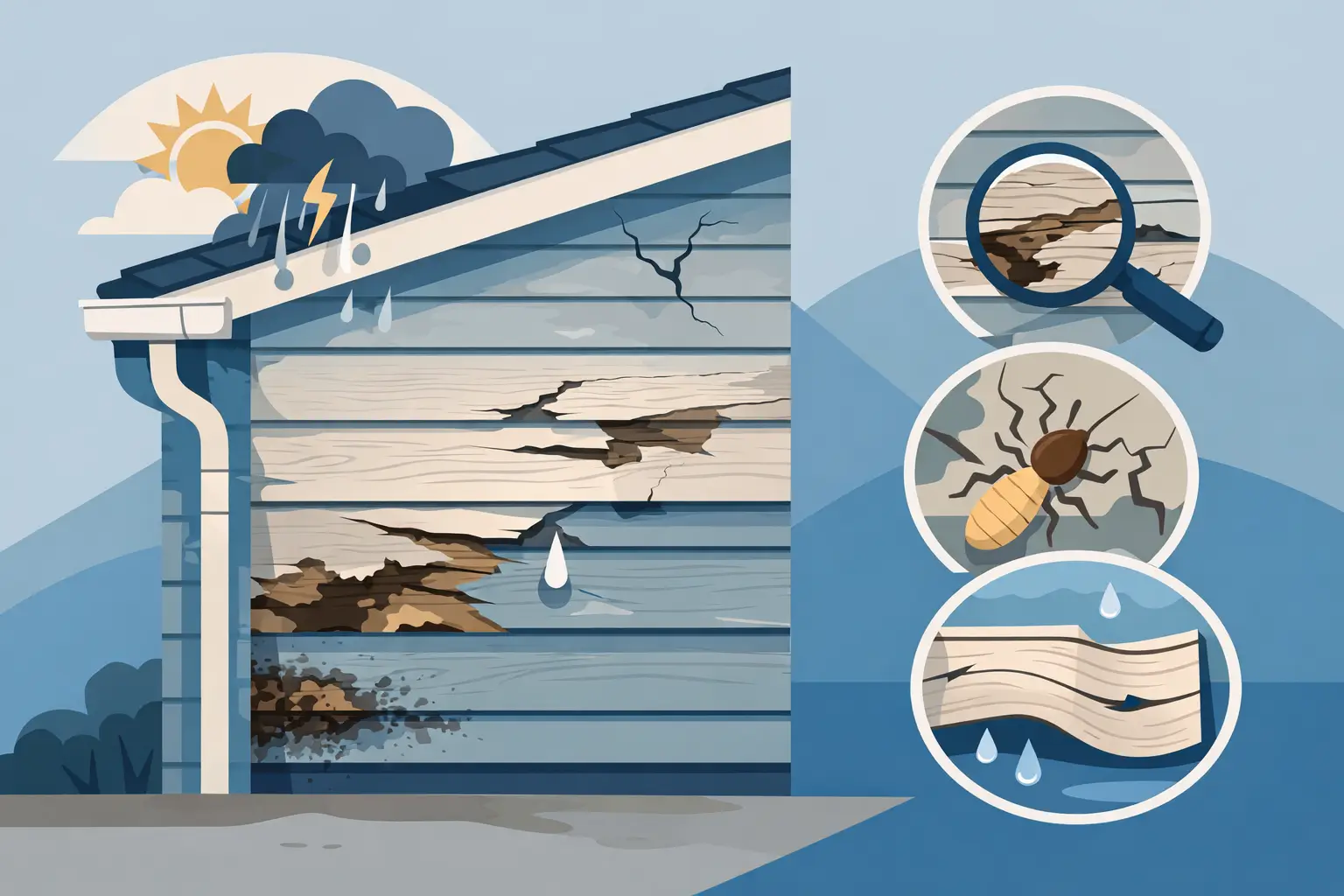
Cracked siding is one of the clearest warning signs. Small cracks can result from age, impact, extreme temperature changes, or shifting materials. Holes may be caused by storm debris, pests, lawn equipment, or repeated impact near walkways and driveways.
Any opening in the siding can allow moisture behind the exterior surface. Even if the damage seems limited to one area, water can travel behind the panels and affect sheathing, insulation, and framing. A professional inspection can determine whether a localized repair is enough or whether the damage extends farther than it appears.
2. Warping, buckling, or loose panels
Siding should sit flat and secure against the home. Panels that bow outward, ripple, buckle, or pull away from the wall often indicate a problem with the material, the installation, or moisture behind the siding.
Vinyl siding can warp when exposed to excessive heat, including reflected sunlight from certain windows. It can also buckle when it was installed too tightly and cannot expand or contract with temperature changes. Wood siding may distort after prolonged moisture exposure. In either case, loose or misshapen panels should not be ignored because they can leave the wall vulnerable to wind-driven rain.
3. Rot, soft spots, or crumbling material
Wood siding can rot when moisture repeatedly reaches the material and does not have a chance to dry properly. Areas near rooflines, chimneys, windows, doors, gutters, and ground level are especially worth checking. Pressing gently on suspicious areas may reveal softness, but homeowners should avoid probing aggressively and causing additional damage.
Rot is not limited to wood siding. Fiber cement, engineered wood, trim boards, and the materials behind vinyl siding can also deteriorate if water enters through failed flashing, seams, or caulking. A soft wall area, crumbling trim, or darkened board deserves prompt attention.
4. Faded color and a worn surface
Sun exposure eventually affects nearly every siding material. Some fading is cosmetic and does not mean the siding has failed. However, severe, uneven fading or a chalky surface can signal that the protective finish is breaking down.
When siding loses its protective coating, it may become more vulnerable to moisture, cracking, and weather damage. If your home looks noticeably dull compared with neighboring homes of a similar age, it may be time to evaluate whether cleaning, repainting, repair, or replacement offers the best long-term value.
5. Peeling paint, loose wallpaper, or stains indoors
Exterior siding problems can create interior clues. Peeling paint, bubbling drywall, water stains, or wallpaper that separates from an exterior wall may point to moisture intrusion. These issues can also come from roof leaks, window leaks, plumbing, or condensation, so the source needs to be identified professionally.
Do not assume an interior stain is only a cosmetic problem. Moisture trapped inside wall cavities can lead to damaged insulation, wood rot, and mold growth. The sooner the source is found, the more options you may have for preventing extensive repairs.
6. Higher heating and cooling bills
A sudden jump in utility costs does not automatically mean your siding needs replacement. Aging windows, attic insulation, HVAC performance, and air leaks around doors can all contribute. Still, damaged siding and failed exterior details can allow drafts and moisture to compromise the insulation behind your walls.
Pay attention if higher bills come with rooms that feel colder in winter, hotter in summer, or noticeably drafty near exterior walls. A complete exterior assessment should consider siding, windows, doors, roofing, gutters, and flashing because these systems work together to protect the home.
7. Mold, mildew, or recurring algae growth
Dark streaks or green growth on siding may be surface-level algae, particularly on shaded sides of the house. In many cases, careful cleaning can restore the appearance. But recurring mildew, black staining, or growth concentrated around seams and trim may indicate that water is not draining or drying as it should.
Mold or mildew inside the home is a more serious concern. It can be connected to exterior moisture intrusion, though a contractor should inspect the wall and surrounding components before drawing conclusions. Proper drainage, sound gutters, correctly installed flashing, and well-maintained siding all play a role in keeping moisture out.
8. Failed caulking and gaps around openings
Look closely at the siding around windows, doors, utility lines, vents, and exterior trim. Cracked caulk, open seams, and visible gaps can create direct paths for water and air. These details are small, but they are critical to the performance of the entire exterior.
Caulking does not last forever, especially in Connecticut’s changing weather. It expands, contracts, dries out, and can separate from surfaces over time. Recaulking may solve an isolated issue, but widespread failed seals often accompany aging siding or problems with the original installation.
9. Insect activity or pest damage
Wood-destroying insects and other pests are attracted to damp, deteriorating exterior materials. Small holes, sawdust-like debris, damaged wood trim, or repeated insect activity near the same wall should be investigated. Birds and rodents can also enter through gaps behind loose siding or damaged soffits.
Pest activity does not always mean the siding itself is the original cause. However, damaged siding can provide access, and moisture behind the exterior can create favorable conditions. Addressing the entry point is just as important as treating the pest problem.
10. Siding that is near or beyond its expected service life
Every siding material has a different lifespan, and actual performance depends on product quality, installation, maintenance, weather exposure, and previous repairs. Vinyl can last for decades, while wood may require more frequent upkeep. Fiber cement is highly durable, but it still depends on proper installation and maintenance of joints, trim, and paint.
If your siding is older, has been repaired several times, or shows multiple issues across different sides of the home, replacement may be more practical than continuing to patch it. A new siding system can improve curb appeal, reduce maintenance demands, and support better energy performance when installed correctly.
When Repair Makes Sense and When Replacement Is Better
Repair can be the right choice when the damage is limited, the surrounding siding is still in good condition, and a matching material is available. Replacing a few damaged boards or panels, correcting a small flashing issue, or resealing trim can protect the home without requiring a full project.
Replacement is often the stronger investment when damage is widespread, moisture has reached the wall system, the siding is significantly aged, or repairs have become repetitive. It can also make sense when homeowners want to update the appearance of the home, improve insulation details, or coordinate new siding with replacement windows, gutters, or roofing.
The key is not to judge the condition by one cracked panel alone. A professional contractor should inspect the siding, trim, flashing, gutters, roof transitions, and areas around windows and doors. This provides a clearer picture of where water or air may be entering and what work is truly needed.
Do Not Wait for Visible Water Damage
The most expensive siding problems are often the ones hidden behind a surface that still looks mostly acceptable. Waiting until walls feel soft, stains appear indoors, or panels begin falling off can turn a manageable exterior project into a more extensive repair.
Siding Unlimited CT helps homeowners evaluate aging or damaged exterior systems with straightforward recommendations and professional installation. If you have noticed more than one of these warning signs, schedule an inspection before the next season puts more stress on your home. A timely assessment can help protect your home, your comfort, and the value of the work you invest in.
Share this post