A siding project is not just about giving your home a cleaner, newer look. It is about protecting the structure beneath it from Connecticut rain, snow, wind, humidity, and seasonal temperature swings. The right residential siding contractors understand that every detail matters, from removing damaged materials to sealing windows, trim, and penetrations correctly.
For homeowners, the goal is straightforward: get durable siding installed professionally, on schedule, and at a reasonable price. Choosing a contractor with the right experience can make the difference between an exterior that performs for decades and one that develops problems long before it should.
What a Professional Siding Contractor Should Handle
A quality siding replacement is a complete exterior project, not simply new panels attached over an old surface. Before installation begins, an experienced contractor should inspect the condition of the existing siding, wall sheathing, trim, flashing, and areas around windows and doors. Hidden moisture damage, soft wood, gaps, and failed caulking need attention before new siding covers the wall.
This preparation protects your investment. Installing new siding over an unresolved leak or damaged sheathing can trap moisture behind the exterior. The home may look finished on the day the crew leaves, but the underlying issue can continue to grow.
Professional installation also includes proper house wrap or weather-resistant barriers where needed, correctly installed flashing, secure fasteners, finished trim, and clean transitions around doors, windows, rooflines, and utility openings. These details help control water and air movement while giving the home a polished appearance.
A contractor should also provide a clear plan for removing old materials and cleaning the property at the end of the job. Homeowners should not have to guess what is included in the quote or what condition their yard and driveway will be in after construction.
Signs Your Home May Need New Siding
Siding does not always fail in one obvious spot. Some warning signs are cosmetic, while others point to a deeper moisture or insulation concern. If you notice one issue, a repair may be enough. If several are present across different sides of the home, replacement may offer better long-term value.
Watch for these common signs:
- Cracked, warped, loose, or missing siding panels
- Bubbling, peeling paint, or discoloration that returns after repainting
- Rotting trim, soft spots, or visible damage near windows and doors
- Higher heating and cooling bills without another clear cause
- Mold, mildew, or persistent moisture marks on exterior walls
- Fading and wear that noticeably reduces curb appeal
Not every problem requires a full siding replacement. A small area damaged by impact, wind, or a localized leak may be repairable if matching materials are available and the surrounding siding remains sound. However, older siding with widespread wear can make repeated repairs less practical. A professional inspection helps determine whether repair or replacement makes more financial sense.
How to Compare Residential Siding Contractors
Price matters, but the lowest quote is not always the lowest cost. An unusually low estimate may exclude tear-off, damaged wood replacement, disposal, trim work, permits, or the weatherproofing steps that protect the home. Ask each contractor to explain exactly what the estimate covers.
Start by looking for experience with the type of siding you want. Vinyl siding, fiber cement, engineered wood, and other products have different installation requirements. A contractor should be familiar with the manufacturer guidelines for the materials being used, including expansion allowances, fastening methods, trim systems, and ventilation considerations.
Insurance, licensing requirements, and crew qualifications should also be part of the conversation. You are hiring people to work on one of the most important protective systems of your home. Professional crews should arrive prepared, communicate clearly, and treat your property with respect.
It is also reasonable to ask how the contractor handles unexpected conditions. Exterior work can reveal deteriorated sheathing, water damage, insect damage, or outdated flashing once the old siding is removed. A dependable contractor will document the issue, explain the recommended repair, and discuss cost before moving ahead. Surprises can happen on renovation projects. Poor communication should not be one of them.
Materials Should Match Your Home and Priorities
There is no single siding material that is right for every Connecticut home. The best choice depends on your budget, maintenance preferences, architectural style, and long-term plans for the property.
Vinyl siding remains a popular option because it offers reliable performance, a wide selection of colors and profiles, and minimal ongoing maintenance. It can be an excellent value for homeowners who want a durable update without the recurring painting needs of wood.
Fiber cement can provide a more traditional painted appearance and strong durability, but it generally comes with a higher installation cost and may require future painting. Engineered wood products can offer the warmth and look of wood with improved consistency and weather resistance, though maintenance needs vary by product.
The right contractor will not push one material for every house. Instead, they should explain the benefits and trade-offs clearly. A home you plan to sell in a few years may call for a different investment than a home you expect to keep for decades.
Why Energy Efficiency Depends on More Than the Siding
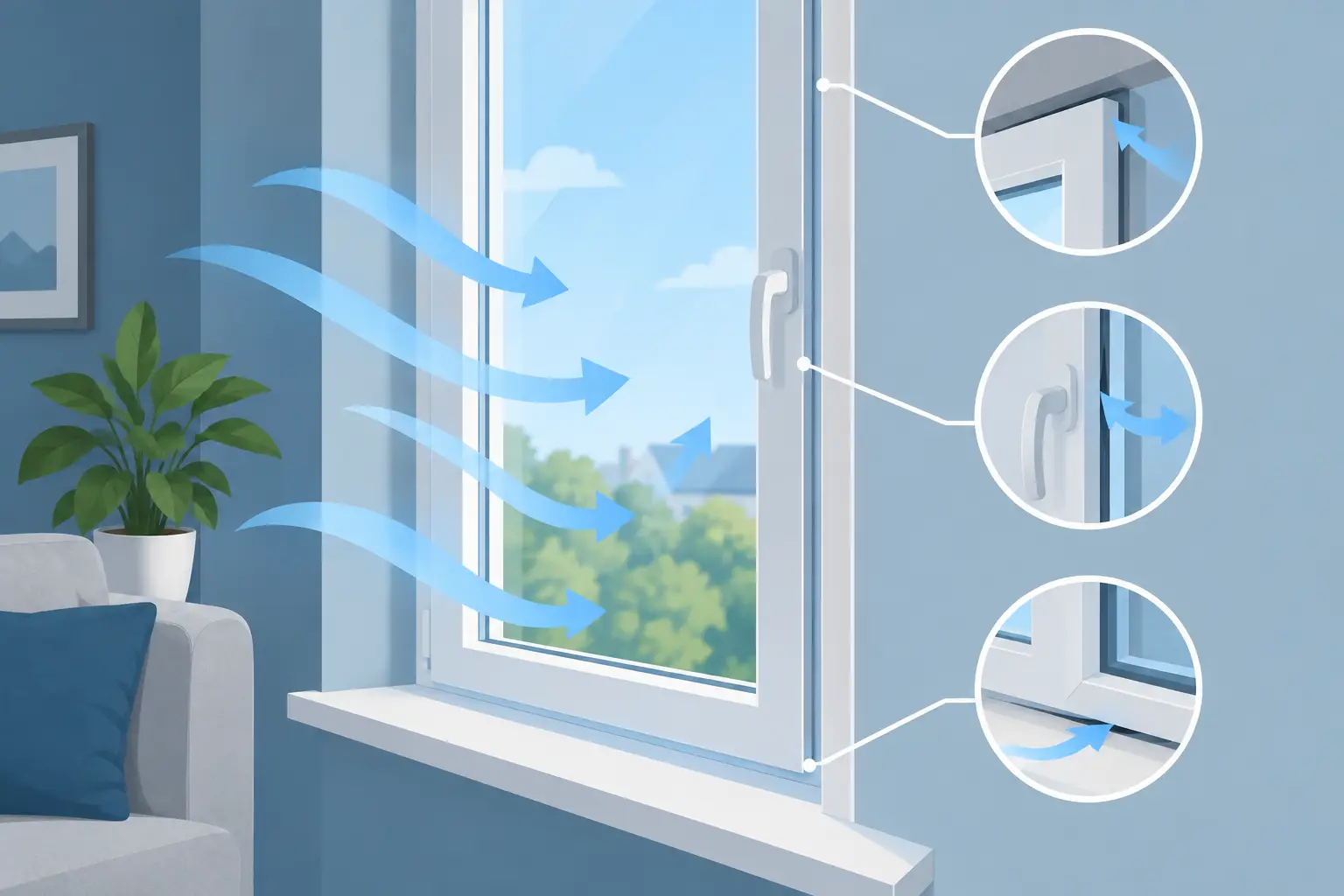
New siding can contribute to better energy performance, especially when the project includes proper weather barriers, air sealing, and insulation improvements where appropriate. Still, siding alone is not a cure for every draft or high utility bill.
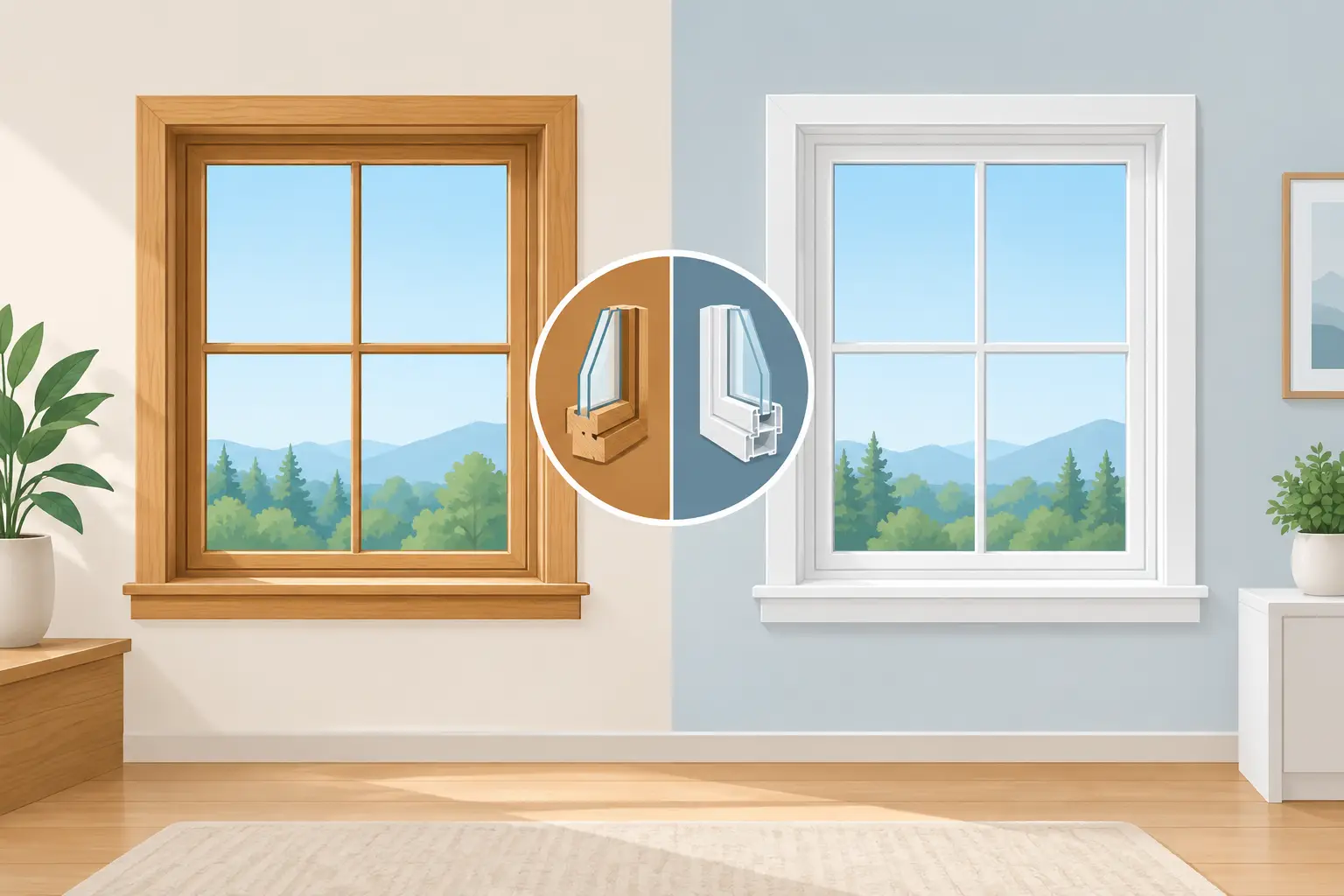
Windows, doors, roofing ventilation, attic insulation, and gaps around exterior openings all affect home comfort. That is why working with a contractor who understands the full exterior envelope can be valuable. Coordinating siding with window replacement, door replacement, gutters, or roof repairs can prevent mismatched details and reduce the chance of redoing finished work later.
For example, if old windows are scheduled for replacement soon, it may be smarter to coordinate that work with new siding. Proper flashing and trim installation are easier when both systems are planned together. The same principle applies to damaged gutters or roofline concerns that could direct water onto new siding.
What a Clear Siding Estimate Should Include
A professional estimate should give you enough information to make a confident decision. It does not need to overwhelm you with technical language, but it should identify the major components of the project.
Look for the siding product and color, the areas being replaced, whether old siding will be removed, trim and accessory work, disposal, preparation and repair allowances, expected project timing, and warranty information. If an item is not included, ask about it before signing an agreement.
The timeline deserves special attention. Weather can affect exterior work, particularly in Connecticut, but an established contractor should still provide a realistic schedule and keep you informed if conditions change. Fast service is valuable when it is supported by careful installation, not when it means rushing past essential preparation.
A Better Experience Starts With the Right Crew
Your siding project should leave your home stronger, more efficient, and more attractive than before. That requires more than quality materials. It requires installers who know how to prepare the exterior, protect the property, solve problems responsibly, and finish the details correctly.
With more than 20 years of exterior renovation experience, Siding Unlimited CT helps Connecticut homeowners address siding needs alongside windows, roofing, gutters, doors, and decks. A detailed quote and a professional on-site assessment give you a practical starting point, whether your home needs a full replacement or a targeted repair. The best next step is to have a qualified contractor look closely at your exterior before small issues become larger repairs.
Share this post