A roof replacement is not a minor cosmetic decision. It affects how your Connecticut home handles snow, wind, rain, summer heat, and the cost of future repairs. When comparing asphalt shingles versus metal roofing, most homeowners are weighing two practical questions: What will the roof cost now, and how well will it protect the home for years to come?
Both materials can be excellent choices when they are installed correctly. Asphalt shingles remain the most common residential roofing material because they are dependable, attractive, and budget-friendly. Metal roofing costs more upfront, but it delivers exceptional longevity and weather resistance. The right answer depends on your home, your budget, and how long you plan to stay in it.
Asphalt Shingles Versus Metal Roofing: The Main Difference
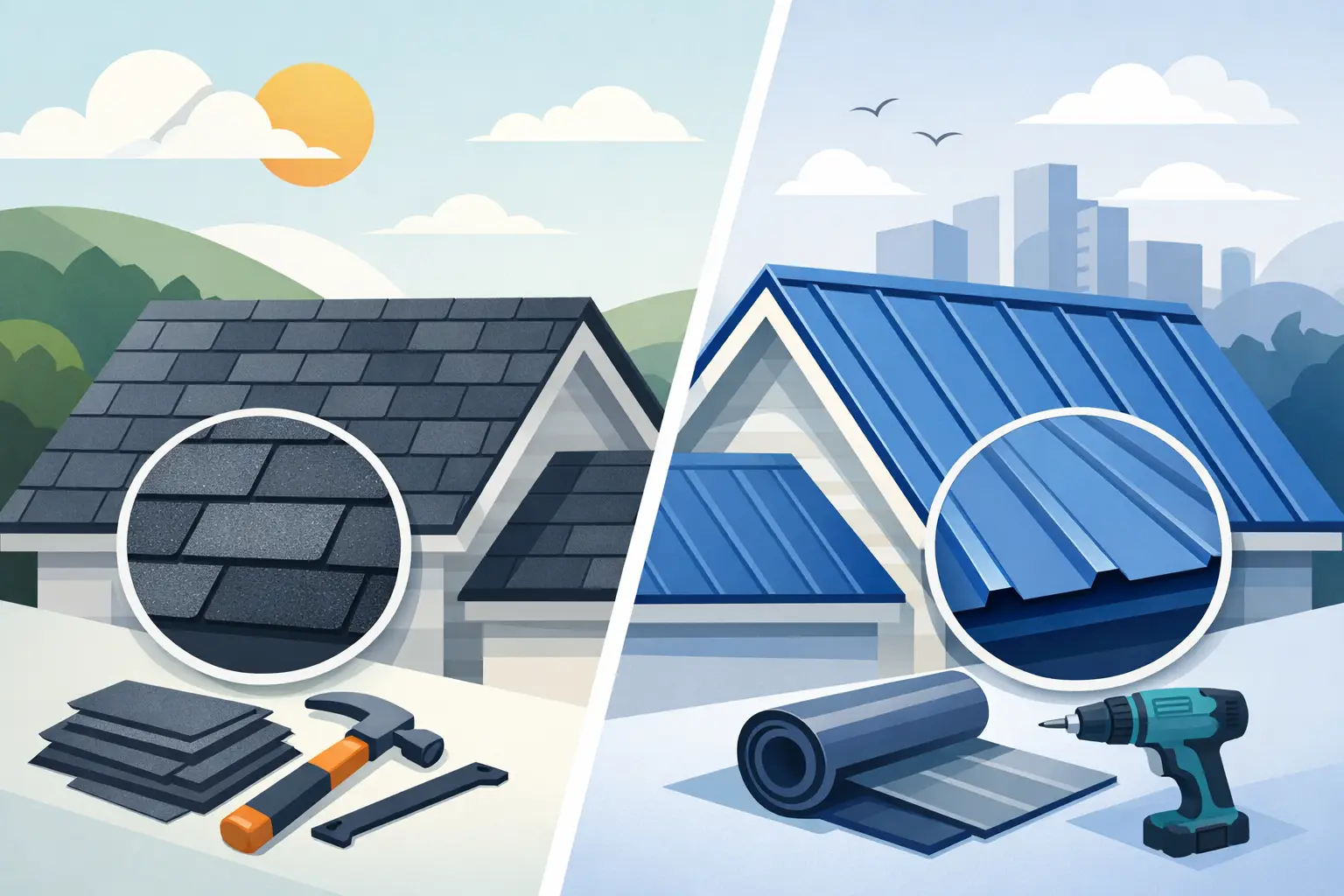
Asphalt shingles are layered roofing products installed in overlapping rows. They are available in many colors and profiles, including architectural shingles that create more depth and dimension than basic three-tab shingles. A quality shingle roof can provide dependable protection and strong curb appeal at a reasonable price.
Metal roofing is typically installed as large panels or interlocking metal shingles. Standing-seam metal roofing, with its raised vertical seams, is a popular premium option for homeowners who want a clean appearance and minimal exposed fasteners. Metal shingles can provide the look of slate, shake, or traditional shingles while offering metal’s long service life.
The primary difference is the ownership timeline. Asphalt shingles are generally the lower-cost replacement option. Metal is generally the long-term investment option. Neither should be selected by price alone, because installation quality, roof design, attic ventilation, and flashing details all play a major role in roof performance.
Upfront Cost and Long-Term Value
For most homeowners, asphalt shingles have the clear advantage on upfront cost. Material costs are lower, installation is more familiar, and repairs are usually straightforward. If you need a roof replacement soon and want high-quality protection without making a major initial investment, architectural asphalt shingles are often the sensible choice.
Metal roofing requires a larger initial budget. The panels, trim components, specialized labor, and installation details can all increase the price. However, a properly installed metal roof may last significantly longer than an asphalt shingle roof. It can be especially appealing for homeowners who expect to remain in their homes for decades or who want to limit the likelihood of another full roof replacement later.
Long-term value is not only about service life. A new roof can improve curb appeal, buyer confidence, and energy performance. The exact return depends on the home, neighborhood, roof style, and condition of the existing exterior. A roof should first solve the protection problem. Added resale value is a benefit, not the only reason to choose a material.
How Each Roof Handles Connecticut Weather
Connecticut roofs face four distinct seasons, including heavy rain, wet snow, freeze-thaw cycles, humid summers, and occasional high winds. Your roofing material must perform in all of them.
Snow, Ice, and Winter Moisture
Metal sheds snow more easily than asphalt shingles because of its smooth surface. That can reduce snow buildup, but it also means snow may slide off in large sheets. Snow guards may be needed above entryways, walkways, decks, or areas where falling snow could create a hazard.
Asphalt shingles hold snow in place more readily, which many homeowners prefer near doors and driveways. Still, snow sitting on a roof can contribute to ice dams if warm air escapes into the attic and melts the lower layer of snow. No roofing material alone prevents ice dams. Proper attic insulation, ventilation, flashing, and water protection at vulnerable roof edges are essential.
Rain and Wind
Both options can protect a home well during heavy rain when installed by experienced professionals. The weak points on any roof are often the details: valleys, chimney flashing, skylights, vents, wall intersections, and roof edges. A premium material cannot make up for poor workmanship in these areas.
Metal roofing performs very well in wind when the panels and fastening system are designed and installed correctly. High-quality architectural shingles also carry strong wind ratings and are a proven choice for Connecticut homes. The roof deck’s condition and the installer’s attention to fastening requirements matter as much as the label on the material.
Heat and Energy Efficiency
Metal can reflect more solar heat than many traditional dark roofing materials, especially when finished with reflective coatings or lighter colors. That may help reduce heat absorption during the summer. However, the energy performance of the entire roof system also depends on attic ventilation and insulation.
Asphalt shingles are available in lighter colors and energy-conscious options as well. Homeowners should not assume that metal automatically produces major utility savings in every home. A professional assessment of the attic, ventilation, and roof assembly gives a clearer picture of where efficiency improvements are needed.
Appearance, Noise, and Everyday Living
Asphalt shingles are versatile. They work naturally with Colonial, Cape Cod, ranch, contemporary, and many other Connecticut home styles. With a broad selection of colors and architectural profiles, shingles can complement existing siding, trim, windows, and gutters without overpowering the home’s design.
Metal roofing has a distinctive, polished look. It can suit modern homes, farmhouses, cottages, and properties where a more upscale architectural statement makes sense. Color selection is important. A roof color should work with the siding and surrounding landscape, not simply stand out on its own.
Homeowners sometimes worry that metal roofs are loud in the rain. In a properly installed residential roof system with sheathing, underlayment, insulation, and attic space, rain noise is typically not a major concern indoors. The sound is different from shingles, but it is not the same as rain hitting a bare metal shed or porch roof.
Maintenance and Repair Considerations
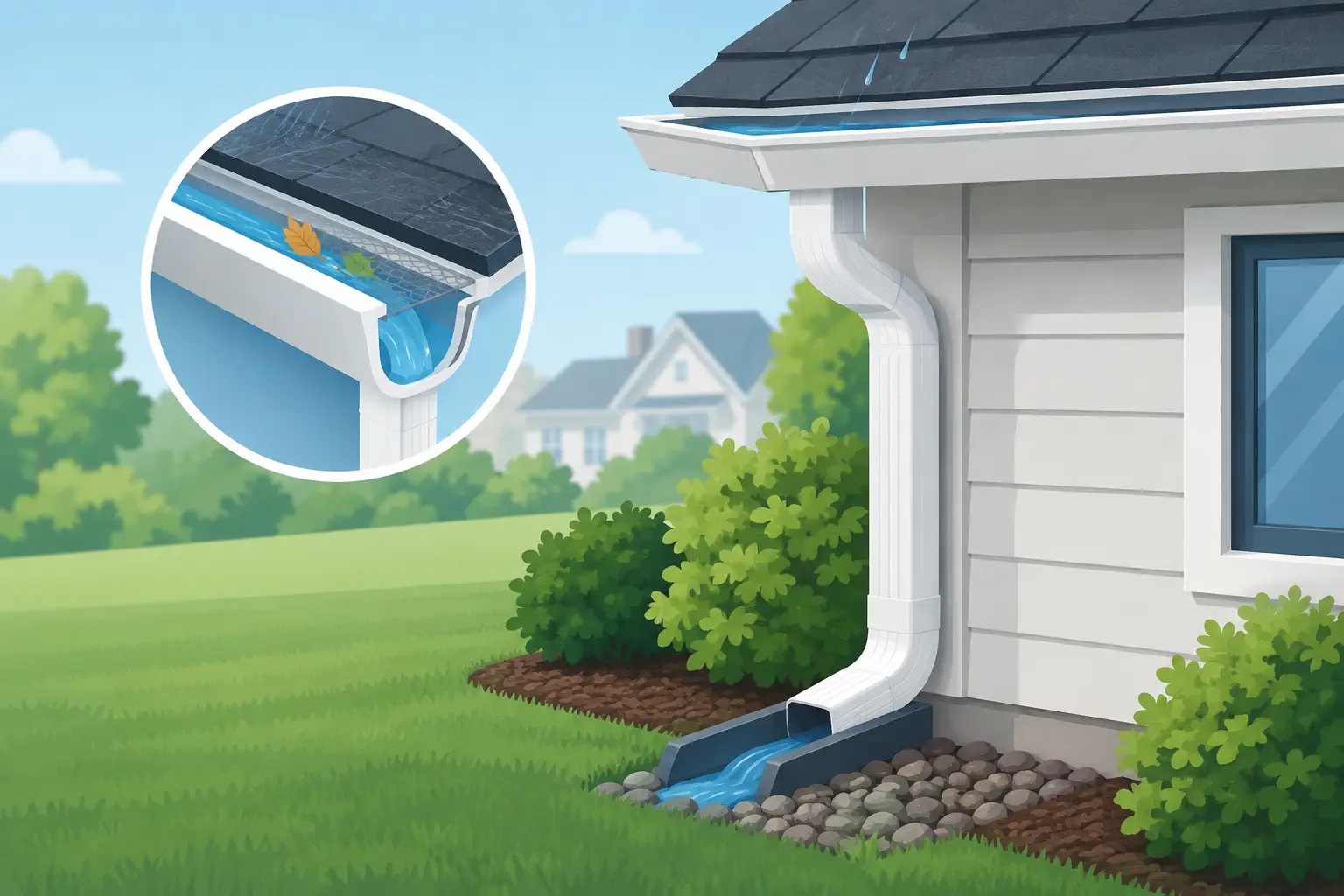
Asphalt shingles need periodic visual checks, particularly after severe storms. Look for missing shingles, loose or damaged flashing, granules collecting heavily in gutters, and areas that appear worn or lifted. Individual damaged shingles can often be replaced, although matching older shingles can become difficult as colors fade over time.
Metal roofing generally needs less routine maintenance, but it is not maintenance-free. Fasteners, sealants, penetrations, flashings, and gutters still need inspection. On exposed-fastener metal systems, fasteners may require attention as the roof ages. Standing-seam systems have fewer exposed fasteners and a cleaner appearance, but they demand precise installation from the beginning.
Repairs to either material should be handled by a qualified roofing contractor. Walking on a roof without the right equipment can damage the material and create a safety risk. A professional inspection is the best way to identify small problems before they become leaks, damaged decking, or interior repairs.
Which Roof Is Right for Your Home?
Asphalt shingles are often the best fit when you want a reliable, attractive roof replacement with a manageable upfront cost. They are also a strong option when you are preparing to sell within the next several years, replacing a roof on a complex design, or matching the look of neighboring homes.
Metal roofing may be the better choice when long service life, wind resistance, low maintenance, and a distinctive appearance justify the higher initial investment. It can be particularly worthwhile on a home you plan to keep long term. It may also make sense for simpler roof shapes where panel installation can be especially efficient.
The condition of the existing roof matters, too. If there is damaged decking, inadequate ventilation, aging gutters, or failing fascia, those concerns should be addressed as part of the project. Installing a new roof over unresolved exterior issues can shorten the life of the new system and lead to avoidable repairs.
Start With a Professional Roof Assessment
The best roofing material is one that fits the home and is installed to a high standard. Before choosing shingles or metal, have the roof structure, decking, ventilation, flashing, drainage, and existing problem areas evaluated. A clear written quote should explain the recommended materials, scope of work, and any necessary repairs before installation begins.
With more than 20 years of exterior renovation experience, Siding Unlimited CT helps homeowners make practical roofing decisions based on their property, priorities, and budget. A careful assessment can turn a difficult material choice into a confident plan for protecting your home through the next Connecticut winter and well beyond.
Share this post