A failing roof rarely waits for a convenient time. A small ceiling stain after a Connecticut storm, shingles collecting in the driveway, or a roof that has reached the end of its expected service life can quickly become a bigger concern. This home roof replacement guide explains what homeowners should look for, how to make sound decisions, and what to expect from a professional replacement.
Roof replacement is not only about stopping leaks. The right roofing system protects the structure beneath it, supports energy efficiency, improves curb appeal, and helps prevent expensive interior damage. The goal is to replace the roof before a manageable project becomes an emergency repair.
Know When Roof Replacement Is the Right Call
Some roofing problems can be repaired. A few missing shingles after high winds, a damaged pipe boot, or a localized flashing issue may not require a full replacement. However, repairs become less practical when problems are widespread, recurring, or tied to the age and overall condition of the roof.
A roof nearing the end of its lifespan deserves a professional inspection, even if it is not actively leaking. Asphalt shingle roofs commonly last around 20 to 30 years, depending on the product, installation quality, ventilation, weather exposure, and maintenance history. Connecticut’s snow, ice, rain, wind, summer heat, and seasonal temperature swings all put pressure on roofing materials over time.
Warning signs that often point toward replacement include curling or cracked shingles, widespread granule loss, bald-looking patches, loose or missing shingles, damaged flashing, and repeated leaks. Dark streaks may be cosmetic algae growth, but they can also make an aging roof look more worn than it is. A contractor should assess the full roof rather than make a recommendation based on one visible issue.
Inside the home, check for water stains on ceilings, peeling paint near exterior walls, damp attic insulation, or a musty attic smell. These signs do not always mean the roofing surface is the only problem. Flashing, ventilation, gutters, and attic moisture can all play a role. That is why a complete evaluation matters.
What a Professional Roof Inspection Should Cover
A dependable roofing quote begins with a careful inspection. Homeowners should expect more than a quick glance from the driveway. The contractor should review the shingle condition, roof penetrations, valleys, flashing, ridge areas, roof edges, ventilation, gutters, and visible signs of decking concerns.
The attic also provides useful information. Moisture staining, mold, inadequate insulation, poor airflow, or daylight showing through the roof deck may reveal problems that are not apparent from the exterior. Proper ventilation is especially important because trapped heat and moisture can shorten shingle life and contribute to ice dam conditions during winter.
A clear estimate should explain the proposed scope of work. That includes whether old roofing will be removed, what underlayment and ice-and-water protection will be used, how flashing will be handled, and whether ventilation upgrades are recommended. It should also identify possible additional costs if concealed deck damage is found after the old roof is removed.
Choosing Materials for a Connecticut Roof
For many homes, architectural asphalt shingles offer the best balance of appearance, durability, and reasonable cost. They are available in a wide range of colors and styles, and quality products can perform well through Connecticut’s changing seasons when installed correctly.
Material selection should fit the home, not just a brochure. A colonial home, cape, ranch, or contemporary property may look best with different shingle colors and profiles. Darker shingles can create a strong, traditional appearance, while lighter tones may better complement certain siding colors and can reduce heat absorption. The right choice depends on the home’s exterior, surrounding landscape, and personal preference.
Premium shingles may offer stronger wind ratings, enhanced visual depth, or extended manufacturer coverage. They can be worthwhile for homeowners planning to stay in the house for years or those looking to improve resale appeal. Still, the most expensive shingle is not automatically the best value. Installation quality, attic ventilation, flashing details, and water protection are just as important as the shingle itself.
Metal roofing is another option for some homes. It can provide long service life and a distinctive appearance, but it usually comes with a higher upfront investment and requires experienced installation. For most Connecticut homeowners seeking a practical, attractive replacement, a professionally installed architectural shingle system remains a strong choice.
The Details That Protect Your Home
A new roof is a system, not simply a layer of shingles. The materials below and around the shingles are what help manage water at vulnerable areas.
Ice-and-water protection is particularly valuable along eaves, valleys, and other areas where snow and ice can create backup risks. Underlayment adds another layer of defense across the roof deck. Proper flashing around chimneys, skylights, walls, and plumbing vents directs water away from openings where leaks often begin.
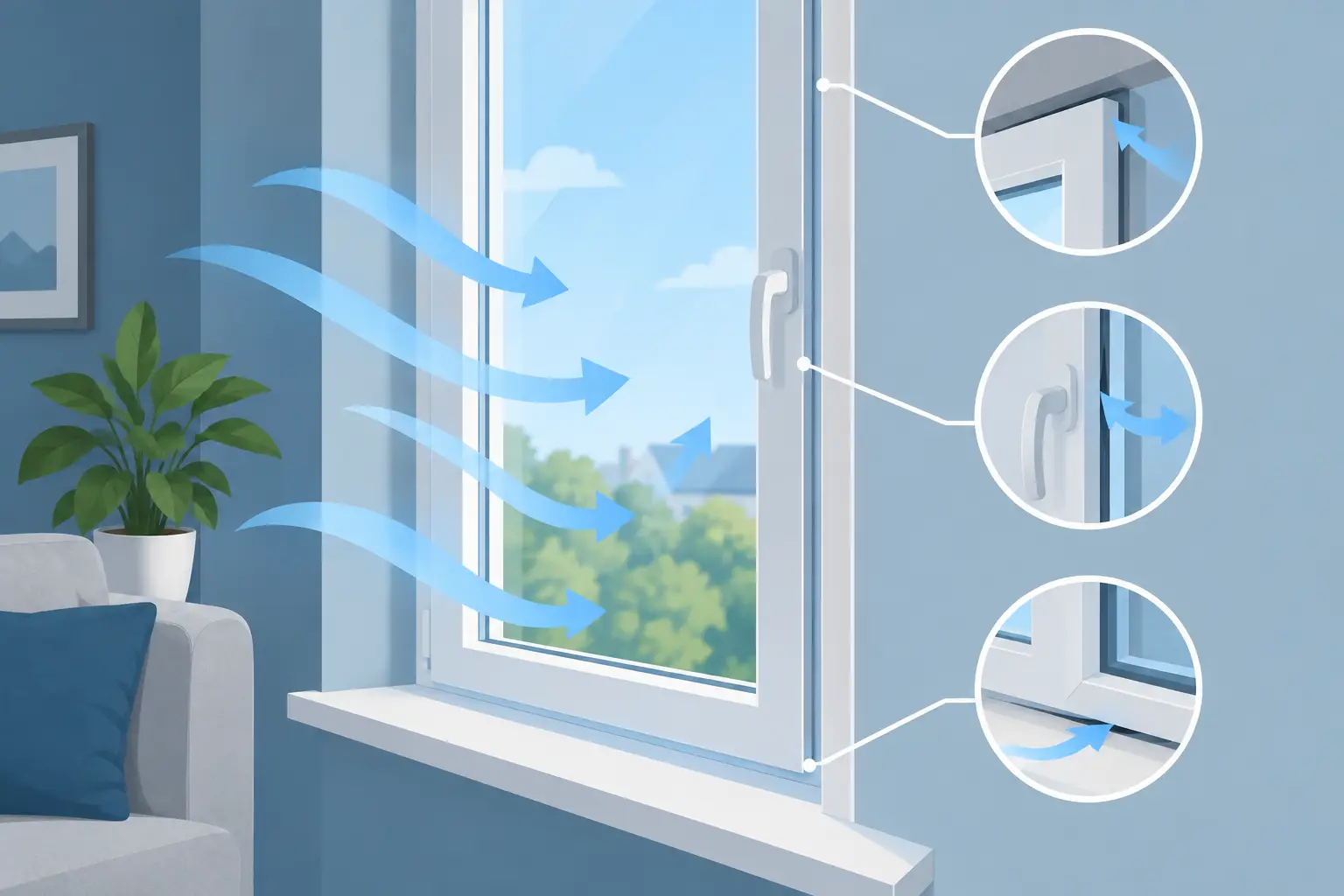
Ventilation should never be treated as an afterthought. Intake ventilation near the eaves and exhaust ventilation near the ridge help maintain airflow through the attic. Every home is different, so the correct approach depends on roof design, attic layout, insulation levels, and existing conditions. A qualified contractor can recommend a ventilation plan that supports the roofing system rather than creating new moisture concerns.
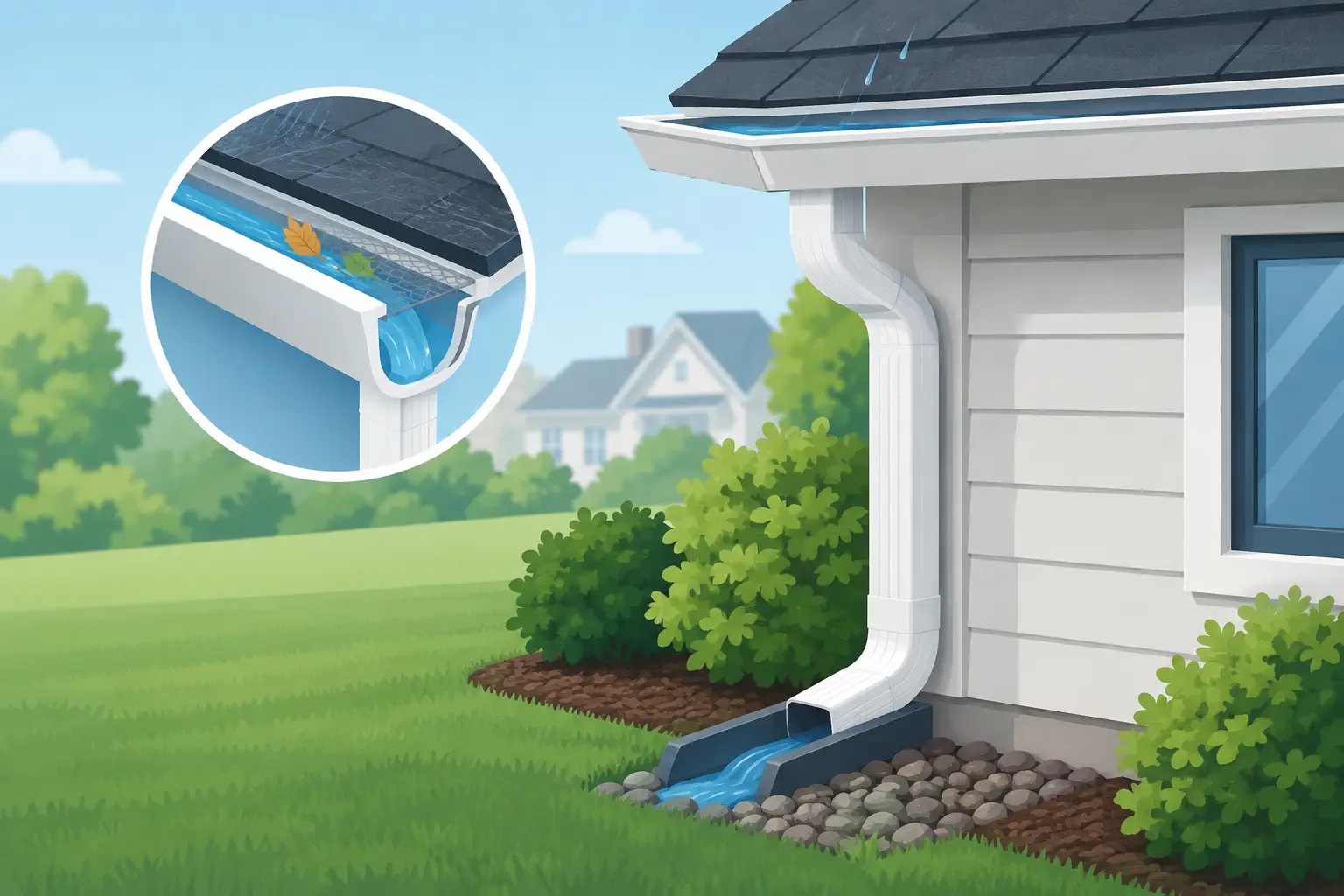
Gutters also deserve attention during a roof project. If gutters are bent, leaking, undersized, or pulling away from the fascia, replacing them at the same time can make sense. Coordinating exterior work can improve water management and prevent the need to disturb finished roofing components later.
Planning for Cost Without Cutting Corners
Roof replacement costs vary because no two homes have the same roof size, pitch, material needs, access conditions, and repair requirements. A simple one-story roof is generally less complex than a steep roof with multiple valleys, chimneys, dormers, skylights, or several rooflines.
The lowest estimate may leave out important details. It may not include full tear-off, proper underlayment, quality flashing, ventilation work, cleanup, disposal, or clear allowances for damaged decking. Comparing quotes line by line helps homeowners understand what they are actually receiving.
A fair quote should balance price with workmanship and material quality. Saving money by installing new shingles over deteriorating layers, skipping protective components, or accepting vague scope language can lead to higher costs later. Roof replacement is a major investment, and it should be built to protect the home for years, not simply improve its appearance for one season.
What to Expect During Roof Replacement
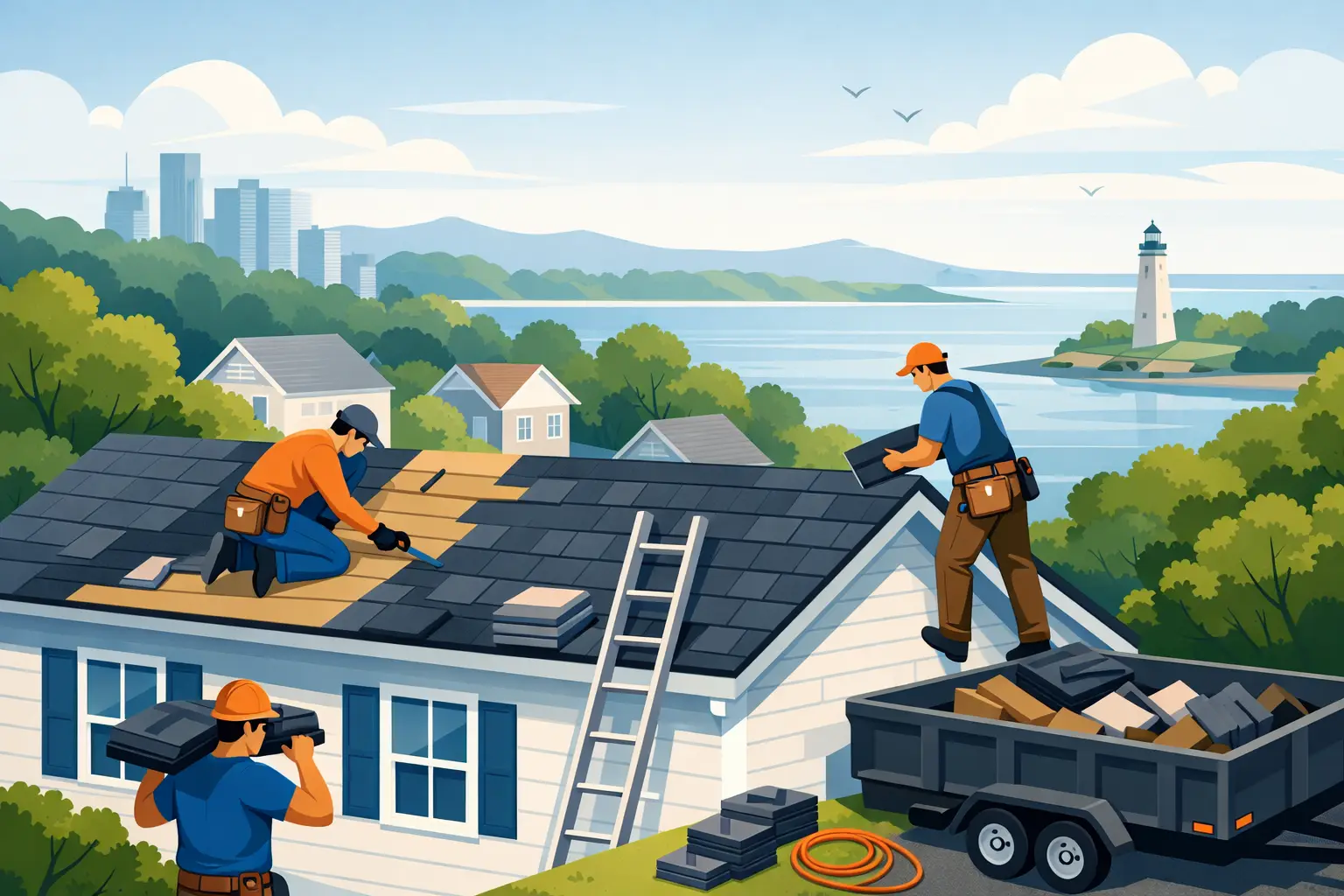
A professional crew should protect landscaping, siding, windows, and outdoor areas before work begins. Old roofing materials are removed, the deck is inspected, and any necessary repairs are addressed before the new system is installed. The timeline depends on weather and roof complexity, but many residential projects can be completed efficiently with proper planning and an experienced crew.
Roofing work is noisy, and there will be activity around the home throughout the installation. Homeowners should move vehicles away from the work area, secure patio furniture and fragile outdoor items, and keep children and pets safely away from the site. If you work from home, plan for a louder day than usual.
After installation, the crew should perform a thorough cleanup, including a magnetic sweep for nails around driveways, walkways, and landscaping. Before finalizing the project, review the completed work with the contractor and ask about material warranties, workmanship coverage, maintenance recommendations, and any care instructions for your new roof.
Hiring the Right Roofing Contractor
Choose a contractor based on more than a verbal promise or a low number. Look for a company with established local experience, professional installation crews, clear communication, proper insurance, and a detailed written estimate. Ask who will perform the work, how the property will be protected, and how unexpected deck repairs will be handled.
It is also helpful to choose a contractor who understands the broader exterior of the home. Roofing, gutters, siding, windows, and ventilation all affect how water and air move around the house. Siding Unlimited CT brings more than 20 years of exterior renovation experience to help homeowners make practical decisions that protect both their roof and their home.
A roof replacement should leave you with more than new shingles. It should give you confidence when the next heavy rain, winter storm, or windy day arrives. Start with a thorough inspection and a clear quote, then choose workmanship and materials that are built for Connecticut conditions.
Share this post