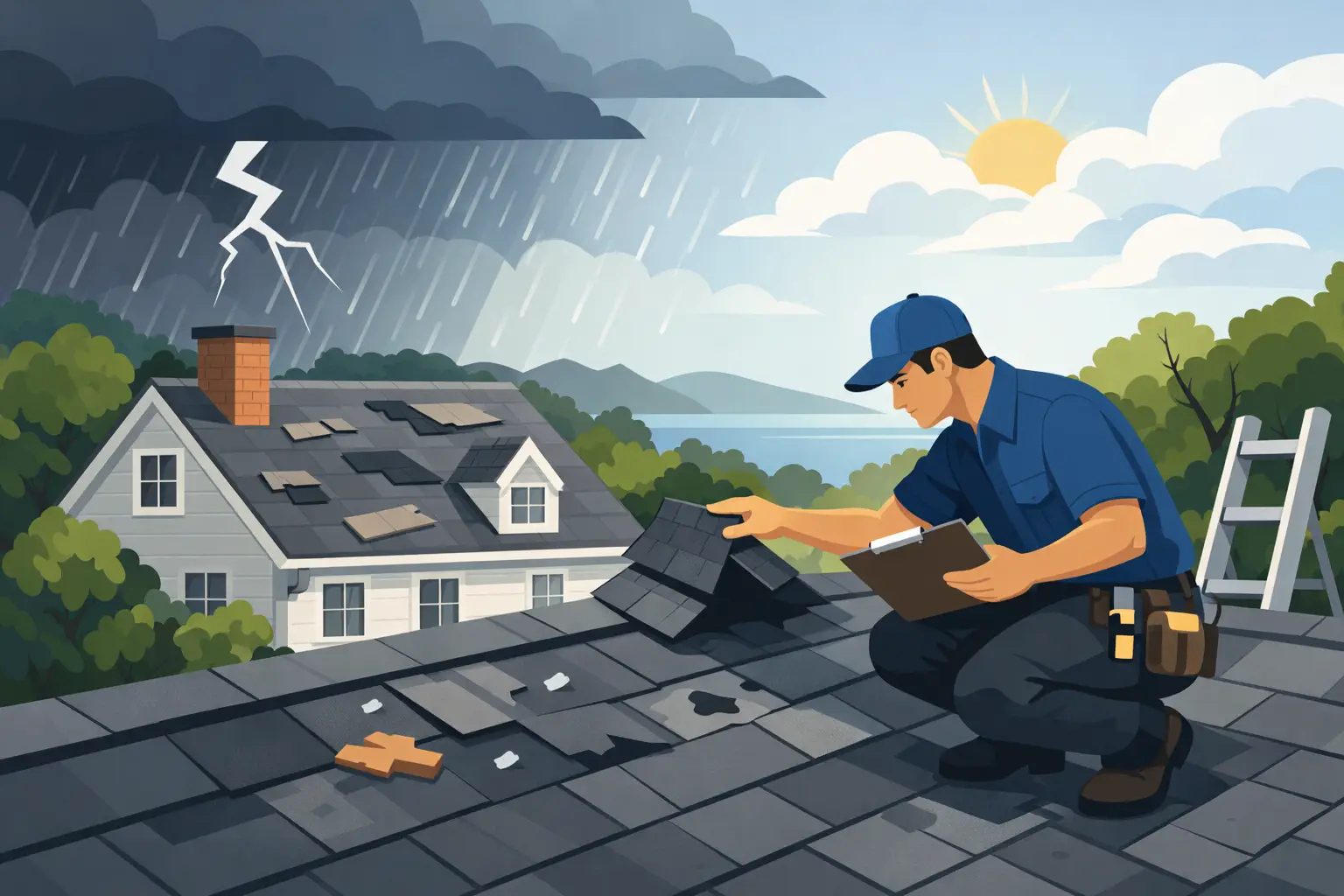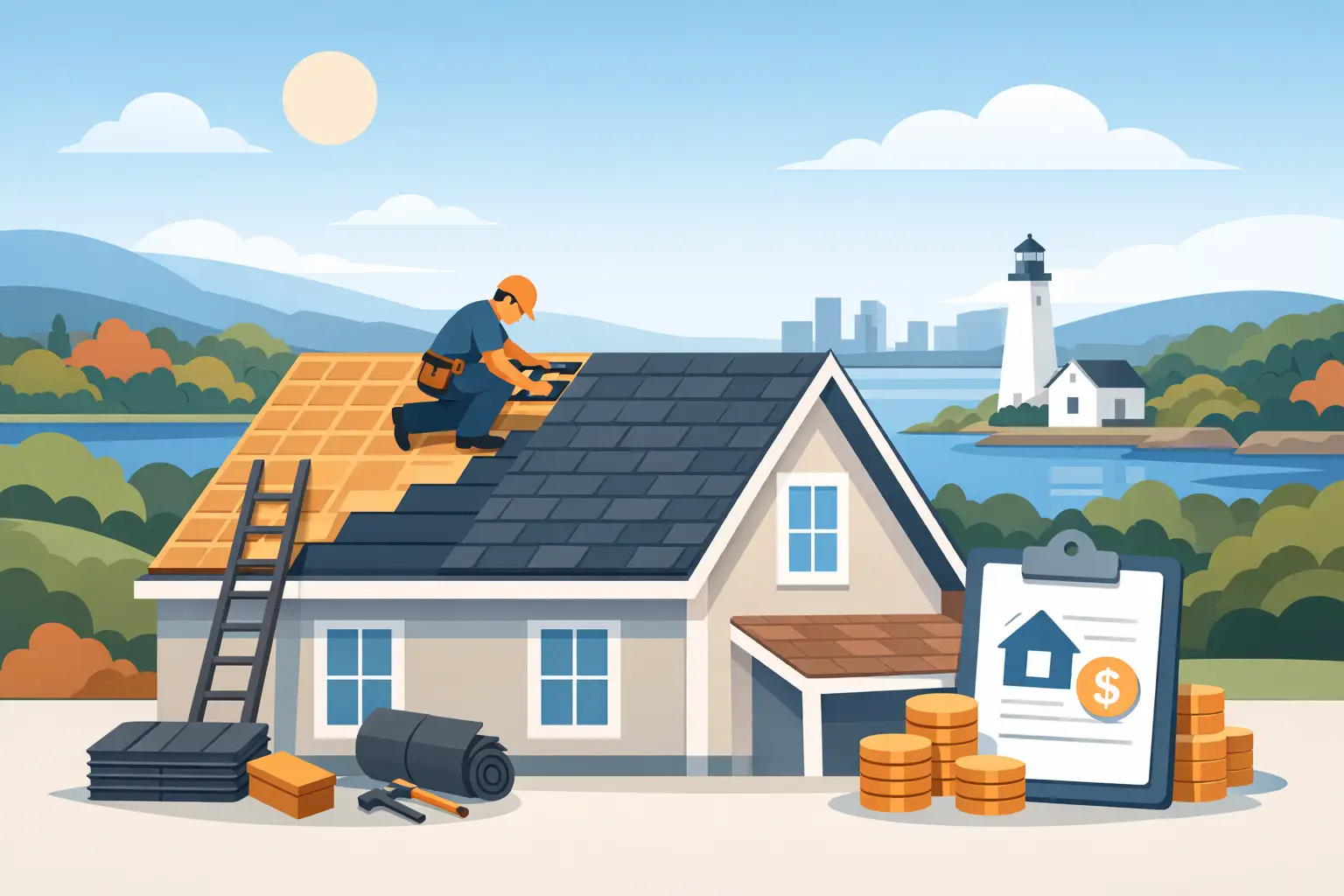
A roof can look fine from the driveway while problems build underneath. Missing granules, lifted shingles, soft decking, recurring leaks, and an aging roof system can all turn a planned project into an urgent one. Understanding the roof replacement cost for house projects helps Connecticut homeowners budget with confidence and choose work that protects their home for years.
The right number is not simply the lowest estimate. A dependable roof replacement accounts for the size and design of your home, the condition of the existing roof, the materials you choose, and the installation details that keep water where it belongs – outside.
What does roof replacement cost for a house?
For many Connecticut homes, a full asphalt shingle roof replacement may range from roughly $10,000 to $30,000 or more. Smaller, simple roofs with one layer of existing shingles generally fall closer to the lower end. Larger homes, steep rooflines, premium architectural shingles, extensive repairs, and complicated layouts can raise the investment significantly.
Metal, slate, cedar, and other specialty roofing systems have different pricing structures and can cost substantially more than asphalt shingles. They may offer a longer service life or a distinct appearance, but the best material depends on your budget, your home’s structure, neighborhood expectations, and how long you plan to stay in the property.
An in-person assessment is the only reliable way to price a roof accurately. Square footage matters, but roof area is not the same as your home’s interior square footage. Roof pitch, valleys, dormers, skylights, chimneys, and overhangs all affect the amount of material, labor, and time required.
The factors behind your roofing quote
A professional roofing estimate should reflect the full scope of the project, not just a per-square price. Here are the details that most often affect the final cost.
Roof size, slope, and layout
A larger roof needs more shingles, underlayment, flashing, fasteners, and labor. Steep roofs require added safety measures and take more time to install. A straightforward gable roof is usually less expensive to replace than a roof with multiple intersecting sections, low-slope areas, dormers, valleys, and penetrations.
Those details are not cosmetic from an installation standpoint. Valleys and flashing areas direct water away from vulnerable points, so they require careful workmanship. Saving money by overlooking these areas can lead to leaks and avoidable repairs later.
Existing roof layers and tear-off work
Most quality replacements begin with removing the existing roofing materials. Tear-off allows the installation crew to inspect the roof deck and correct hidden concerns before the new system goes on.
Some homes have more than one layer of shingles. Removing extra layers adds disposal and labor costs, but it also prevents unnecessary weight from remaining on the structure. It gives your contractor a clear view of the decking, edges, and flashing conditions.
Decking and structural repairs
A roof replacement can reveal deteriorated plywood or other roof deck damage caused by past leaks, trapped moisture, or age. Any soft, rotted, or damaged sections should be replaced before new roofing is installed. New shingles cannot solve a weak roof deck beneath them.
Because these issues are sometimes hidden until tear-off, reputable estimates may explain how unexpected decking repairs are handled. This is not a reason to avoid replacing an aging roof. It is a reason to choose a contractor who communicates clearly and documents the work.
Roofing materials and system components
Asphalt shingles remain a practical choice for many Connecticut homeowners because they offer dependable protection, a wide range of colors, and reasonable cost. Basic three-tab shingles may have a lower upfront price, while architectural shingles typically provide a thicker appearance and stronger curb appeal.
A roof is more than visible shingles. Underlayment, ice and water protection, starter strips, ridge caps, ventilation components, flashing, and fasteners all contribute to performance. In Connecticut, ice dams and wind-driven rain make these details especially important. A complete roofing system built with quality materials is a better investment than a low quote that leaves out critical protection.
Labor, access, and disposal
Professional labor is a major part of roof replacement cost for a house, and it should be. Proper installation requires trained crews, jobsite protection, safe material handling, clean tear-off procedures, and careful cleanup.
Limited access can also affect pricing. If a home has restricted driveway space, extensive landscaping near the roofline, or a difficult setup for equipment and debris removal, the crew may need additional time and planning. Disposal fees for old shingles and other materials are another necessary project cost.
Why Connecticut homes need the right roof system
Connecticut weather puts roofing materials through repeated stress. Winter snow and ice, spring rain, summer heat, humidity, and fall debris all test the roof’s ability to shed water and ventilate properly. A roof that was installed without attention to flashing, underlayment, or ventilation can develop problems long before its shingles appear worn out.
Ventilation is one example. A balanced attic ventilation system helps manage heat and moisture. It can support shingle performance, reduce the risk of moisture buildup, and help your home operate more efficiently. The right approach depends on the home’s attic configuration and existing intake and exhaust ventilation.
For homeowners planning to replace siding, gutters, or windows as well, coordinating exterior projects can be a smart way to protect the home envelope. Roofing should be installed with the full exterior in mind, especially where gutters, fascia, wall flashing, and roof edges meet.
How to compare roofing estimates fairly
A low price can be appealing, but it does not always represent the best value. Before choosing a contractor, make sure each estimate is describing the same work. One quote may include full tear-off, premium underlayment, flashing replacement, ventilation improvements, and cleanup, while another may only cover shingles.
Ask what materials are included, whether damaged decking is addressed, how the property will be protected during installation, and what cleanup is provided. You should also understand the workmanship warranty and the manufacturer warranty for the selected roofing materials.
The goal is not to pay for options you do not need. It is to avoid an incomplete scope that creates a higher cost later. A clear, detailed proposal makes it easier to compare contractors and make a sound decision.
When replacement makes more sense than repair
Roof repair is often the right answer for isolated damage, such as a few missing shingles, a minor flashing issue, or a leak around a single penetration. It can extend the life of a roof that is otherwise in good condition.
Replacement may be the better choice when repairs become frequent, shingles are curling or losing granules across broad areas, the roof is near the end of its expected service life, or leaks have caused underlying damage. Matching new shingles to an older roof can also be difficult, and repeated repairs can add up quickly.
A professional inspection provides the information needed to make that call. Homeowners should be cautious about deciding based on appearance alone. The condition of the decking, flashing, ventilation, and roofing layers matters as much as the shingles visible from the ground.
Plan your roofing project with confidence
The best time to request a roof replacement estimate is before an active leak forces a rushed decision. Look for warning signs after major storms, check your attic for stains or moisture, and pay attention to shingles in gutters or around the property. Addressing concerns early gives you more time to compare materials, schedule the project, and choose a contractor based on quality rather than urgency.
Siding Unlimited CT brings more than 20 years of exterior renovation experience to residential roofing projects, with professional crews focused on dependable workmanship, quality materials, and timely service. A detailed quote helps you understand what your home needs and what your investment covers.
Your roof protects everything below it. Choose a replacement plan that fits your home, addresses the details beneath the shingles, and gives your family confidence through every Connecticut season.
Share this post