A loose panel after a winter storm may look like a small exterior issue. In Connecticut, it can quickly become a moisture problem, an energy-loss problem, and eventually a more expensive repair. Professional siding repair and installation protect the structure beneath your home while restoring the clean, finished appearance that makes a property look well cared for.
For homeowners, the right answer is not always full replacement. A qualified contractor should first determine what has failed, how far the damage extends, and whether the existing siding can still provide dependable protection. The goal is straightforward: solve the problem correctly, use quality materials, and avoid paying for work your home does not need.
When Siding Repair Is the Right Choice
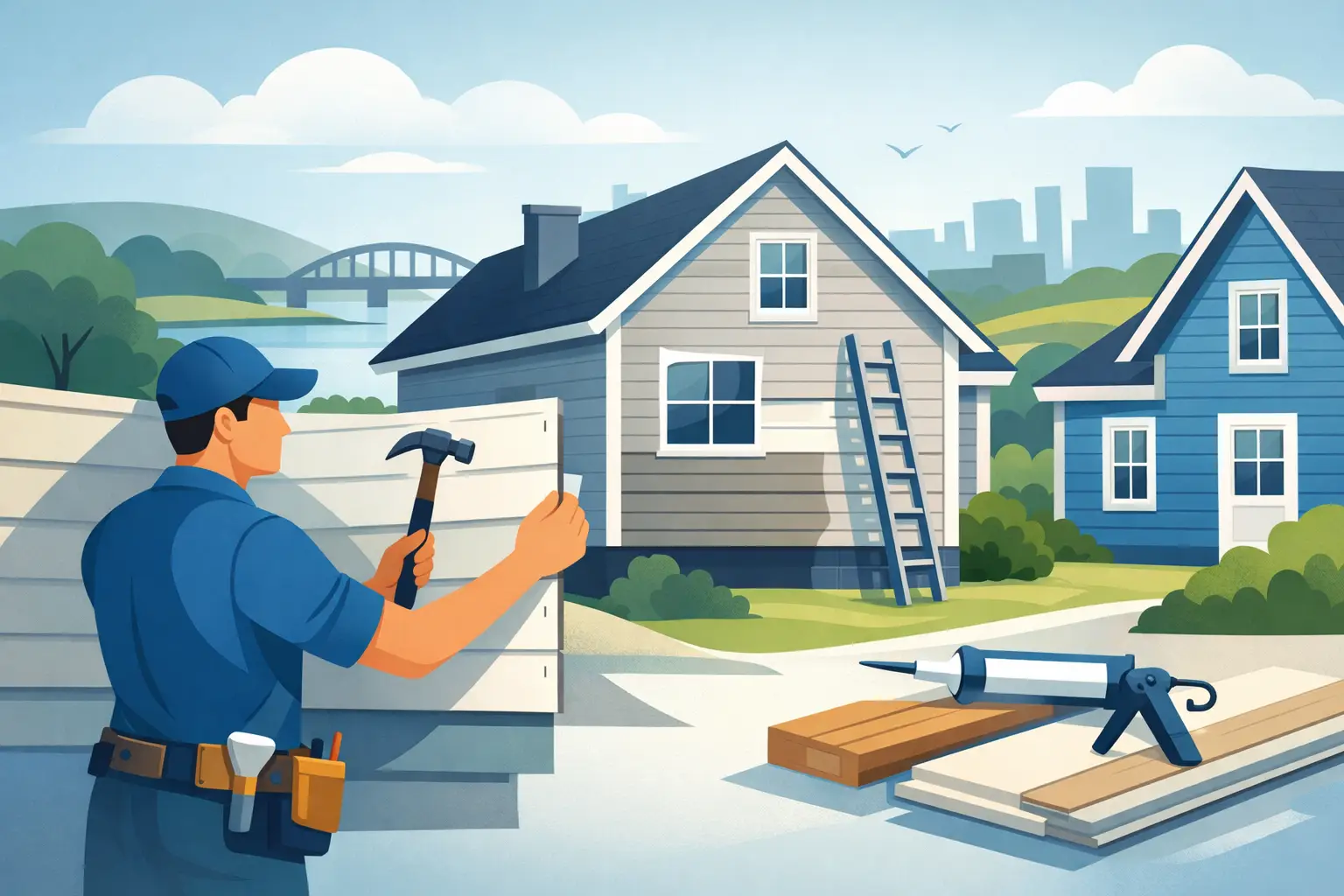
Siding repair is often a practical option when damage is contained to a limited area and the rest of the exterior remains in good condition. A cracked vinyl panel, a few loose pieces of trim, storm damage on one wall, or a small section affected by moisture may be repairable without replacing every side of the house.
The key is what is behind the visible damage. Siding is your home’s outer protective layer, but it works with house wrap, flashing, insulation, trim, and the wall structure. If wind-driven rain has reached the sheathing or framing, simply replacing the damaged panel is not enough. The affected area needs to be opened, inspected, dried, and repaired before new siding is installed.
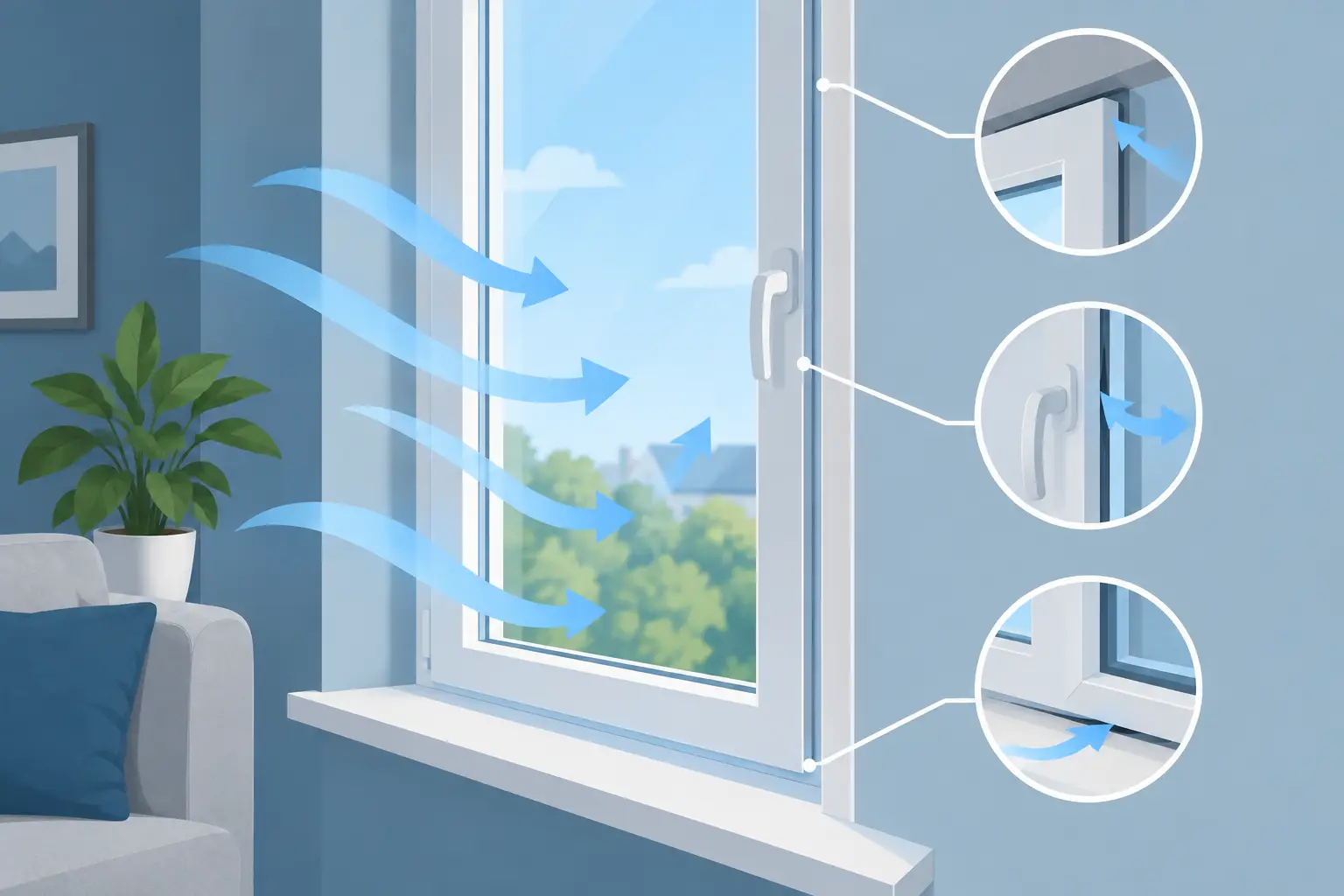
A professional inspection can also identify problems that look like siding damage but begin elsewhere. Overflowing gutters, missing roof flashing, failing window caulk, and improperly sealed exterior penetrations can all send water behind siding. Addressing the source prevents the same damage from returning after the repair is complete.
Repair makes the most sense when the siding style and color are still available or when a close match can be achieved. With older vinyl siding, color fading can make a new panel stand out. A skilled installer can advise whether a targeted repair will look acceptable or whether replacing a larger section will produce a better result.
Signs Your Home May Need New Siding
Full siding replacement is usually the better investment when damage is widespread, repairs have become frequent, or the siding no longer protects the home effectively. Connecticut weather puts exterior materials through repeated cycles of cold, heat, snow, rain, wind, and humidity. Over time, even quality siding reaches the point where patching is no longer the dependable option.
Watch for visible warping, buckling, cracks across multiple walls, loose or missing panels, peeling paint on wood siding, and recurring mold or mildew. Soft spots, swollen trim, or stains inside the home near exterior walls deserve prompt attention. These can point to water intrusion that has moved beyond the siding itself.
Higher heating and cooling bills can also be part of the picture. Old siding does not always cause energy loss on its own, but gaps, poor installation, damaged insulation, and compromised house wrap can allow air and moisture into the wall system. During replacement, a contractor has the opportunity to correct these conditions and improve the home’s exterior envelope.
Curb appeal matters too, especially if you plan to sell in the coming years. Faded, damaged, or dated siding can make an otherwise well-maintained home feel neglected. New siding gives homeowners a chance to update color, trim details, and overall style while making a practical improvement that supports long-term value.
What Quality Siding Installation Includes
A reliable siding project is more than attaching new panels to the outside of a house. Lasting performance depends on careful preparation, correct product installation, and attention to the details that keep water moving away from the home.
Inspection and Preparation
Before installation begins, the existing exterior should be evaluated for rot, damaged sheathing, pest issues, and moisture concerns. Any compromised material needs to be repaired before the new siding covers it. Skipping this step may save time at the start, but it can leave hidden damage in place and shorten the life of the project.
The installation team should also review windows, doors, rooflines, corners, vents, and exterior fixtures. These transition points require properly installed flashing and trim. They are where water problems most often begin when exterior work is rushed or handled without experience.
Water Management and Ventilation
House wrap, flashing, trim, and properly integrated gutters all work together with siding. Their purpose is to direct water outward rather than allow it to sit behind the exterior finish. This is especially important around windows and doors, where even a small installation mistake can create a path for water intrusion.
Ventilation may also need attention, depending on the home and siding material. The right approach helps control moisture and supports the long-term performance of the exterior wall system. A professional contractor will evaluate these details rather than treating siding as a stand-alone cosmetic upgrade.
Proper Fit for the Material
Vinyl siding needs room to expand and contract with temperature changes. Fiber cement, engineered wood, and other materials have their own fastening, spacing, and finishing requirements. Panels installed too tightly can buckle. Incorrect fasteners or poorly finished cuts can lead to premature wear, gaps, and water entry.
This is why certified installation crews and manufacturer-approved methods matter. Quality materials perform best when they are installed exactly as designed. The lowest quote is not always the best value if the work leaves you with repairs, leaks, or an exterior that does not hold up through Connecticut seasons.
Choosing a Siding Material for Your Home
There is no single siding material that is right for every homeowner. The best choice depends on your budget, the style of your home, maintenance preferences, and the level of durability you expect.
Vinyl siding remains a popular choice because it is cost-effective, low maintenance, and available in many colors and profiles. It can provide an attractive finished look without the ongoing painting needs of traditional wood. Product quality varies, however, and proper installation is essential to prevent waviness, gaps, and damage in high-wind conditions.
Fiber cement offers a durable, upscale appearance and can closely resemble painted wood. It is a strong option for homeowners who want a substantial exterior finish, but it typically requires a higher initial investment and should be installed by crews experienced with the material.
Engineered wood siding can deliver the warmth and character of wood while offering better resistance to common maintenance concerns than traditional wood products. It may be a good fit for certain architectural styles, though it still requires proper finishing and ongoing care.
Your contractor should explain the benefits and trade-offs clearly. Material selection should not be based only on a sample board or a price per square. It should account for your home’s condition, your plans for the property, and the quality of the full installation system.
Why Timing Matters for Siding Work
Waiting too long to address damaged siding can turn a manageable exterior repair into a larger wall repair. Water does not need a major opening to cause trouble. Small gaps around trim or a cracked panel can allow moisture behind the siding, where it may remain hidden until staining, rot, or interior damage appears.
Fast service does not mean rushed service. It means responding before the problem grows, providing a clear assessment, and scheduling the work with a professional crew that can complete it efficiently. A well-planned project protects your home with minimal disruption to your household.
If your siding concerns are connected to worn gutters, aging windows, roof damage, or deteriorating trim, coordinating the work can make sense. These exterior systems overlap, and handling them together can help ensure that flashing, trim, drainage, and finishes are properly integrated.
Get a Clear Plan for Your Exterior
Homeowners deserve more than a quick patch or a vague recommendation. They need an honest assessment of whether repair will provide lasting protection or whether replacement is the smarter value. Siding Unlimited CT brings more than 20 years of exterior renovation experience to projects throughout Connecticut, with professional crews focused on quality workmanship, dependable scheduling, and premium products.
A clear inspection and detailed quote can replace uncertainty with a practical plan for your home. Whether the need is a targeted repair or a complete exterior update, addressing siding concerns now helps protect the home your family depends on through every season.
Share this post