Sticker shock usually hits when homeowners price one window and assume every opening in the house will cost the same. It rarely works that way. Window replacement and installation cost depends on the size of the project, the condition of the existing openings, the style of window you choose, and the level of performance you want from the finished product.
For Connecticut homeowners, that matters for more than budgeting. Old or poorly installed windows can drive up heating and cooling costs, create drafts, and leave you dealing with moisture issues or premature wear. A well-planned window project improves comfort, energy efficiency, and curb appeal, but the final price can vary quite a bit from one home to the next.
What affects window replacement and installation cost?
The biggest factor is the type of window being installed. A standard double-hung replacement window is usually more affordable than a large picture window, bay window, or custom-shaped unit. Specialty styles often require more material, more labor, and sometimes structural adjustments, all of which raise the total cost.
Size also matters. Larger windows cost more simply because they use more glass and framing material, but they can also be heavier and more time-consuming to install. If your home has oversized openings or older custom dimensions, expect pricing to reflect that.
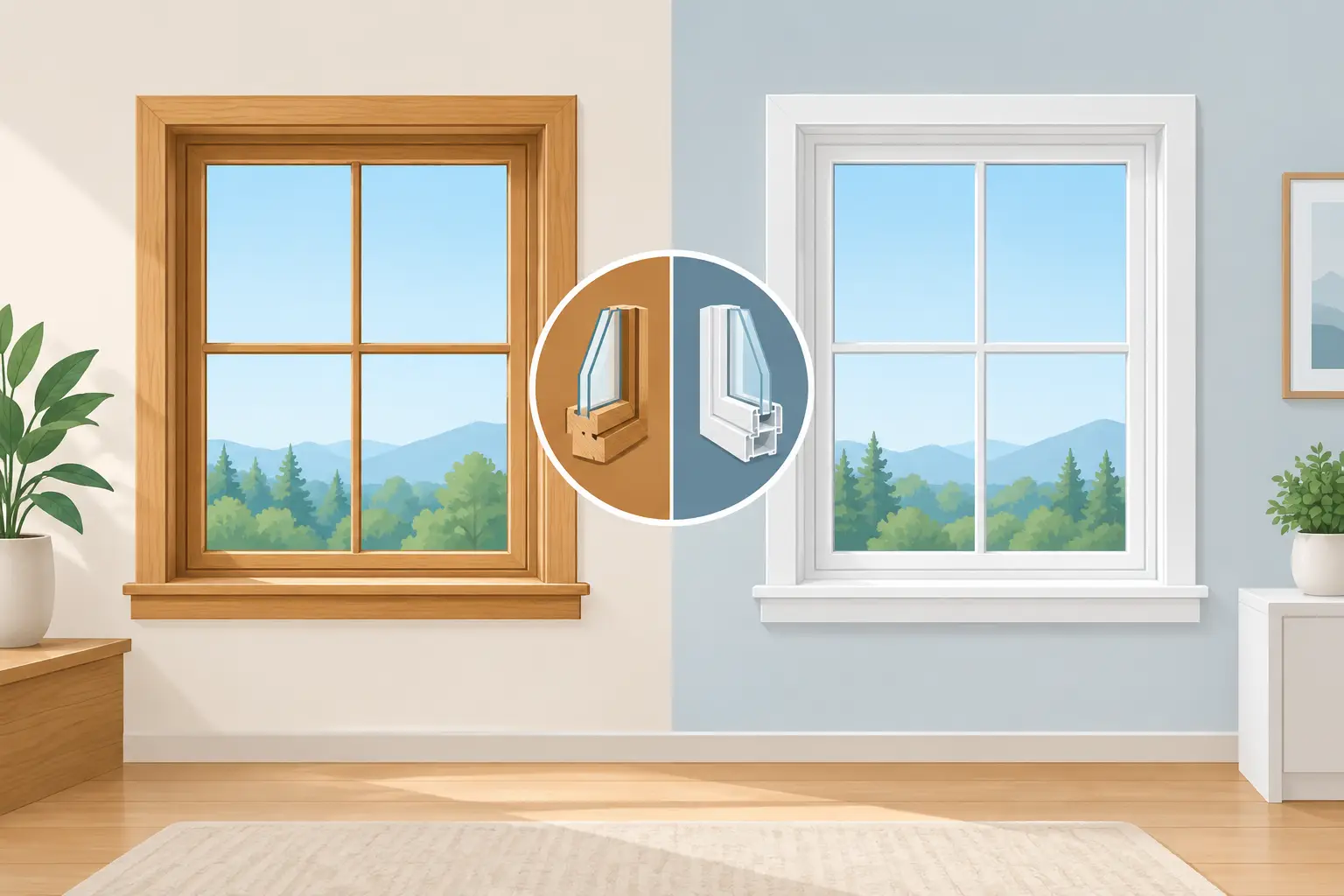
Material choice plays a major role too. Vinyl windows are often the most budget-friendly option and remain popular because they offer solid energy performance with relatively low maintenance. Wood windows have a classic look, but they generally cost more and require more upkeep. Composite and fiberglass options can offer excellent durability and efficiency, though they usually come at a higher upfront price.
Then there is the installation itself. If the existing frame is in good condition, a straightforward replacement is usually less expensive than a full-frame installation. But if there is water damage, rot, settling, or hidden structural wear around the opening, the work becomes more involved. That is where pricing can shift quickly.
Typical price ranges homeowners can expect
Most homeowners are looking for a realistic range, not a one-size-fits-all number. In general, a standard window replacement project may fall anywhere from a few hundred dollars per window to well over a thousand per window installed, depending on materials, design, and labor.
Basic vinyl replacement windows with simple installation are usually at the lower end of the range. Mid-tier windows with stronger energy efficiency features, upgraded glass packages, or more detailed trim work tend to land in the middle. Premium products, custom sizes, and more complex installations push pricing higher.
For a whole-house project, the total can add up fast, but the cost per window may become more favorable when multiple units are replaced at the same time. Crews can work more efficiently, product ordering is more consistent, and homeowners often get better overall value by addressing the project in one phase rather than replacing windows one at a time over several years.
Why installation quality matters as much as the window itself
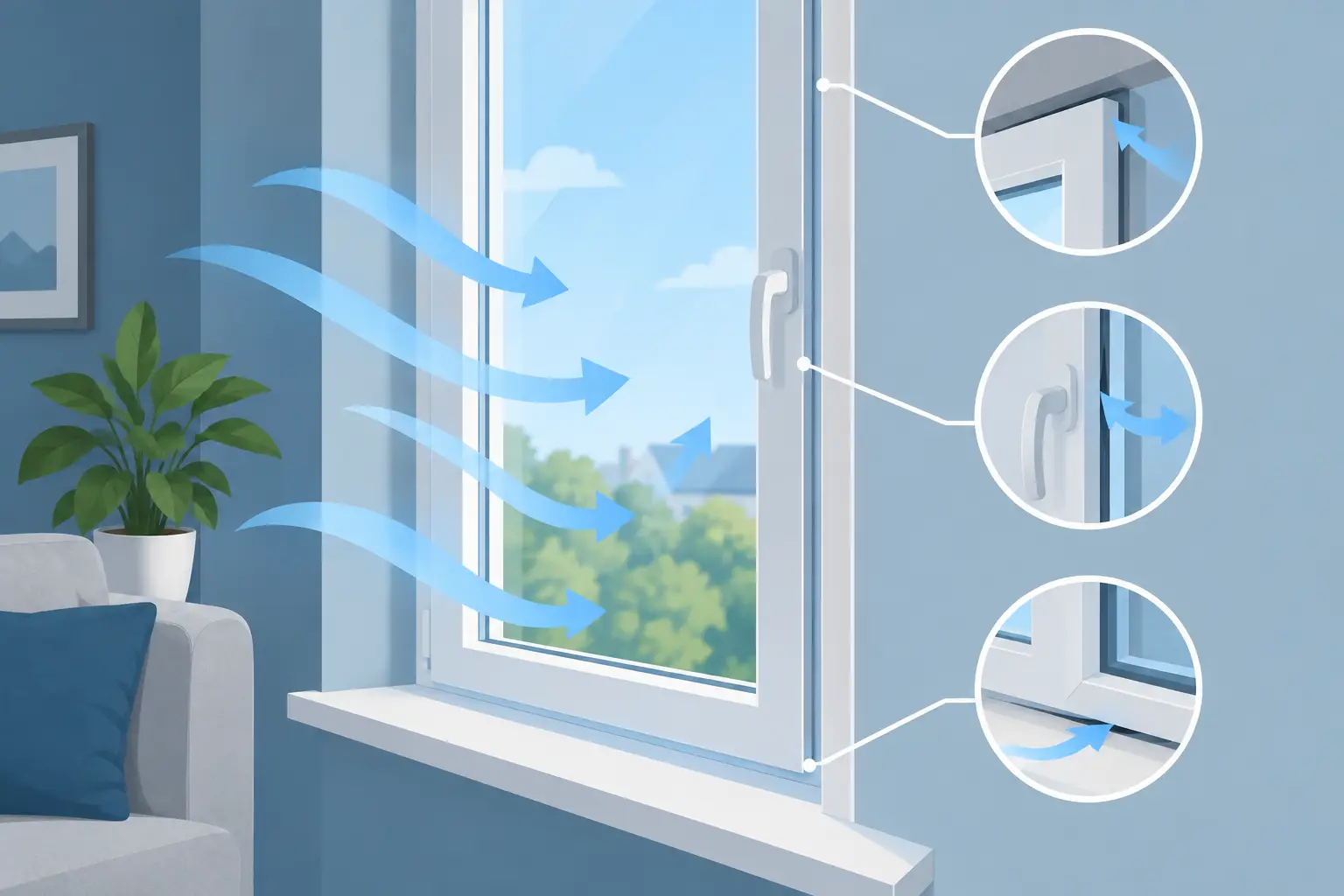
Homeowners sometimes compare prices based only on the product and miss the bigger issue. A high-quality window installed poorly can still lead to drafts, leaks, and disappointing performance. Proper fit, sealing, insulation, and finishing are what allow the window to do its job.
That is why labor is not just a line item. Certified, experienced installers know how to deal with older homes, uneven openings, hidden damage, and the small details that affect long-term durability. A lower quote may look attractive at first, but if it cuts corners on installation standards, it can become the more expensive option over time.
In Connecticut, where homes deal with cold winters, humid summers, and plenty of seasonal weather changes, installation quality has a direct impact on energy savings and comfort. A tight, professionally finished installation helps reduce air leakage and supports the performance ratings the window was designed to deliver.
Replacement insert vs. full-frame installation
This is one of the most important pricing differences in any estimate.
An insert replacement fits a new window into the existing frame. It is typically faster, less invasive, and more affordable when the original frame is still in solid condition. For many homes, this is a practical option that delivers a strong improvement without requiring major reconstruction.
A full-frame replacement removes the entire existing window assembly down to the rough opening. This allows the installer to inspect the surrounding structure, repair damage if needed, and install a completely new unit. It costs more because there is more labor and often more finish work involved, but it may be the better long-term solution when the original frame is deteriorated or outdated.
If a contractor recommends full-frame replacement, it is usually because there is a good reason. The right approach depends on the condition of the home, not just the lowest possible price.
Window features that can increase the cost
Energy-efficient glass packages are one of the most common upgrades. Double-pane glass is standard in many replacement windows, but options like low-E coatings, gas fills, and triple-pane construction can improve insulation and indoor comfort. These upgrades increase upfront cost, but they can also reduce energy loss and help the home feel more consistent year-round.
Grids, custom colors, upgraded hardware, and interior or exterior trim details can also raise the price. These features are often worth considering if appearance matters, especially in a front-facing elevation or a home with a more defined architectural style.
Tempered glass, sound-reducing glass, and egress-compliant bedroom windows may also affect cost depending on where the unit is being installed. The more specialized the requirement, the more likely the price will move upward.
How home condition changes the final quote
Older homes often come with surprises. Once an old window is removed, installers may find water infiltration, rotted wood, insulation gaps, or framing issues that were not fully visible from the outside. These repairs are sometimes minor, but they can add labor and material cost.
Accessibility matters too. First-floor windows are generally simpler to replace than second- or third-story units. Homes with difficult access, steep grades, or landscaping that limits work space may require more setup time and safety planning.
The age of the exterior can also affect the process. If trim, siding, or surrounding materials are fragile or already worn, extra care is needed during removal and finishing. That does not always mean the project becomes expensive, but it is one reason accurate quotes require an on-site assessment.
Is a higher window replacement and installation cost worth it?
Sometimes yes, sometimes no. It depends on what you are paying for.
A higher price makes sense when it reflects better product quality, stronger warranties, more efficient glass, or a more complete installation process. It may also make sense if the contractor is accounting for hidden conditions instead of ignoring them to win the bid.
On the other hand, the most expensive option is not automatically the best value. Some homeowners do not need premium features in every room. A practical, energy-efficient vinyl window installed correctly can be the right fit for many homes. The goal is to match the product and scope of work to the home, the budget, and the homeowner’s priorities.
How to compare estimates the right way
The best way to compare quotes is to look beyond the bottom-line number. Ask what type of installation is included, what materials are being used, what warranty coverage applies, and whether trim, insulation, cleanup, and disposal are part of the price.
It is also worth asking whether the quote includes any repair allowance for damaged framing or if that would be billed separately if discovered during removal. Clear communication upfront helps avoid surprises later.
A dependable contractor should be able to explain the estimate in plain terms. Homeowners should know what they are getting, why it costs what it costs, and how the work will protect the home over time.
Choosing value over shortcuts
Window projects are not just about replacing glass. They are about improving how the home performs. Lower utility bills, better comfort, cleaner curb appeal, and fewer maintenance issues all start with choosing the right product and the right installer.
That is why many homeowners work with experienced local contractors who understand regional weather, older housing stock, and the importance of reliable scheduling and workmanship. Companies such as Siding Unlimited CT focus on delivering high-quality exterior improvements with professional installation crews and practical pricing, which is exactly what most homeowners are looking for when they invest in replacement windows.
If you are planning a project, the smartest next step is not chasing the cheapest number. It is getting a detailed quote based on your home, your window openings, and your long-term goals. A fair price backed by quality installation usually pays off where it matters most – comfort, efficiency, and peace of mind.
Share this post